


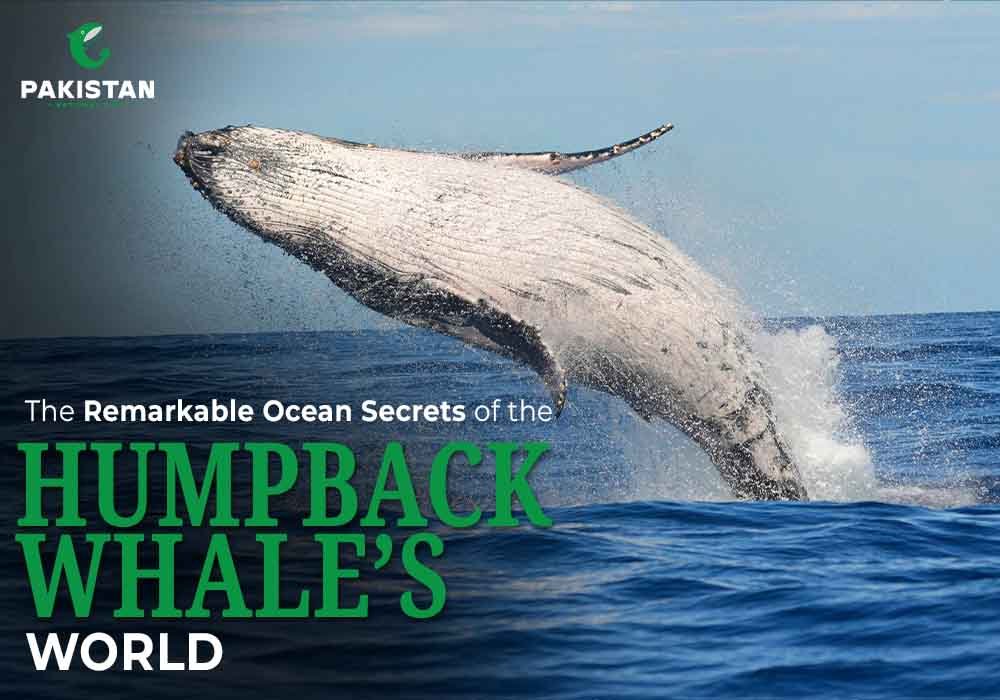
There’s something unforgettable about seeing a whale rise through the water. Even from a distance, its size, calmness, and slow confidence make you pause. Many people only know these whales from pictures, but their world is far more detailed.
It is full of hidden habits, long journeys, deep communication, and surprising strength. Understanding how they eat, travel, grow, and survive reveals an ocean life that most never get the chance to explore.
The Hidden World That Shapes Every Humpback Whale Journey
Life of the Humpback Whale in the Ocean
- Long Journeys and Diet: Humpback whales swim long distances every year. Their whale diet includes krill and small fish. The whale lifespan is about 80–90 years, so they make these trips many times.
- Clever Bubble Net Feeding: They catch fish using bubble net feeding. They blow bubbles in a circle to trap the fish, then swim through the middle to eat. This is a big part of the humpback whale diet.
- Size and Strength: Adult humpbacks can be 40–50 feet in length. Their humpback weight is 25–40 tons. On a size of whales chart, they are smaller than blue whales but bigger than most other baleen whales. Their length, size, and weight help them swim and hunt.
- Helping the Ocean: Humpbacks move nutrients across the ocean. This helps small fish and other creatures survive. Their size and humpback weight are important for the ecosystem.
- Songs and Communication: They communicate with songs underwater. The songs travel kilometers and help them stay together, warn of danger, and feed using bubble net techniques.
Amazing Bubble Net Feeding Skills
What Humpback Whales Eat to Stay Powerful
Characteristics That Impact A Whale’s Swimming Speed
- Humpback whales are really big. Their length and size help them glide, but their humpback weight makes it harder to start moving quickly.
- Their bodies are shaped to slip through water easily. This helps them swim far without getting tired.
- Long pectoral fins help them turn and stay balanced. This is useful when they do bubble net feeding.
- Eating enough is important. The humpback whale diet gives them energy to swim long distances.
- Their weight is spread along the body. This keeps them steady when moving.
- Older whales learn how to swim smarter. Their humpback whale lifespan of 80–90 years gives them plenty of time to practice.
Fastest Baleen Whales and Their Surprising Speed
Ocean Sprinters: The Quickest Toothed Whales
What Makes Humpback Whales Strong and Fast
- Humpback whales are very big. Their length and size help them move in water, and their humpback weight keeps them steady.
- They eat krill, small fish, and plankton. A humpback whale diet like this gives them energy for long swims.
- They live a long time. A humpback whale lifespan of 80–90 years gives them lots of practice swimming efficiently.
- Bubble net feeding lets them catch fish without wasting too much energy.
- Their fins and body shape make turning and balancing easier in water.
- On a size of whales chart, you can see how their length, size, and weight make them strong swimmers.
Humpback Whales Are True Ocean Giants
Humpback whales are big and strong. Their length and size help them move far in the ocean. Their humpback weight keeps them steady in strong water currents. They eat krill, small fish, and plankton to stay full of energy. Bubble net feeding lets them catch food without wasting too much effort. Over a humpback whale lifespan of 80–90 years, they get better at swimming and hunting. Looking at a size of whales chart, you can see their size and weight make them one of the strongest animals in the sea.

