


If you’ve ever sat by a quiet lake or watched fish swimming in a pond, you’ve probably wondered what you were actually looking at. And if you’ve heard people casually use different names, it can get confusing fast, especially when it comes to sunfish vs perch. Many people use these terms interchangeably, even though they’re not the same.
The good news is, you don’t need a science degree to understand the difference. Once you learn a few simple things, it all starts to feel natural. Let’s walk through it together in a relaxed, easy-to-follow way.
Getting Comfortable with the Perch Family
Let’s start with perch. The perch family is a group of freshwater fish that are very common in North America. If you’ve always deceased fishing, or even discuss to someone who has, you’ve credibly heard about perch.
They’re popular because they’re active, fairly easy to catch, and great for beginners. There’s always a bit of pride when someone catches a perch big enough to take home and cook.
Perch usually live in lakes with cooler water and tend to move in small groups. They play a crucial part in the ecosystem by providing food for insects and smaller fish, serving to keep holdings poised underwater.
What Does Perch Fish Look Like?
If you’re fresh to all this, you might be inquisitive, what does perch fish look like?
Think of a fish that’s slightly long and smooth, not too wide, with a clean, simple shape. Most perch have a greenish or yellow tone with dark vertical stripes along their body.
They also have a slightly spiny fin along their back. It might look sharp, but it’s completely normal and nothing to worry about.
Once you’ve seen a perch, you’ll start recognizing them pretty easily.
Do Yellow Perch Have Teeth?
Here’s something people often ask with a bit of surprise: Do yellow perch have teeth?
Yes, they do, but they’re tiny. You probably wouldn’t even notice them unless you were really looking closely.
These tiny teeth help perch their food, like insects or small fish. It’s just a concern about how they endure in the chaos. There’s nothing unsafe about them for humans, so no need to worry.
Is Perch a Bottom Feeder?
Another question that comes up a lot is: Is perch a bottom feeder?
The answer is, it depends. Perch do pass time close to the bottom, particularly when they’re eating on insects or larvae. But they don’t dictate there all the time.
They’re really rather supple and will swim higher up in the water to haul small fish if they acquire the opportunity. So, instead of reasoning about them as rigorous bottom feeders, it’s finer to see them as adjustable feeders.
Now Let’s Talk About Sunfish
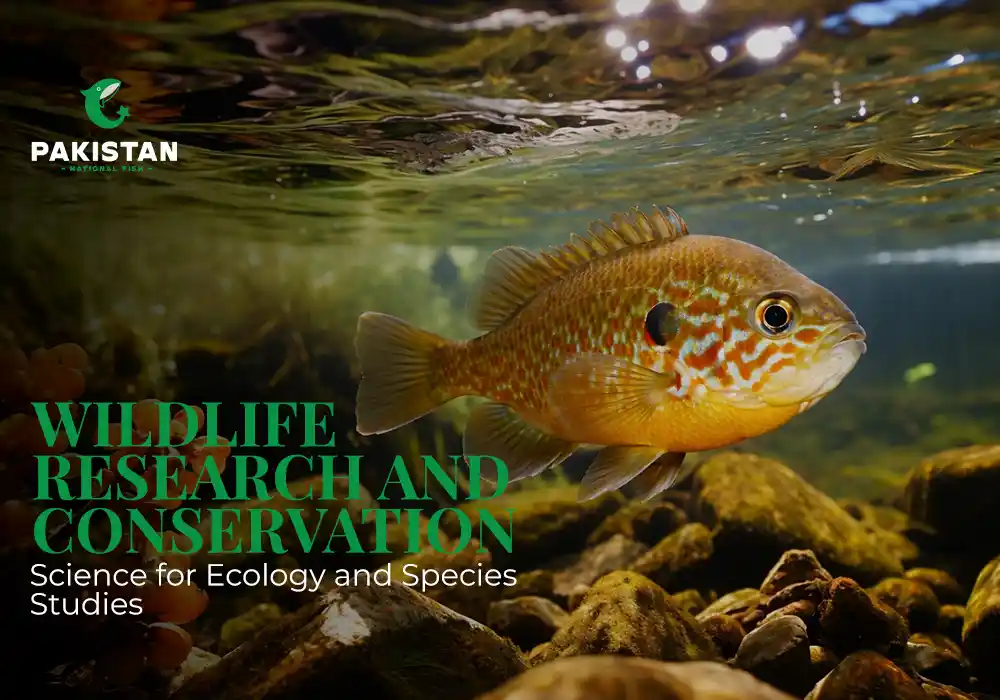
Sunfish are where things start to feel a little mixed up. These are the fish you’ll often find in calm waters, especially in pond sunfish settings.
They’re normally smaller and have a libertine, blandish form compared to perch. In fact, some people utter that they look merely like a plate.
Sunfish are also famed for their gleaming colors, which can conceive shades of blue, orange, or green. They’re cushy to point and are frequently the initial fish kids haul when they go fishing.
You might also perceive people call them sun perch fish, which is where the disarray genuinely starts.
Why Do People Call Sunfish Perch?
This is one of those things that makes people pause and ask, Why do people call sunfish perch?
The reply is pretty simple, it’s just an attire that perplexed over time. People started using the name “perch” for fish that looked somewhat similar, even if they weren’t actually perch.
Over the years, the name became part of everyday language, even though it’s not scientifically correct.
That’s why conversations about sunfish vs perch can feel a bit confusing. It’s not you, it’s just the way the names have been used for generations.
Sunfish vs Perch: Keeping It Simple
Let’s reorder this, which is genuinely simple to remember. When you’re trying to shape out sunfish vs perch, just look for a few important variations:
- Perch consists of a long and slim structure
- Sunfish have a flat and round body
- Perch is the pure perch family
- Sunfish are entirely from another group
- Sunfish have brighter and more noticeable colors
Once you observe this small information, telling them apart becomes much easier, even if you’re just glancing at the water.
Why Can’t You Touch Sunfish?
You might have heard someone say, Why can’t you touch sunfish?
It’s not that you can’t touch them, it’s just better to be gentle and careful. Sunfish have a thin protective layer on their skin that helps keep them healthy.
If that layer gets damaged, it can make them more vulnerable to disease. So if you ever handle one, it’s best to do it quickly and carefully, especially if you plan to release it.
The Role of Pond Sunfish in Nature
Even though they’re small, pond sunfish play a big role in freshwater ecosystems.
They help control insect populations, which keeps ponds from becoming overcrowded with bugs. They also serve as food for larger fish, birds, and other animals.
Because they reproduce quickly, they’re often one of the first species introduced into new ponds. When you see sunfish, it’s usually a good sign that the water is healthy.
What Is Opal Eye Perch?
You might have heard the name opal eye perch, and it may be confusing.
This is one of those casual names people use, settled on the visual aspect instead of science. It doesn’t forever refer to a genuine perch but is frequently used for fish with glossy or conspicuous characteristics.
It’s a bang-up illustration of how routine language can be assorted from scientific naming, and why it’s assistive to realize both.
Why Correct Identification Matters
At first, a combination of fish names might not appear like a galactic deal. But when it comes to wildlife exploration and betterment, it genuinely matters.
Perplexing sun perch fish with genuine perch can lead to misunderstandings about where fish are active, how many there are, and what they want to endure.
Scientists trust in true information to defend ecosystems. Even little mix-ups can lead to larger difficulties over time.
Looking at the Bigger Picture
Both perch and sunfish are crucial in their own way.
Perch control the numbers of littler fish, while sunfish aid insect numbers in sorting and render food for larger animals. Jointly, they help hold equilibrium in lakes and ponds.
Taking care of these fish involves paying attention to their situation, keeping the water fresh, preventing overfishing, and respecting nature.
Final Thoughts
At the end, knowing the variation between these fish doesn’t have to feel complex. Once you get acquainted with the facts of sunfish vs perch, everything starts to feel more exact.
They may appear akin at first, but each has its own role and standing in the earthly world. And the more you discover this information, the more gratifying your time near lakes and ponds becomes.
Future time you’re close to the water, take a moment to look a little closer, you might be astonished by how much you presently understand.

