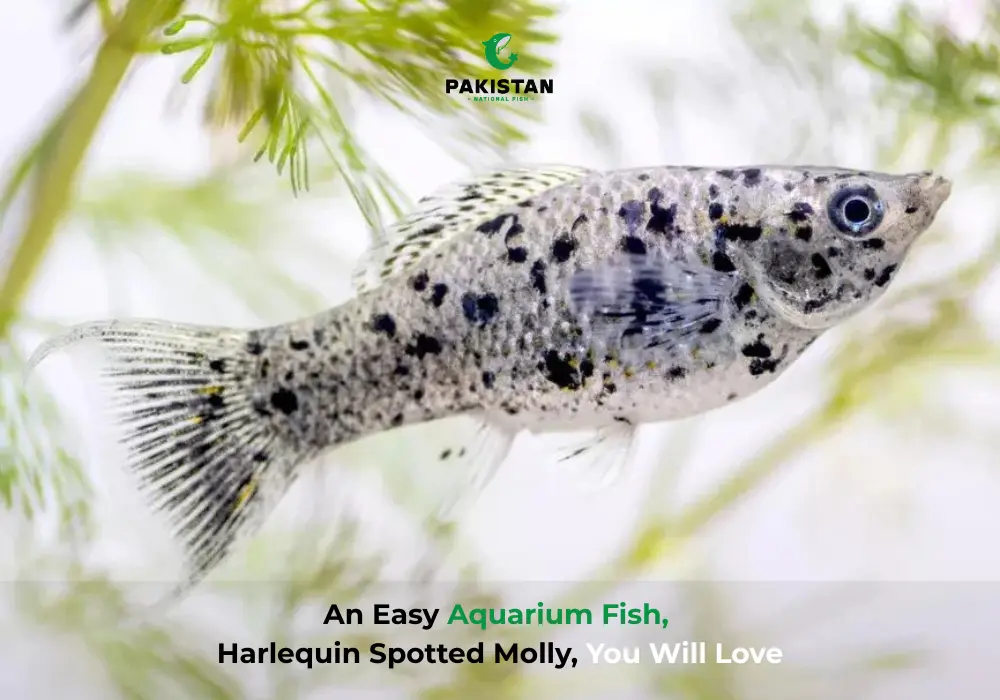
An Easy Aquarium Fish, Harlequin Spotted Molly, You Will Love
Pet Molly fish are one of those aquarium fish that gradually win people over. They don’t desire too much, they don’t act assertively, and they bring a smooth, comforting movement to any tank. The harlequin speckled molly, in specific, is adored for its exclusive pattern and placid nature. If you’ve ever watched a group of them glide through water, you’ll know it feels oddly relaxing, almost like they’re just enjoying life without any stress at all.
This guide is written in a simple, practical way so you can actually understand what it’s like to keep them at home, even if you’re a complete beginner.
What is a Molly Fish?
A molly fish is a small freshwater fish that belongs to the livebearer family. That just means something simple: they don’t lay eggs, they give birth to tiny live babies.
A common molly is the most basic type you’ll usually see in pet shops. It may look simple, but it’s actually the foundation of many beautiful aquarium varieties.
What makes mollies special is how easy-going they are. They don’t stress easily, they don’t fight much, and they adjust to home aquariums pretty well.
Why Pet Molly Fish Are So Popular
People love pet Molly fish for a few very simple reasons:
- They are easy to care for
- They are peaceful in the community tanks
- They come in many beautiful colors
- They are active but not chaotic
They’re the kind of fish that make your aquarium feel “alive” without creating trouble.
Molly Fish Colors That Make Tanks Beautiful
One of the most enjoyable things about mollies is their variety of colors. Every tank looks a little different depending on the type you choose.
Some common molly fish colors include:
- Gold molly – bright, warm, and easy to notice
- Blue molly fish – soft, calming shades that look beautiful in planted tanks
- White molly – clean and elegant, often standing out in darker setups
- Spotted varieties like harlequin mollies
Each color brings its own personality to the aquarium, which is why many people end up keeping more than one type.
The Gentle Nature of Common Molly
The common molly is probably the easiest fish you can start with if you’re new to aquariums.
They are:
- Peaceful with other fish
- Active swimmers
- Easy to feed
- Very adaptable
They don’t usually create problems in community tanks, which makes them perfect for beginners who just want something simple and enjoyable.
Caring for an Common Molly (Without Stressing About It)
Taking care of mollies is not complicated. In fact, once your tank is set up properly, most of the care becomes routine.
Tank Setup
They enjoy:
- Clean water
- Plants or decorations to explore
- Enough swimming space
They don’t like cramped tanks, so giving them space makes a big difference in their behavior.
Water Conditions
Mollies prefer stable water conditions. You don’t need anything extreme—just consistency.
Feeding Routine
The best fish food for mollies includes:
- Flake food
- Small pellets
- Algae-based food
- Occasional frozen treats
They especially enjoy plant-based food, which keeps them active and healthy.
Small Molly Fish – Perfect for Beginners
A small Molly is usually what you bring home from a pet store. They are young, active, and still growing.
They are great for beginners because:
- They adapt easily
- They grow slowly and steadily
- They are easier to manage
- You get to watch them develop over time
Seeing a small molly grow into a colorful adult is actually one of the fun parts of fish keeping.
Do Molly Fish Lay Eggs?
This surprises many beginners.
Mollies do NOT lay eggs.
On the other hand, they are livebearers, which means they give birth to tiny baby fish that are previously diving.
The method feels just about magical when you observe it for the first time. A female carries the babies inside her body, and after some time, small fish appear in the tank ready to swim.
How to Tell if Mollies are Male or Female
This is easier than it sounds once you know what to look for.
- Males are slimmer and smaller
- Females are rounder and larger
- Males have a pointed fin near their tail
- Females have a more rounded fin shape
After a while, you’ll be able to tell just by looking quickly.
How Many Mollies Should Be Kept Together?
This is an important one because mollies are social fish.
A comfortable group is:
- At least 4–6 mollies together
- A mix of males and females
- Enough space to swim freely
They feel more comfortable in groups. If maintained alone, they may become dormant and feeble over time.
Different Types of Molly Fish You Might See
There are many beautiful assortments, each with its own fascination.
Gold Molly
Bright, upbeat, and very famous in home aquariums.
Blue Molly Fish
Soft blue shades that express calm and sophisticated.
White Molly
Clean and simple appearance that fits well in any tank design.
Even though they look different, their care needs are almost the same.
Feeding Tips That Actually Help
Feeding mollies is simple, but doing it right makes a big difference.
The best fish food for mollies usually includes a balance of:
- Plant-based flakes
- Algae wafers
- Occasional protein treats
A small amount twice a day is usually enough. Overfeeding is more harmful than underfeeding.
Tank Mates That Get Along With Mollies
Mollies are peaceful, so they mix well with many fish.
Good companions include:
- Guppies
- Platies
- Swordtails
- Small tetras
Avoid aggressive fish because mollies are gentle and can get stressed easily.
Why People Enjoy Keeping Pet Molly Fish
There’s something simple and calming about them.
They don’t demand attention. They don’t create stress. They just dive around calmly, adding progress and color to your space.
That’s why pet molly fish are often recommended for beginners—they make fish keeping feel easy and enjoyable.
FAQ Section
A molly fish is a placid freshwater fish that gives birth to live babies in-spite of laying eggs.
Final Thoughts
Maintaining pet Molly fish is one of the cosiest and most relishing ways to start aquarium fish retaining. They are calm, colorful, and full of energy without being difficult to manage.
Whether you choose a common molly, a bright gold molly, a calm blue molly fish, or a simple white molly, each one brings something special to your tank.
With basic care, good food, and a friendly group, mollies don’t just survive, they thrive. And watching them swim together every day becomes one of those small, calming joys you didn’t expect but end up loving.