


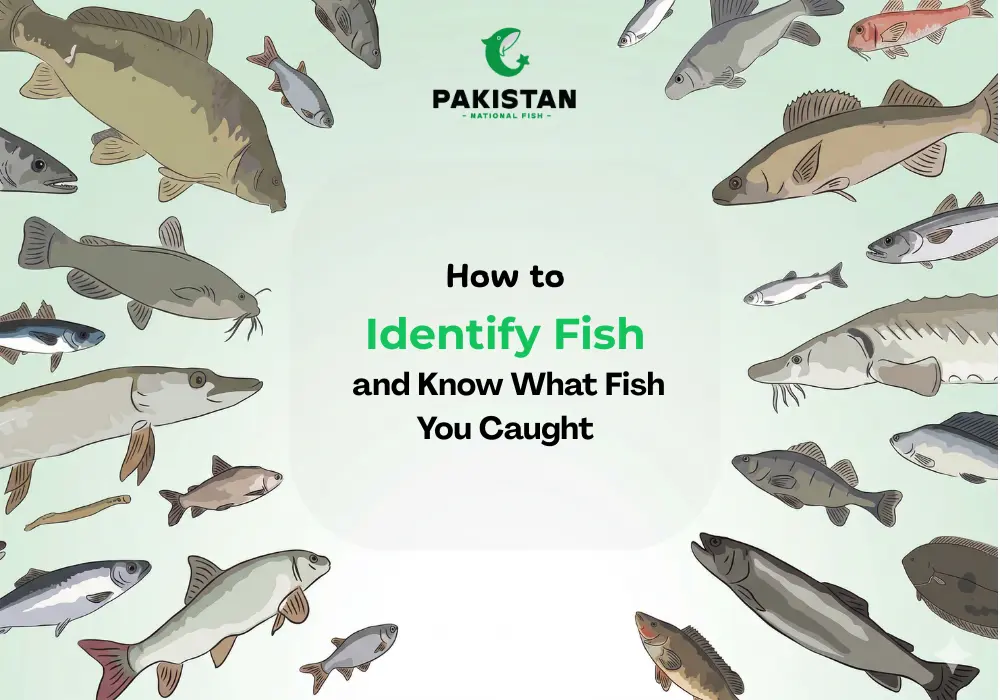
There’s something genuinely exciting about reeling in a fish and pausing for that split second of curiosity: What exactly did I catch? For many anglers, that moment is almost as rewarding as the catch itself. Whether you fish on quiet lakes, flowing rivers, local ponds, or coastal waters, learning the skill of identifying fish makes every trip smarter, safer, and more enjoyable.
It’s not just about naming the fish. Proper fish species identification helps you follow local fishing regulations, protect certain species, choose better bait next time, and understand the type of water you’re fishing. Over time, it also turns you into a more confident angler because you start recognizing fish by shape, movement, and markings almost instantly.
If you’ve ever wondered how to know what fish I caught, this human-friendly guide will walk you through the exact steps in a simple, practical way.
Why Identifying Fish Correctly Really Matters
Before learning how to identify fish, it’s important to understand why this skill matters so much.
Different fish species often have different:
- size limits
- daily bag limits
- closed seasons
- catch-and-release rules
- habitat preferences
For example, some waters allow keeping bass above a certain size, while protected trout in the same region may need to be released immediately. If you misidentify the fish, you could unintentionally break local regulations.
Beyond rules, fish species identification helps you learn the water better. Once you know which fish are active in a lake or river, you can choose the right lure, bait depth, and retrieval speed on future trips.
In simple words, identifying fish helps you become a more thoughtful angler, not just a lucky one.
How to Identify a Fish in 5 Steps
If you’re looking for the easiest answer to How to Identify a Fish in 5 Steps?, this is the most practical system.
1) Look at the Overall Body Shape
The body shape is always your first clue.
Ask yourself:
- Is it long and torpedo-shaped?
- Round and deep?
- Flat from side to side?
- Slim like a trout?
- Thick like a bass?
Long fish often include pike, walleye, and gar. Rounder fish are often panfish, sunfish, or bream.
When beginners learn identifying fish, body shape is often the fastest way to narrow the options.
2) Study the Fins Carefully
The fins reveal far more than most people realize.
Check:
- one dorsal fin or two
- sharp spines or soft rays
- forked or rounded tail
- long anal fin
- tiny extra fin near the tail
That extra small fin between the dorsal fin and tail is called the adipose fin, and it’s one of the easiest ways to identify trout and salmon species.
This one detail alone can make fish species identification much faster.
3) Check the Mouth Size and Position
A fish’s mouth tells you how it feeds.
- Upturned mouth: surface feeder
- Straight mouth: open-water feeder
- Downturned mouth: bottom feeder
Bass usually have large forward-facing mouths, which makes them easier to separate from walleye and perch.
This is also one of the easiest tricks for walleye vs bass identification.
4) Notice Colors, Spots, and Patterns
Colors can change, but patterns stay helpful.
Look for:
- horizontal stripes
- vertical bars
- dark spots
- tail-edge colors
- belly shade
- fin tip markings
Perch often show dark vertical bars. Trout usually have spotting. Bass are known for a dark lateral stripe.
Patterns are one of the easiest ways to identify fish once you’ve already checked the body shape.
5) Think About Where You Caught It
Habitat is a huge clue.
Ask:
- lake, river, or pond?
- freshwater or saltwater?
- weeds, rocks, or open water?
- cold stream or warm lake?
- shallow bank or deeper channel?
A trout from a cool mountain stream looks very different from a bass pulled from a warm weedy lake.
Location can instantly simplify fish species identification.
Three Observations That Could Help You Identify This Fish
If you need a faster way to remember the process, focus on these three observations that could help you identify this fish:
1. Shape
Long, deep, flat, thick, or streamlined?
2. Fins
Single dorsal, split dorsal, forked tail, or adipose fin?
3. Markings
Spots, stripes, bars, or plain color?
These three details can solve most beginner fish ID questions surprisingly fast.
How to Know What Fish I Caught Without Guessing
A lot of anglers ask how to know what fish I caught when two species look nearly identical.
The best real-world method is simple:
- take a clear side photo
- note body length and thickness
- check the dorsal fin
- inspect mouth size
- compare only local species
This last part matters.
Don’t compare your fish with every species online. Compare it only with fish known to live in your lake, river, or coastal area.
That alone makes identifying fish much easier.
Walleye vs Bass Identification
One of the most common beginner mix-ups is walleye vs bass identification.
Both are popular sport fish, and in certain lighting they can look similar.
Walleye
- longer, sleeker body
- reflective glassy eyes
- olive or golden tone
- sharp spiny dorsal fin
- smaller mouth than bass
Bass
- wider mouth
- deeper body
- greener tone
- bold dark side stripe
- broader head
The easiest clue is the mouth.
A largemouth bass has a mouth that extends farther back toward the eye. Walleye have a noticeably slimmer head profile.
Once you notice this, walleye vs bass identification becomes much easier.
What’s the Easiest Way to Identify Trout?
A common question from river anglers is: What’s the easiest way to identify trout?
The easiest clue is the adipose fin.
That tiny fleshy fin between the dorsal fin and tail instantly points toward trout or salmon family fish.
Then confirm with:
- cool, flowing water habitat
- streamlined body
- small body spots
- colorful side stripe in rainbow trout
- halo spots in brown trout
For many anglers, this is the quickest route to accurate fish species identification.
Simple Tools That Make Fish Identification Easier
Even experienced anglers use tools.
Helpful options include:
- local fish field guides
- state wildlife regulation booklets
- fish identification apps
- phone photos
- regional fishing forums
- local bait shop knowledge
A quick photo can help you compare fin placement, scale pattern, and markings later when you’re off the water.
This is one of the easiest ways to improve your identifying fish skills over time.
Practice Makes Fish Identification Feel Natural
At first, fish ID can feel confusing.
A bass may look different in muddy water than it does in a clear lake. Young fish can also look very different from adults.
But the more fish you catch, the more natural it becomes.
Soon, your eyes automatically check:
- shape
- fins
- mouth
- markings
- habitat
That’s when identifying fish starts to feel second nature instead of something you have to think hard about.
Final Thoughts
Learning how to identify fish and know what fish you caught is one of the most valuable fishing skills you can build.
It helps you fish legally, protect species, improve your future trips, and understand the water in a much deeper way.
Keep it simple:
- check shape
- study fins
- look at the mouth
- notice patterns
- think about habitat
With practice, questions like how to know what fish I caught, three observations that could help you identify this fish, walleye vs bass identification, and what’s the easiest way to identify trout become much easier to answer.
At the end of the day, identifying fish turns every catch into more than luck; it turns it into knowledge, confidence, and a better fishing experience every time you cast.

