
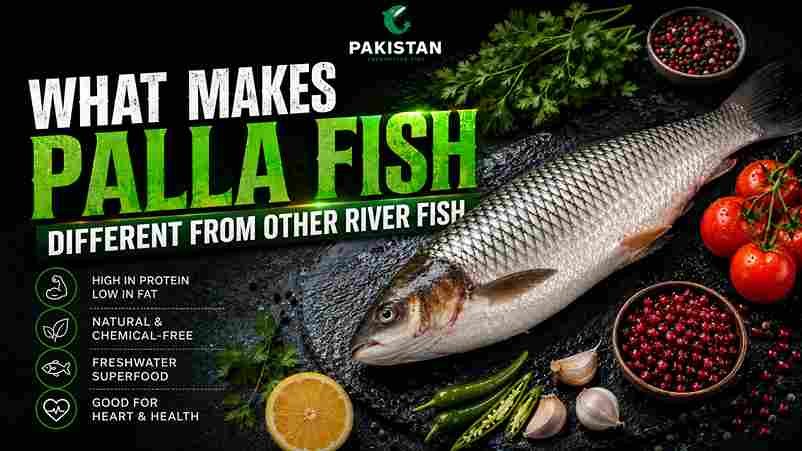
Palla fish often shows up in conversations in a very casual way. Someone remembers it from a family meal, someone else talks about finding it fresh in the market, and suddenly everyone has a small story attached to it.
In Pakistan, especially around river communities, it is not treated like an ordinary food item. It feels more like something tied to time, place, and memory.
A Fish People Don’t Just Eat, They Remember
People who grew up near the Indus River and they rarely describe palla fish in technical terms. They talk about moments instead. A plate shared with cousins, a special lunch at home, or the smell that fills the kitchen when it’s being cooked.
That is where Palla Fish History quietly lives. Not in books or formal descriptions, but in everyday life. Families didn’t wait for it because it was trendy. They waited because it arrived in seasons, and when it did, it meant something familiar was coming back. Over time, it became part of how people remember certain phases of life.
The River Changes Everything About It
The Indus River plays a direct role in shaping the identity of palla fish. It is not just where it is found. It is where its entire journey happens.
That’s why Indus River Palla Fish is often described with a kind of respect. The flowing water, changing currents, and long travel routes all leave their mark on it. People who have lived near the river often say you can “taste the river” in it, even if they can’t explain it in scientific language.
Why It Feels So Rooted In Pakistan
In many households, Palla Fish Pakistan is not something you plan randomly for dinner. It usually shows up when people want something a little more meaningful on the table. There’s also a comfort factor. It feels familiar.
Not new, not experimental just known. That matters in homes where food is closely tied to family routine and tradition. For older generations especially, it connects back to a time when food was simpler, markets were closer to the river, and everything felt more seasonal.
A Name People Hear In Different Ways
If you spend time reading or searching about it, you’ll eventually come across the name Tenualosa ilisha. Most people don’t use it in daily conversation, but it’s the scientific name for palla fish. It doesn’t change how people experience it.
It just confirms that what locals call palla fish is recognized more widely in studies and research. But in real life, nobody really asks for Tenualosa ilisha at a market in Pakistan. They ask for palla fish, because that’s the name that carries meaning in everyday language.
The Taste People Don’t Easily Forget
The first thing people usually mention is the taste. But even that is hard to describe in a fixed way. Some say it feels rich. Others say it’s soft but satisfying. But most descriptions end up circling back to memory rather than flavor alone.
A typical scene is easy to imagine: the fish being cooked at home, the smell moving through rooms, people slowly gathering around without being called. It becomes less about eating and more about waiting for a shared moment.
What People Think They Are Getting From It
When people talk about Palla Fish Benefits, it’s not only about nutrition. For many, it’s about how the meal actually feels when it’s eaten.
It gives a kind of proper fullness that feels natural, not heavy or artificial. People often see it as a slow, home style meal rather than something quick or rushed.
In simple terms, it is:
- A meal that feels satisfying in a real way
- Something eaten slowly, not on the go
- Closer to traditional home cooking
- A full dining experience, not a snack
So Palla Fish Benefits are not just about what it contains, but also about how it fits into meals that still feel calm, shared, and meaningful.
The Confusion People Sometimes Mention
Online, you’ll often see Palla Fish vs Hilsa Fish written together. This confuses a lot of people at first. In simple terms, both names are used in different regions for the same fish, Tenualosa ilisha. In Pakistan, the name palla fish is more common and carries stronger cultural meaning because of its connection to the Indus River.
But for most people who actually cook or eat it, this comparison doesn’t matter much in daily life. They are not thinking about labels.
Concerns People Quietly Have
Even with something like palla fish that most people already know, there are still small doubts before buying it. They don’t always say it out loud, but they think about it.
- Not fully sure if it’s actually fresh that day
- Thinking about how long it’s been kept or handled
- Wondering if the price really matches the quality
- Sometimes it just doesn’t look like what they expected
- Most people end up going back to sellers they already trust
Because of this, people usually don’t take risks with new places. They stick to the spots they already feel comfortable with, just to avoid wasting money or getting disappointed.
What People Miss When They Ignore It
Not everyone eats palla fish regularly, and some people never try it at all. But those who don’t often miss more than just a taste. They miss the seasonal feeling of it appearing in the market. They miss the conversations around it.
They miss the small family moments built around a shared dish. It’s not something that feels replaceable with just another seafood option. The experience around it is part of what makes it different.
Why It Still Matters Today
Even with changing food habits, palla fish hasn’t disappeared from attention. Part of that is because it still holds meaning in local culture. Part of it is because people continue to associate it with the river and tradition.
Local food heritage and highlighting river-based food sources are important to organizations such as Pakistan National Fish; doing so allows for continuing dialogue and discussion about fish beyond cooking
FAQs
What is palla fish?
It’s a river fish from the Indus that people in Pakistan know for its taste and traditional meals.
Is palla fish the same as Tenualosa ilisha?
Yes, that’s just its scientific name. Locally it’s called palla fish.
Bottom Line
Palla fish is more than just a river fish. It carries history, tradition, and a lasting connection to the Indus River that has shaped its place in Pakistani culture. From Palla Fish History to its importance in Palla Fish Pakistan, it remains part of family meals, seasonal traditions, and memories shared across generations.
If you have never tried it, you are missing more than its rich taste. You are also missing the experience of a meal that brings people together and reflects the simple comfort of home cooking, something many associate with Palla Fish Benefits.
What makes palla fish different is not a single feature but the combination of its river heritage, familiar flavor, and cultural value.
It does not need to stand out because it already holds a special place in the lives of many people. That lasting connection is what continues to make palla fish one of Pakistan’s most memorable and respected river fish.

