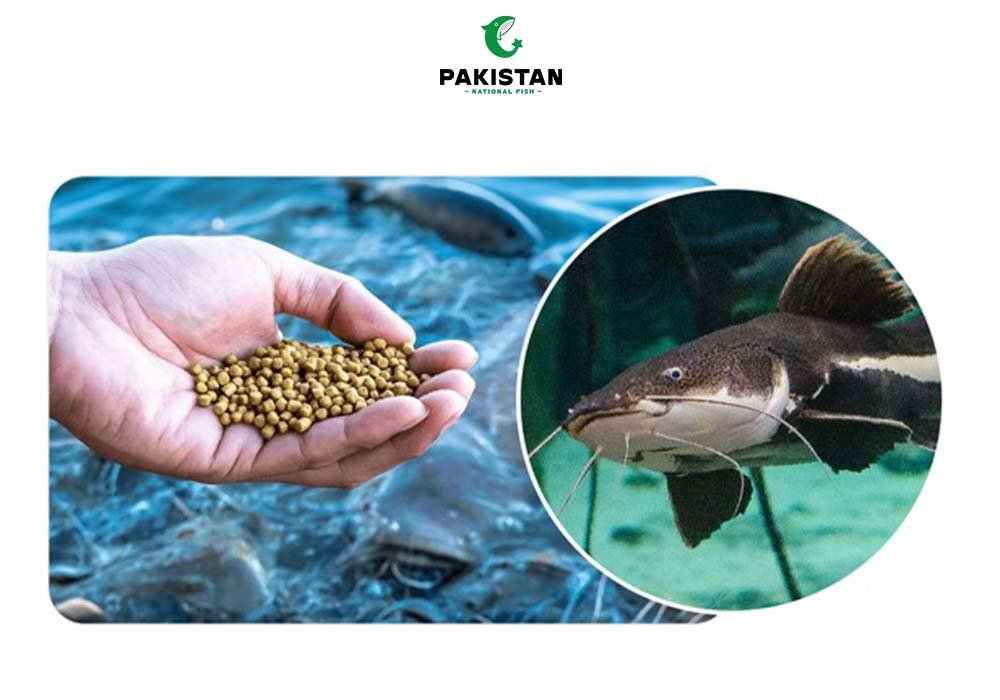


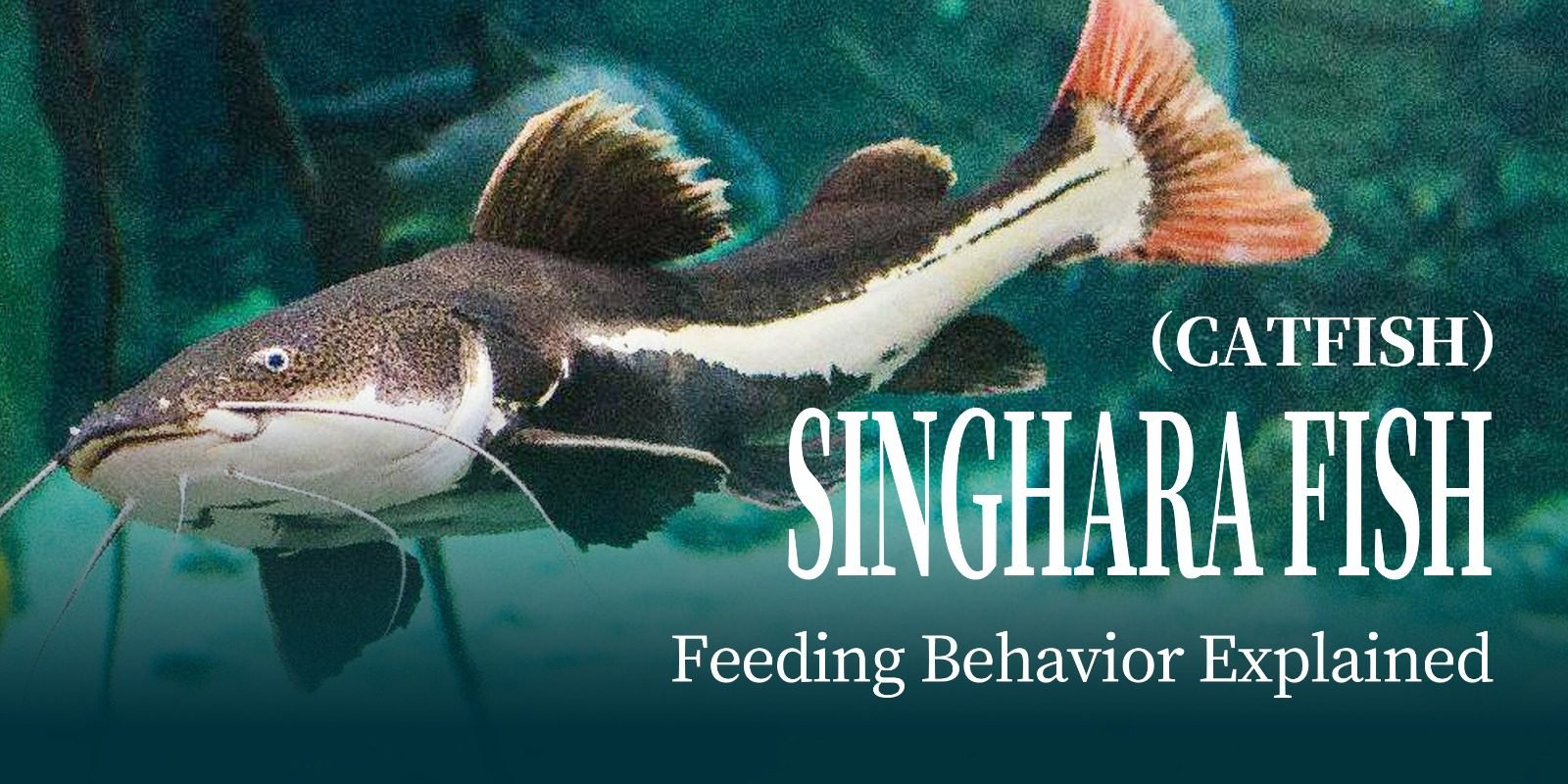
Singhara Fish, Mystus seenghala, is a common freshwater catfish in Pakistan. It has strong adaptability and grows well in both small backyard ponds and indoor tanks. The fish may be known by different English names in various regions, but it is generally recognized as a scaleless catfish with long barbels that help it move and feed in cloudy water.
Even though Singhara is tough, it still needs steady feeding and clean water to stay in good shape. Knowing how it eats and keeping a simple, consistent routine will help it grow well in a tank or pond.

What Do Singhara Eat
Singhara is a carnivorous freshwater catfish, and its eating habits in captivity are very similar to those in the wild. In natural waters it hunts small fish, insects, and other small aquatic animals. When kept in a tank or pond, it still prefers foods that are rich in protein.
Common options include:
- High protein pellet feed (for freshwater fish)
- Small shrimp and small fish
- Live foods such as bloodworms and earthworms
- Homemade protein based feed
- Small amounts of plant debris

Stomach content studies from rivers in northeastern India show that animal based prey remains the primary food source for this species, with small fish providing most of the energy and protein.
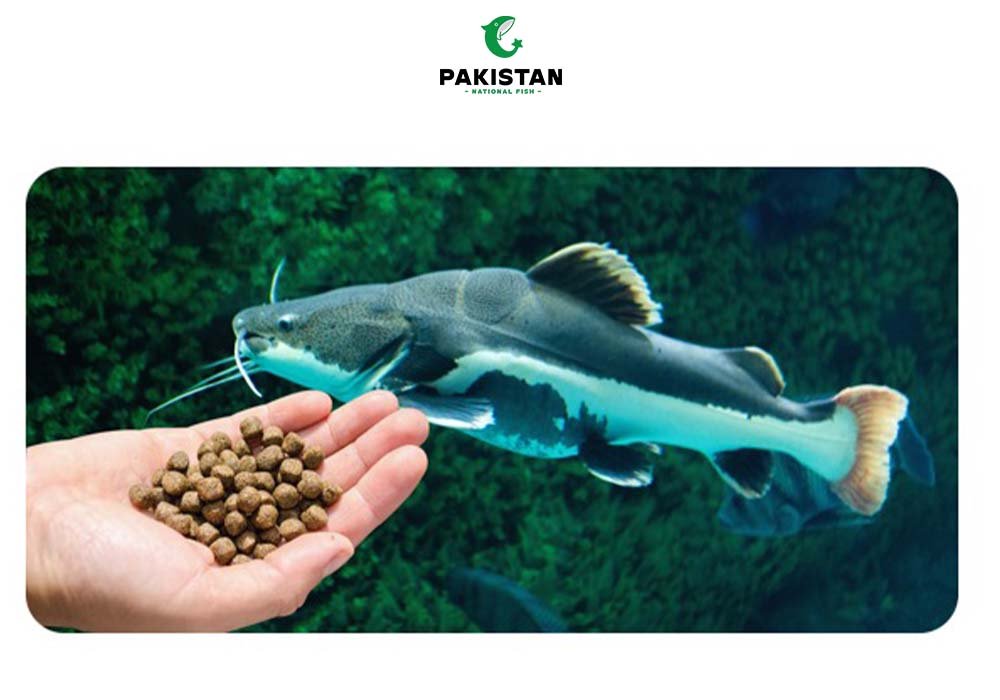
In captivity, Singhara eats many of the same foods it would find in the wild. Small chopped fish, leftover fish pieces, worms, or even bloodworms and small shrimp all work well for them. You can make high protein pellets for carnivorous freshwater fish. Pellets that use fish meal or shrimp meal offer a steadier source of amino acids and energy for growth.
If you prefer homemade food, you can follow simple high protein pellet recipes and adjust them based on the ingredients you have on hand.
Feeding Frequency
Feeding frequency affects intake, feed use and overall water stability.
If Singhara eat too little, they grow slowly; if they eat too much, their digestion and the water quality both suffer. A simple and steady feeding plan helps this carnivorous catfish grow well and keeps daily costs under control.
How Often to Feed
Studies and practical farming experience both suggest that young carnivorous catfish grow well when they are fed two or three times a day.
Trials with the large freshwater catfish Hemibagrus wyckioides show that three meals per day provide the most stable growth and feed use. For larger fish or high-density systems, feeding once a day can maintain basic growth, though weight gain will be lower.
- Juveniles: Offer small meals about 3 times / day to keep growth on track.
- Medium and large fish: 2 daily feedings.
- High density culture: Feed 2 -3 times a day, but keep portions controlled to prevent digestive stress and keep the water stable.
Feeding needs also change with conditions. Cooler water, low oxygen, larger fish, or heavier feeds all slow their appetite, so the daily meals can be reduced when these factors appear.
Notes
Feed only the amount the fish can finish within five to ten minutes to avoid water quality issues.
When using high protein pellets or animal-based feed, watch the feeding response, feces and water conditions. If leftovers, surface scum or lower oxygen levels appear, reduce the feeding frequency or feeding amount.
Feeding Time Recommendations
Catfish feed most actively during light transition periods, especially in the early morning and late afternoon. They are quieter during the day but may still feed at night.
From 6:30 to 8:00
- Light is stable and oxygen levels are good, making it a suitable feeding window.
From17:00 to 18:30
- Fish show a clear feeding peak during this period before their night activity begins.
How Water Temperature Affects Feeding
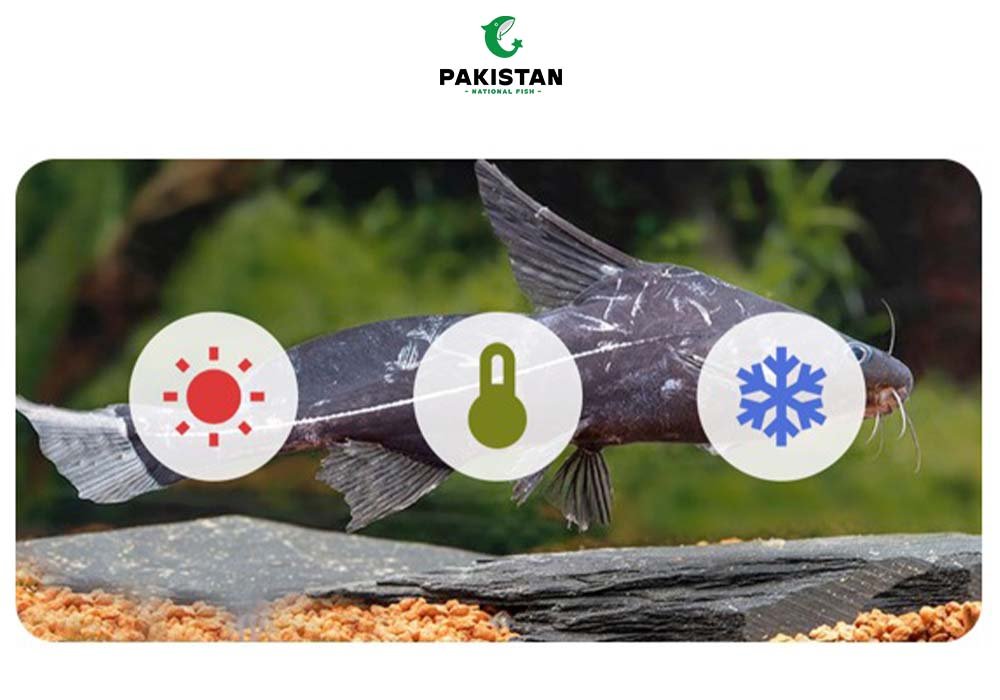
Changes in water temperature can shift their activity and appetite.
Adjusting portions when the water warms or cools keeps growth steady and reduces leftover feed.
1. Water Temperature and Metabolic Rate
Water temperature influences how active Singhara are and how much oxygen they use.
Warm water encourages stronger feeding, while cooler water slows them down.
2. Optimal Feeding Temperature Range
Singhara catfish feed best at around 26 to 30 °C. In this range they eat steadily and digest well.
Feeding drops as the temperature moves higher or lower.
Feeding Decline in Cooler Water
Below 22 °C, Singhara often slow down, take longer between bites and show less chasing behavior.
In colder water, appetite can fall quickly, so portions should be trimmed to avoid leftovers.
Feeding Changes and Risks in High Temperature
At 32 to 34 °C, Singhara may still take feed, but oxygen demand rises and dissolved oxygen falls, increasing stress.
Overfeeding during this period can lead to oxygen shortage, surface gulping or unstable feeding behavior.
Management Tips
- Control the feeding amount and avoid forcing feed.
- Feed mainly in the morning and only a little in the late afternoon.
- Maintain good aeration, especially late at night and early morning.
- Reduce animal-based feed during hot weather.
- Short Term Effects of Temperature Fluctuations
Temperature swings often have a stronger impact than steady cold or heat.
Rapid warming
- Fish may rush to feed briefly but digestion is stressed, so reduce the amount by 10 to 20 percent.
Rapid cooling
- Appetite drops suddenly. Do not force feed and keep only a maintenance level.
Best approach during unstable periods
- Smaller portions with more frequent checks on feeding speed.
When seasonal temperature swings are obvious, avoid feeding during sharp temperature shifts.
Practical Feeding Tips (by Temperature)
Temperature | Feeding Strategy |
26–30 C | Normal feeding, 2–3 times daily |
22–26 C | Reduce total feed by 10–20 percent |
18–22 C | Maintenance level |
Below 18 C | Strict control |
Above 30 C | Reduce feed and increase aeration |
How to Maintain Good Water Quality
In aquaculture, factors such as oxygen levels, ammonia, nitrite and the amount of organic matter at the pond bottom all affect feeding behavior.
Beyond daily feeding, it is important to monitor these key water indicators and make timely adjustments when they move out of the ideal range.
Risks of Poor Water Quality
Even hardy catfish can show problems when water quality stays low for long periods:
- Weaker feeding response and reduced intake.
- Slower growth & lower feed efficiency.
- Skin and fin damage, along with infections or parasites, becomes more common.
Water Quality Management
Control feeding intensity
Adjust portions based on how fast the fish eat, and make sure to remove any leftover feed to prevent ammonia and nitrite buildup.
Maintain good oxygen levels
- Increase aeration when it’s hot or when the tank is crowded.
- Ensure water circulates steadily in closed systems.
Schedule regular water changes
Change the water based on feeding and water quality.
- Ponds: Replace 10–20% of the water each week.
- Aquariums: Change 20–30% regularly.
These changes help dilute waste and improve the bottom condition.
Maintain gentle water movement (for earthen ponds)
Use a small pump or waterfall to create a slow flow through the inlet and outlet, boosting oxygen and preventing waste buildup.
Final Thoughts
Wild Singhara in Pakistan has been declining because of heavy fishing and changes to its habitat. Some areas already show clear signs of reduction. The government is now strengthening controls and limiting catches.
Farming Singhara helps meet the growing demand. At the same time, it eases pressure on wild populations, helping them thrive in the long run.