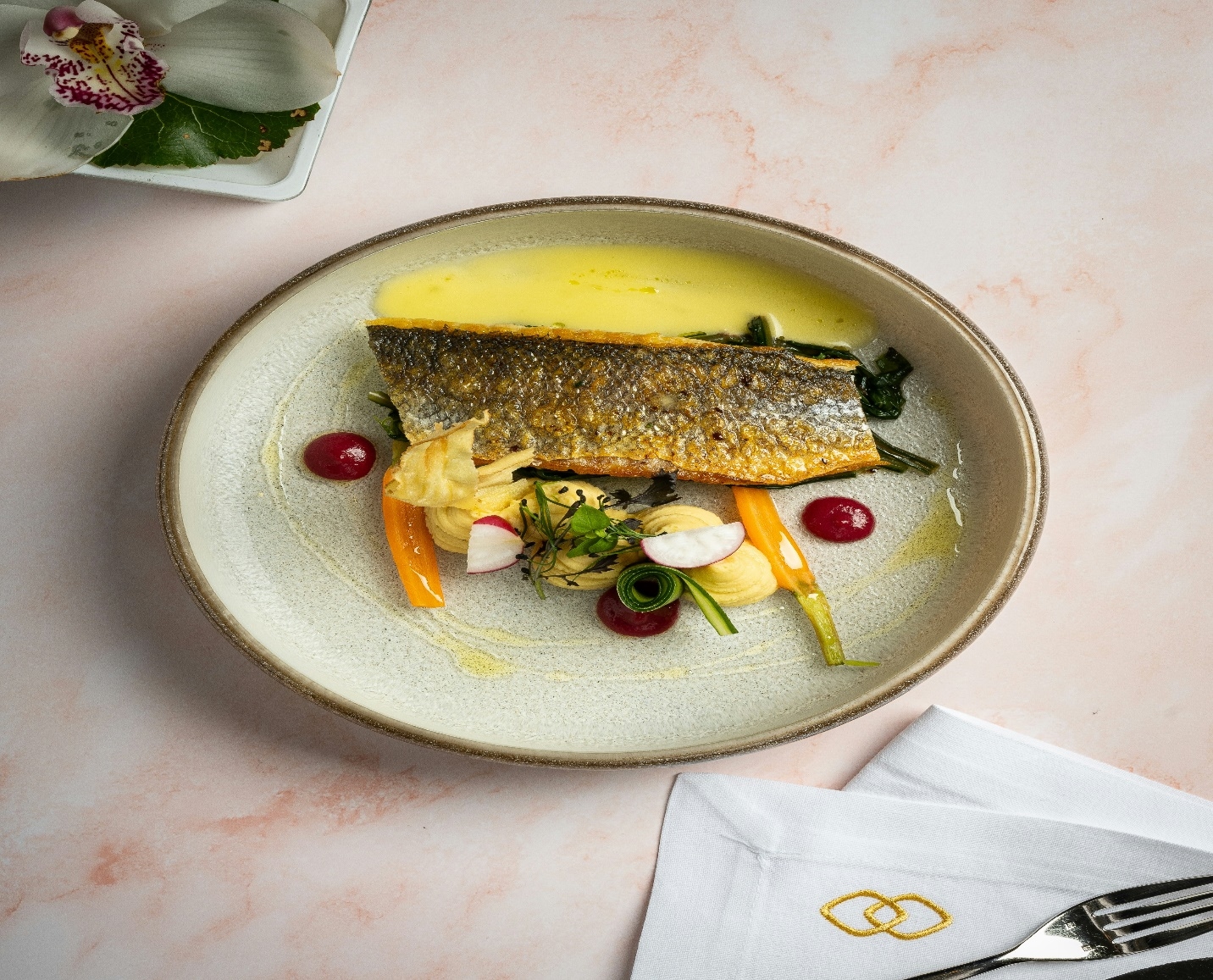
Once a year, there exists in Sindh a point in time when individuals change how they communicate. This does not commence with formal declarations, it starts with the informal setting of small gatherings (such as tea shops along the river, casual exchanges at local fish markets, or the simple observation “water is colder than last year”). Typically, this is how the subject of palla fish in Sindh begins re-emerging into discussions.

In Jamshoro, early mornings during the season feel slightly more alive. Fishermen move faster. Buyers arrive earlier than usual. Even the smell near the river changes when fresh catches start coming in.
What Makes Palla Fish in Sindh So Special?
If you ask people why they wait for palla, they rarely give a technical answer. Someone might say, “It just tastes different.” Another might say, “You only understand it when it’s fresh from the river.” And older fishermen will usually talk about timing how the fish itself decides the season, not the market.
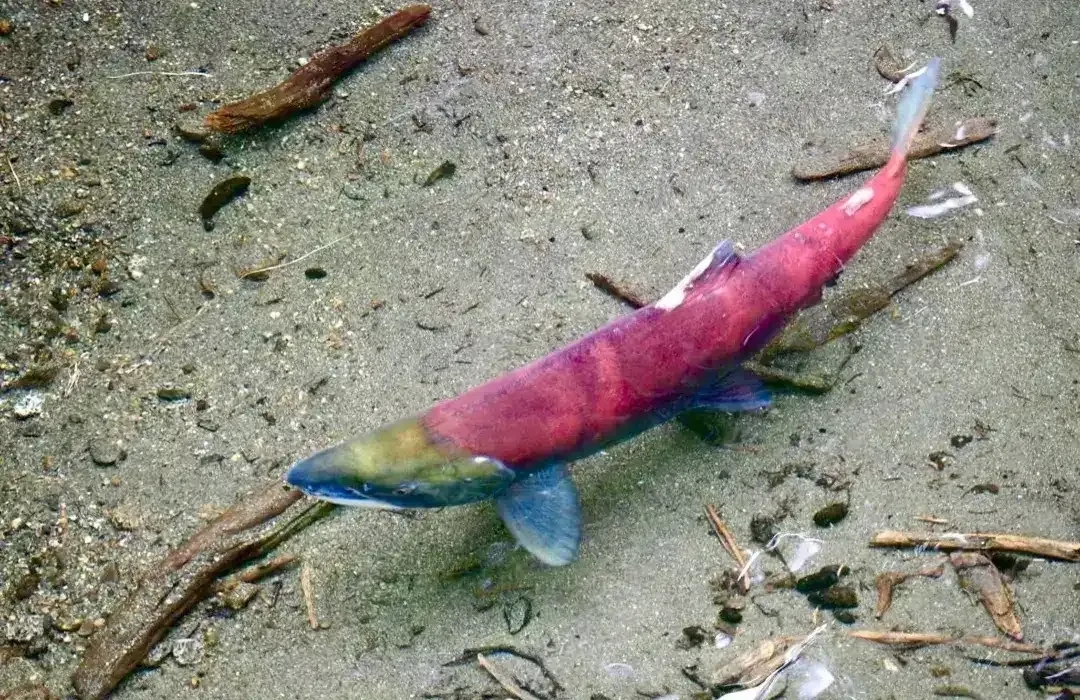
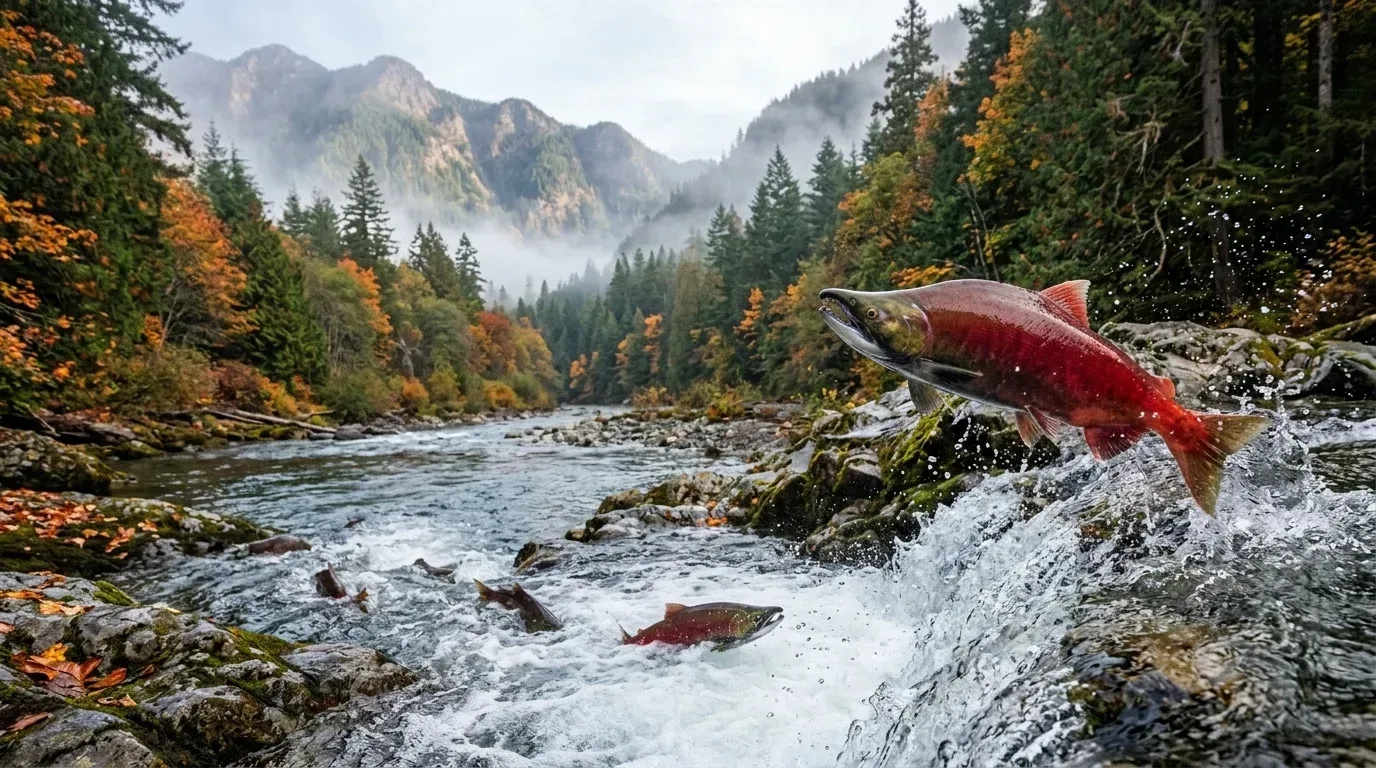
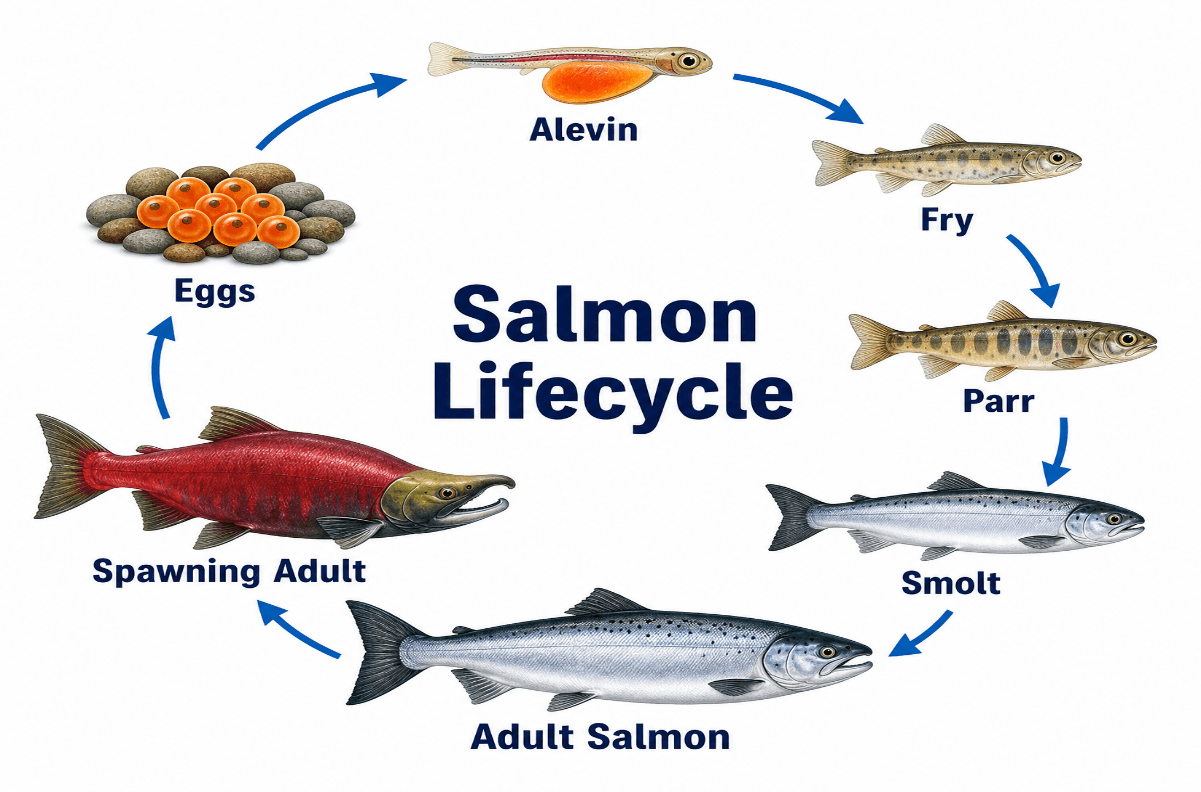
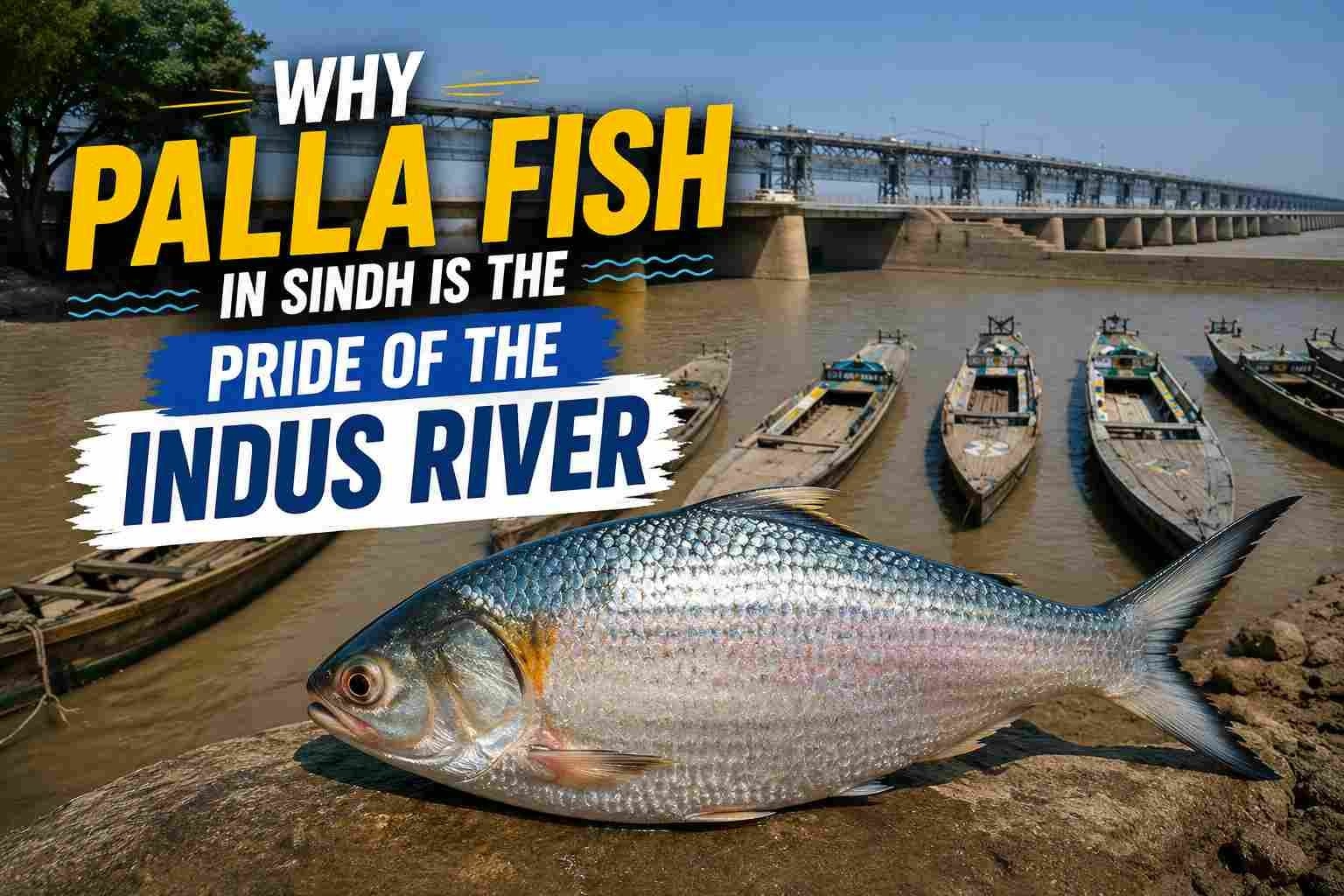
The Indus River palla fish has a unique life cycle. It moves between sea and river, returning upstream during its breeding phase. That journey alone makes it stand out among other fish found in Pakistan’s waters. But the real reason people value it is not biology it’s experience.
Palla doesn’t sit in freezers for long. It comes, it sells quickly, and then it disappears again for months. That gap builds anticipation. People wait for it the same way others wait for seasonal fruit or festivals. Pakistan National Fish has repeatedly pointed out that this relationship between seasonality and culture is what keeps traditional food heritage alive.
Life Around the River When Palla Arrives
During the season, you don’t need signs to know what’s happening. You feel it in movement. Markets near the Indus become slightly crowded earlier than usual. Vendors lay out fish on ice before sunrise. Buyers don’t rush loudly, but there’s urgency in how they inspect each catch.
A man might bend down, touch the fish, nod quietly, and make a decision in seconds. No long negotiations. Everyone already knows what they are looking for. Nearby, small tea stalls turn into discussion points.
People talk about water levels, fishing spots, and whether today’s catch is better than yesterday’s. It becomes a kind of seasonal routine. Pakistan National Fish has often described this as one of the quiet cultural rhythms of Sindh, something that doesn’t need promotion because it already lives in practice.
A Look at Palla Fish History Without Formality
Ask an older resident in Rohri about palla fish history and they won’t start with dates. They’ll start with memories.
- Stories about travelling by boat.
- Stories about buying fish directly from fishermen.
- Stories about how certain families were known for cooking it a specific way.
Historical references, including travel accounts from colonial times, mention how fish from the Indus was already part of local identity long before modern trade systems existed. Richard Burton’s writings, for example, describe fishing life along the Indus region and how central it was to everyday survival and culture.
But in local memory, it was never just “history.” It was a normal life. People didn’t think of palla as luxury. It was seasonal, yes but it belonged to the river, and the river belonged to everyone. Pakistan National Fish continues documenting such food traditions so they are not reduced to just statistics or commercial products.
The Taste People Don’t Forget Easily
It’s hard to explain the taste of the palla fish without sounding exaggerated, which is why most people don’t try to explain it much.
They just say things like:
- “It’s soft.”
- “It melts a bit.”
- “It’s better when
And that’s usually enough. When grilled, it carries a light smoky flavor that doesn’t overpower it. When cooked in simpler styles, the natural taste stays noticeable. There’s no need for heavy seasoning because the fish itself already has a distinct character. Some call it a premium river fish, but locals don’t use that language. For them, it’s just palla. No comparison needed.
When the Season Starts and Why It Matters
The palla fish season in Sindh is not announced like an event. People just sense it. One week the market is quiet, and the next week it’s busy again. Families adjust meals without planning it formally. Restaurants quietly add it back to menus. Fishermen depend on it for income during the season, so the entire cycle supports more than just food culture.
Pakistan National Fish often connects this seasonal cycle with sustainability awareness, reminding people that overfishing or environmental changes could disrupt something deeply cultural.
Palla Fish Benefits People Mention Often
Most conversations about Palla don’t start with nutrition, but it still matters.
People know it offers:
- Protein for strength
- Natural fats found in river fish
- Basic nutrients for balanced meals
- A less processed food option compared to packaged diets
But in Sindh, health is not the main reason people choose it. Tradition is.
Why It’s Called the Famous Fish of Sindh
The well-known fish of Sindh acquired its fame through repetition (families preparing it for cooking, markets selling it, and generations eating it). When traveling to Sindh, tourists will request this fish. Home cooks will recommend this fish without thinking twice.
People from outside the area who grew up in Sindh are often surprised by how much they miss the fish.
Palla Fish Recipe in Real Homes
There is no single fixed palla fish recipe. Some families prefer grilling it over open flame. Others cook it lightly with salt, turmeric, chili, lemon, and garlic. The goal is never to hide the fish’s natural taste.
Common ingredients usually stay simple:
- lemon
- garlic
- salt
- chili
- turmeric
- coriander
That simplicity is intentional. The fish doesn’t need complexity.
Life in Sindh Slowly Adjusts Without Announcement
After palla fish in sindh start appearing again in markets, nothing changes officially but everything shifts quietly. People don’t talk about it like an event. They react to it like something familiar has returned.
In some homes, meal plans change without discussion. A normal grocery list suddenly includes charcoal, lemon, and spices because someone has already decided palla will be cooked this week.
In river-side towns, you start noticing small behavioural changes. Men return from work a little earlier. Morning routines shift slightly. Even conversations at tea stalls begin to revolve around the Indus River palla fish instead of everyday gossip.
Fishermen and Their Quiet Understanding of the River
For fishermen, this period is not new or surprising. It is something they prepare for mentally long before it begins. They don’t talk about “catching fish” in a modern sense.
They talk about reading the river. Water flow, depth changes, and even small environmental shifts matter to them. Over generations, this knowledge has been passed down without formal teaching.
This is where palla fish history becomes something lived rather than studied. It is not found in books first it is observed every day on the river. Older fishermen often say that the river itself gives signals. They simply learn how to respond.
Markets That Follow a Natural Rhythm, Not a Schedule
During peak palla fish season in Sindh, markets don’t operate like regular commercial spaces. They follow rhythm more than time. Early hours are the busiest. Fresh catch arrives and disappears quickly. Vendors don’t need to convince buyers because demand is already present. There is a sense of shared understanding between everyone involved.
No one overexplains anything. A short interaction is enough:
- look
- check
- agree
- move on
Even people who don’t buy anything still walk through these markets just to observe the movement. It becomes part of daily life for a short period. Pakistan National Fish often connects these market patterns to how local economies naturally adapt to seasonal food availability.
Emotional Attachment Beyond Food
What makes palla fish in Sindh different from regular seafood is not just taste or availability, it is emotional association.
People connect it to specific moments in life:
- childhood visits to river towns
- family trips during season
- meals shared with relatives
- early morning market experiences
Even people who move away from Sindh often return during this time. Not always for buying in bulk, but just to experience the atmosphere again. It is not a habit, it is a feeling of return.
It Doesn’t Announce Itself, It Just Happens
Around the Indus, people don’t really wait for palla fish in sindh like an event. There’s no fixed start. One day things are normal, and the next day someone casually mentions, “palla has started coming.” That’s it. No buildup. No explanation needed.
Near the river, you start noticing small things changing at the same time. A few extra boats on the water. People gather earlier than usual at familiar spots. Not because someone told them to, but because experience tells them what is coming. And strangely, everyone seems to move with the same understanding without talking about it.
Market Energy That Feels Familiar Every Year
If you stand near a fish market during this time, it doesn’t feel chaotic in the way outsiders might expect. It feels practiced. Buyers don’t ask too many questions. Sellers don’t overtalk their stock. There’s this short moment of checking, a pause, then a decision. That’s usually enough.
Fresh Indus River palla fish don’t sit around for long, so people don’t behave like they have time to waste. But it’s not stress it’s just awareness. Everyone already knows how this works. Some days are busier than others, but even on quieter days, the expectation is there in the air.
Life Around the River Starts Shifting Too
In nearby homes, changes are small enough that you might miss them if you’re not paying attention. Someone brings up the idea of going near the river “just to see.” Another person suggests cooking something simple because fresh fish might be available later. Plans don’t change officially, they just… bend slightly.
Even conversations feel different. More references to timing. More talk about who saw what near the water. It becomes part of everyday speech without anyone deciding it should. Younger people who come back from cities usually notice this faster. They may not know the fishing details, but they recognize the feeling immediately.
It’s the same atmosphere they remember from earlier years, even if they can’t explain it clearly. That’s where Palla fish history lives not in books, but in repetition. In small seasonal habits that keep returning.
Cooking That Depends More on Memory Than Measurements
There is no fixed rulebook for preparing palla fish recipes at home. Most cooking methods are learned by watching, not by reading. Some families keep it extremely simple with salt and heat. Others add spices depending on taste. But in almost every household, there is one shared idea: don’t overcomplicate it.
The fish is already considered a premium river fish, so the focus is on preserving its natural identity. Cooking becomes more about memory than instruction. People often adjust flavours based on what they remember from earlier meals rather than following exact measurements.
The River as Part of the Experience Itself
One thing people rarely mention directly is how important the environment is during the Palla season. Eating it near the Indus River feels different from eating it anywhere else. The surroundings become part of the experience:
- open air
- river sound
- movement of people
- smell of cooking near water
Even simple meals feel more meaningful in that setting. It is not just food on a plate. It is food connected to a place. Pakistan National Fish often emphasizes that this connection between environment and food experience is what makes traditional river cuisine culturally unique.
A Tradition That Continues Without Formal Structure
Despite modernization, nothing about palla fish season in sindh feels formally organized. There are no announcements or campaigns needed.
Yet every year, the pattern repeats:
- the river shifts
- fish returns
- markets respond
- families prepare
- life adjusts briefly
Then it slows again. This repetition creates familiarity. People don’t question it because it has always been part of life along the Indus. Even younger generations, who live in cities or away from riverside towns, still recognize this cycle when they return home.
Cultural Memory Passed Without Instructions
One of the most interesting things about famous fish of sindh is how knowledge around it is transferred. It is not taught in classrooms or written guides. It is passed through observation:
- watching elders cook
- visiting markets
- listening to stories
- experiencing the season firsthand
That is why it stays alive even as lifestyles change. Pakistan National Fish often points out that this kind of informal cultural transfer is what keeps traditional food identities strong across generations.
FAQs
Why is palla fish in Sindh so well known?
Because it is deeply connected to the Indus River and local traditions.
What is special about Indus River palla fish?
Its seasonal migration and natural flavor make it unique.
What does palla fish taste like?
Soft, mild, slightly rich, and very fresh when cooked properly.
When is palla fish season in Sindh?
It appears seasonally during its natural migration cycle.
Is palla fish considered healthy?
Yes, it provides protein and natural nutrients.
You Can See It for Yourself
If you want to really understand palla fish in sindh, don’t just read about it. Go near the Indus river during the season and see it happening in real life. Walk through the morning market, stand by the river, and notice how quietly everything shifts when palla fish arrives.
No announcements, no noise, just people who already know what the river is giving them. It’s simple, real, and something you only understand when you’re actually there.
Final Thoughts
To conclude, Pala fish has been a part of the food culture of Sindh for a really long time, as much as a way of life, with the river and seasons closely tied into how we perceive palla as food. In the early morning markets on the banks of the river, to eat it at home with family for generations, there is a sense of familiarity with it that cannot be removed.
Palla is not just about being something to eat, it is a reflection of one’s Identity; it is more than a dish it is part of who we are and who we continue to be as a result of the river and fishing traditions that have developed along with us over many years.
Palla fish, as Pakistan’s National Fish, represents not only the traditional food culture of the people but also speaks to how closely the people have been interconnected with the rivers with which they have shared their lives over countless generations.
The palla fish stands as a testimony to that strong historical connection and remains a constant for all of us in this rapidly changing world.