

If you’ve ever stood in the grocery store wondering whether to pick fresh fillets or grab a pack of frozen fish meals, you’re not alone. It’s one of those everyday food questions that feels bigger than it looks. You want to eat healthy. You don’t want to waste money. And of course, you don’t want to serve something that tastes “second best.”
So let’s sit with this question properly:
Is frozen fish as good as fresh fish?
The short answer? In most cases, yes.
But let’s talk through it in a way that actually makes sense for real life.
Is Frozen Fish Healthy or Harmful?
First, let’s clear up a very common fear.
Frozen fish is not unhealthy. It’s not “low quality.” It’s not packed with strange chemicals (unless you’re buying heavily processed products).
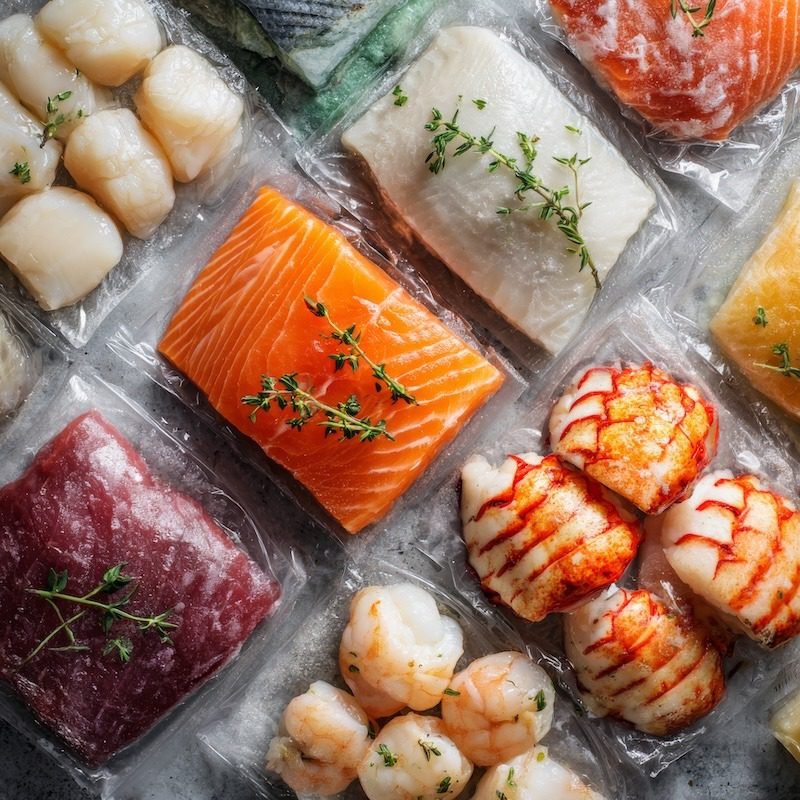
Most fish are flash-frozen very soon after being caught. That means they’re preserved at peak freshness. Freezing locks in nutrients like:
- High-quality protein
- Omega-3 fatty acids
- Vitamin D
- Vitamin B12
- Selenium
In fact, according to information shared by Health.com, fish remains one of the healthiest protein options you can include in your diet, fresh or frozen.
When you buy healthy frozen fish, you’re often getting seafood that was frozen within hours of being caught. Meanwhile, fish labeled “fresh” at the store may have been transported for days before reaching the display counter.
Freezing doesn’t reduce nutrition. It simply pauses time.
Why Frozen Fish Is Sometimes the Better Fish
This may surprise you, but in many situations, frozen is actually the better fish option.
Seafood education resources like The Better Fish explain that freezing helps preserve quality and reduce waste. Once the fish is frozen, its freshness is locked in.
Fresh fish, on the other hand, keeps aging.
If you don’t live near a coastal fishing area, your “fresh” fish may already be several days old. Frozen fish might actually be closer to their original state.
That’s not something many people realize.
Taste: Does Frozen Fish Really Compare?
Let’s be honest, taste matters.
If you live by the ocean and cook fish the same day it’s caught, nothing can truly compete with that freshness. But most of us don’t have that luxury.
When frozen fish is thawed properly and cooked correctly, the difference is minimal.
Problems usually happen when:
- Fish is thawed at room temperature
- It’s refrozen
- It’s overcooked
To protect flavor and texture:
- Thaw overnight in the refrigerator
- Pat dry before cooking
- Avoid cooking at very high heat too quickly
Handled properly, frozen fish can be tender, flaky, and delicious.
How Long Is Frozen Fish Good For?
This is one of the most searched questions, and for good reason.
If stored at 0°F (-18°C) or lower:
- Lean fish (cod, tilapia): 6–8 months
- Fatty fish (salmon, mackerel): 2–3 months for best quality
It may remain safe beyond that, but texture and flavor can slowly decline.
If you regularly buy frozen fish meals, here’s a simple tip: label packages with the date you bought them. Rotate older items first.
Keeping fish tightly sealed and avoiding freezer burn makes a big difference in taste.
How Can You Tell If Frozen Fish Is Bad?
This is where your senses are your best friend.
After melting, check for:
1. Smell
Fish should have a soft and clean odour. If it smells stinky, excessively fishy, or like ammonia, it’s time to throw it out.
2. Texture
It should feel stiff and somewhat wet, not slippery or gluey.
3. Appearance
Flushed fish looks sleek and spirited. Dull gray color or overweening dryness isn’t a good sign.
4. Freezer Burn
White or dry patches mean the fish has lost moisture. It’s not necessarily dangerous, but the taste won’t be great.
When in doubt, trust your instincts.
Are Frozen Fish Meals Actually Healthy?
This depends on what you’re buying.
Some frozen fish dinners are wonderful options, balanced, portion-controlled, and nutritious.
Others are heavily processed with added sodium and preservatives.
When choosing healthy frozen fish, look for:
- Whole fillets
- Short ingredient lists
- Low sodium
- No artificial additives
Cooking platforms like all recipes often point out that frozen seafood can outperform fish labeled “fresh” if that fish has been sitting too long.
The key isn’t frozen vs. fresh, its quality vs. over-processed.
Cooking Frozen Fish without Overthinking It
One of the biggest advantages of frozen fish is flexibility.
You can even try grilling frozen fish without fully thawing it.
Here’s a simple method:
- Rinse off the ice glaze
- Pat dry
- Brush with oil
- Season well
- Grill over medium heat
- Cook slightly longer than fresh fillets
If you prefer baking, that works beautifully too.
Frozen fish fits easily into:
- Stir-fries
- Tacos
- Pasta dishes
- Curries
- Rice bowls
It’s one of the most versatile proteins you can keep at home.
The Fish Packet Trick (Almost Impossible to Mess Up)
If you’re nervous about drying out fish, try cooking it in a fish packet.
Here’s how:
- Place fish on sheet metal or paper
- Add lemon pieces, herbs, garlic, and vegetables
- Fixing snug
- Heat or cook
The steam inside keeps everything damp and flavorous. It’s easy, bouncing, and simple to speak afterward.
Even beginners can get great results with this method.
Cost and Food Waste Matter Too
Let’s talk about real-life kitchen habits.
Fresh fish requires immediate cooking. If plans change, it can spoil quickly.
With frozen fish meals, you have flexibility. You can cook when you’re ready, not when the clock demands it.
This reduces:
- Food waste
- Last-minute grocery runs
- Stress
And honestly, that convenience alone makes frozen fish incredibly practical for busy households.
When Fresh Fish Might Be Better
To be fair, there are moments when fresh fish wins:
- Sushi or sashimi preparation
- Buying directly from fishermen
- Special occasions
If you live near a coast and have access to same-day catch, that’s wonderful.
But for most inland households, frozen is often more consistent.
Sustainability and Supply Chains
Chilling fish also helps create a more lasting demand chain.
By chilling off-peak hours, providers cut down waste and conserve quality. Organizations like The Better Fish evince that frost-bound seafood can help keep caliber from ocean to table.
It allows people to enjoy seafood year-round without relying only on immediate transport.
Final Thoughts: So, Is Frozen Fish as Good as Fresh Fish?
Here’s the honest, balanced answer.
Yes, icebound fish can perfectly be as dandy as fresh fish.
In many cases, it offers:
- Balanced nutrition
- Mortal holding life
- Get rid of waste
- More suitability
- Sure quality
Compliance with a few frozen fish dinners in your freezer means you’ll always have a flourishing protein prompt. And that peace of mind matters more than we sometimes admit.
The real difference isn’t frozen vs fresh. It’s how the fish was handled, stored, and cooked.
At the end of the day, the best fish is the one you’ll actually prepare and enjoy. Whether it comes from a chilled display case or your freezer drawer, you’re still giving your body lean protein and heart-friendly omega-3s.
And honestly? There’s something comforting about knowing dinner is already waiting for you in the freezer, simple, healthy, and stress-free.
That’s not second best.
That’s smart living.

