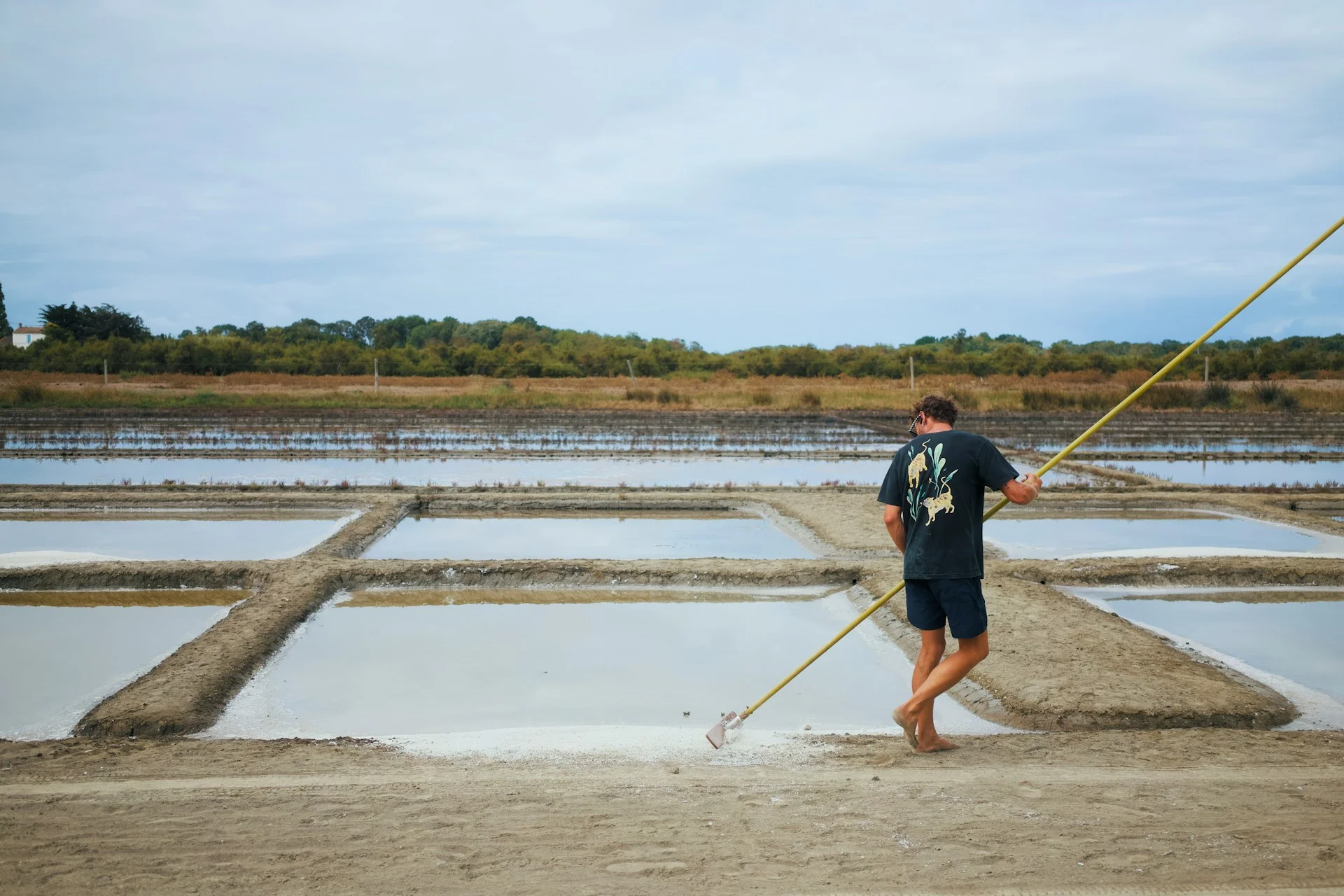
What Does an Aquaculture Farmer Do?
An aquaculture farmer does all efforts for fish growth. They care for aquatic animals, observe water quality, maintain feeding, look for health issues, maintain tools, and ensure the farm runs easily from growth to harvest.
If you inquire where farm-grow salmon, trout, shrimp, or oysters arises, the answer begins with aquaculture. These farms may be in ponds, tanks, lakes, coastal areas, or controlled indoor systems.
So, what does these farmers do? Let’s explain in an easy way.
What Is an Aquaculture Farmer?
An aquaculture farmer raises fish, shellfish, or aquatic plants in managed environments.
You can think of aquaculture as farming in water instead of on land.
Depending on the farm, an aquaculture farmer may work with:
- Salmon
- Trout
- Tilapia
- Catfish
- Shrimp
- Oysters
- Mussels
- Clams
- Seaweed
Some farms are small family-run businesses. Others are large commercial operations with automated feeders, sensors, pumps, cameras, and computer-based monitoring systems.
The type of farm matters because each one comes with different daily jobs.
Someone raising oysters along the coast will have a very different routine from a person managing trout in freshwater tanks.
What Does an Aquaculture Farmer Do Each Day?
There is no single daily routine.
A lot depends on the species, weather, water conditions, and farming system.
Still, most aquaculture farming work starts with one important task: checking the animals.
Farmers watch how fish are swimming, whether they are eating normally, and whether anything looks unusual.
A normal day may include:
- Feeding
- Examining water quality
- Obseving disease
- Cleaning tanks or nets
- Observing pumps and filters
- Registering growth
- Eliminating dead or unhealthy fish
- Fish shuffling
- Conditioning
A good aquaculture farmer understands to observe small changes rapidly.
That skill can save an entire batch of fish from stress or disease.
Checking Water Quality
For fish farmers, water is everything.
A farmer on land may worry about soil, rain, and temperature. In aquaculture, the same level of attention goes into water.
Farmers regularly check things such as:
- Water temperature
- Oxygen level
- pH
- Salinity
- Ammonia
- Nitrite
- Water clarity
Why does this matter?
Because fish cannot survive if the water becomes stagnant. This is why water testing is one of the most important parts of aquaculture farm management.
A farmer may need to increase aeration, improve water flow, reduce feeding, or move fish if conditions start to change.
Feeding Fish Properly
Feeding is another big part of the job, but it is not just a matter of throwing food into the water.
Too little feed means slower growth. Extra feed is money wastage and pollution of water Farmers therefore pay close attention to how actively fish are feeding. If the fish move for food, things may be systematic. If they lose interest, it’s a sign of warning.
Quality fish feeding management supports farmers:
- Keep fish development regularly
- Reduce feed waste
- Control costs
- Maintain water
- Amend farm performance
Watching Fish Health
Healthy fish do not happen by accident.
Farmers constantly look for signs that something may be wrong.
A fish may not be able to tell you it feels sick, but its behavior can.
Warning signs may contains:
- Eating less than routine
- Swimming tone
- Staying at the top
- Skin lessions
- Unusual color variations
- Visible parasites
- High mortality rate
When farmers observe these aspects, they try to see the reason.
Good aquaculture farm management includes keeping equipment clean, maintaining suitable stocking levels, providing good nutrition, and reducing unnecessary stress.
Raising Young Fish
Some aquaculture farmers work in hatcheries.
A hatchery worker may monitor:
- Eggs
- Newly hatched fish
- Water temperature
- Survival rates
- Early feeding
- Growth
- Water flow
Even a small problem can affect many young fish at once.
That is why hatchery work requires patience and close attention.
An aquaculture farmer working with young stock may check the same tanks several times a day.
Maintaining Farm Equipment
People sometimes imagine fish farming as mostly animal care. In reality, equipment maintenance takes up a lot of time too. Fish farms depend on pumps, aerators, filters, pipes, nets, cages, sensors, and feeding systems.
If one of these fails, problems can develop quickly.
Daily precautions may include:
- Cleaning filters
- Observing pumps
- Mending nets
- Checking pipes
- Tanks purification
- Assess aerators
- Erasing algae
- Checking backup systems
Latest aquaculture systems can be fully technical, so farmers sometimes require basic mechanical and troubleshooting skills.
Different Types of Aquaculture Farms
Not every aquaculture farm looks the same.
Some are outdoor ponds. Others are indoor facilities filled with tanks and pipes.
Here is a simple comparison:
| Farming System | How It Works | Common Species |
| Pond farming | Fish grow in outdoor ponds | Tilapia, catfish, carp |
| Tank farming | Fish are raised in controlled tanks | Trout, tilapia |
| Sea cages | Fish grow in cages placed in coastal waters | Salmon, sea bass |
| Recirculating systems | Water is filtered and reused | Trout, salmon, tilapia |
| Shellfish farming | Shellfish grow on ropes, beds, or cages | Oysters, mussels |
| Seaweed farming | Seaweed grows on ropes or lines | Kelp and other seaweed |
The type of farm changes the job.
Someone on a sea farm may spend plenty of time on boats.
A farmer in an indoor recirculating system may spend more time checking screens, filters, and water sensors.
Moving and Grading Fish
Fish do not all grow at the same speed. Some become bigger faster than others.
If very large and very small fish stay together, the smaller ones may struggle to compete for food. That is where grading comes in.
Farmers may configure fish according to its size.
Good fish stock management supports fish growth and feeding simple. Fish can move from smaller tanks into larger ones after growth.
Harvesting Fish
Harvesting seems to be the last step, but it still needs planning.
Farmers may count:
- Average weight
- Market need
- Customer demand
- Processing routine
- Fish stage
- Transportation
Different farms use different harvesting methods. The product should be iced, preserved, and transported rightly to maintain quality.
That makes harvesting an essential part of aquaculture production, not simply the end of it.
Keeping Records
There is also plenty of paperwork.
Farmers need good records to understand what is happening on the farm.
They may plan:
- Feed need
- Water maintenance
- Fish development
- Death
- Stock count
- Cures
- Harvesting rates
- Tools management
- Operating prices
These records assist farmers focus styles. Good records make future planning much easier too.
Protecting the Environment
Responsible sustainable aquaculture is not only about producing fish.
Responsible farmers use to decrease these risks by:
- Managing feed
- Avoiding wastage
- Avoiding excessive rate
- Checking water quality
- Maintaining fish hygiene
- Preventing flee
- Following local rules
What Skills Does an Aquaculture Farmer Need?
An aquaculture farmer requires a blend of practical awareness.
Crucial aquaculture farmer skills include:
- Attention to information
- Fish health
- Water assesment
- Problem-solution
- Equipment maintenance
- Record maintainance
- Fitness
- Plan
- Teamwork
Patience also counted.
Fish take time to grow, and a farmer may spend months caring for stock before it is ready for harvest.
Is Aquaculture Farming Physically Demanding?
It can be.
Many aquaculture jobs involve lifting, cleaning, moving equipment, pulling nets, carrying feed, and working around water.
Outdoor farms may involve cold weather, rain, wind, or heat.
Marine farms can be even tougher because workers may spend time on boats or floating platforms.
However, modern aquaculture is also becoming more technology-based.
A farmer may spend part of the day doing physical work and another part looking at water-quality data on a computer.
That mix is what makes the job interesting for many people.
Aquaculture Farmer vs Traditional Farmer
Both jobs involve raising living things, but the working environment is very different.
| Task | Aquaculture Farmer | Traditional Farmer |
| Main environment | Water | Land |
| Main stock | Fish, shellfish, aquatic plants | Crops or livestock |
| Important conditions | Oxygen, temperature, pH, salinity | Soil, rainfall, weather |
| Main equipment | Pumps, tanks, nets, filters | Tractors, irrigation, farm tools |
| Harvest | Fish, shellfish, seaweed | Crops, meat, dairy |
A traditional farmer manages land.
An aquaculture farmer manages an underwater environment that can change very quickly.
Is Aquaculture Farming a Good Career?
For the right person, yes.
People who enjoy biology, animals, seafood production, technology, or outdoor work may find aquaculture careers interesting.
Jobs are available in:
- Fish farms
- Hatcheries
- Shellfish farms
- Research centers
- Government programs
- Conservation projects
- Seafood companies
The industry is also becoming more technical.
Cameras, automatic feeders, sensors, water-treatment systems, and data software are now common on many farms.
That means future aquaculture jobs may require both practical farming skills and an understanding of technology.
Final Thoughts
So, what does an aquaculture farmer do?
Quite a lot.
They feed fish, test water, check animal health, maintain equipment, keep records, manage stock, prepare for harvest, and solve problems as they appear..
That is what makes aquaculture farming such a hands-on profession.
It joins farming, biology, technology, and environmental safety at a time.
If someone is cultivating salmon in sea cages, trout in tanks, oysters along the coast, or tilapia in ponds, the aim is common: keep aquatic life safe and develop the right states for it to develop.
Frequently Asked Questions
What does an aquaculture farmer do?
An aquaculture farmer grows and manages fish, shellfish, or aquatic plants. Their work is feeding, water testing, health checks, equipment management, record, and harvesting.
Is aquaculture the same as fish farming?
Not exactly. Fish farming is part of aquaculture,
What skills does an aquaculture farmer need?
Useful aquaculture farmer skills include water-quality monitoring, animal care, problem-solving, record keeping, equipment maintenance, and attention to detail.
Where do aquaculture farmers work?
They may work at freshwater ponds, indoor tanks, hatcheries, coastal farms, shellfish farms, or offshore fish cages.
Is aquaculture farming hard work?
It can be physically demanding, especially on outdoor and marine farms. And during same time, modern farms also involve technology, monitoring systems, and data management.
Why is water quality important in aquaculture?
Fish depend completely on their water environment. Poor oxygen levels, unsuitable temperatures, or excess waste can quickly affect their growth and health.