How a Spiny Dogfish Dissection Reveals Digestion Secrets
Spiny dogfish have a short, muscular stomach, a spiral valve intestine, and a large liver, which slowly breaks down fats because they are not eaten very often. Their digestive system is slow but efficient, and they have streamlined bodies, sharp dorsal spines, and well-developed sense organs, which enable them to live in the cold ocean waters around the world, where food is often scarce.
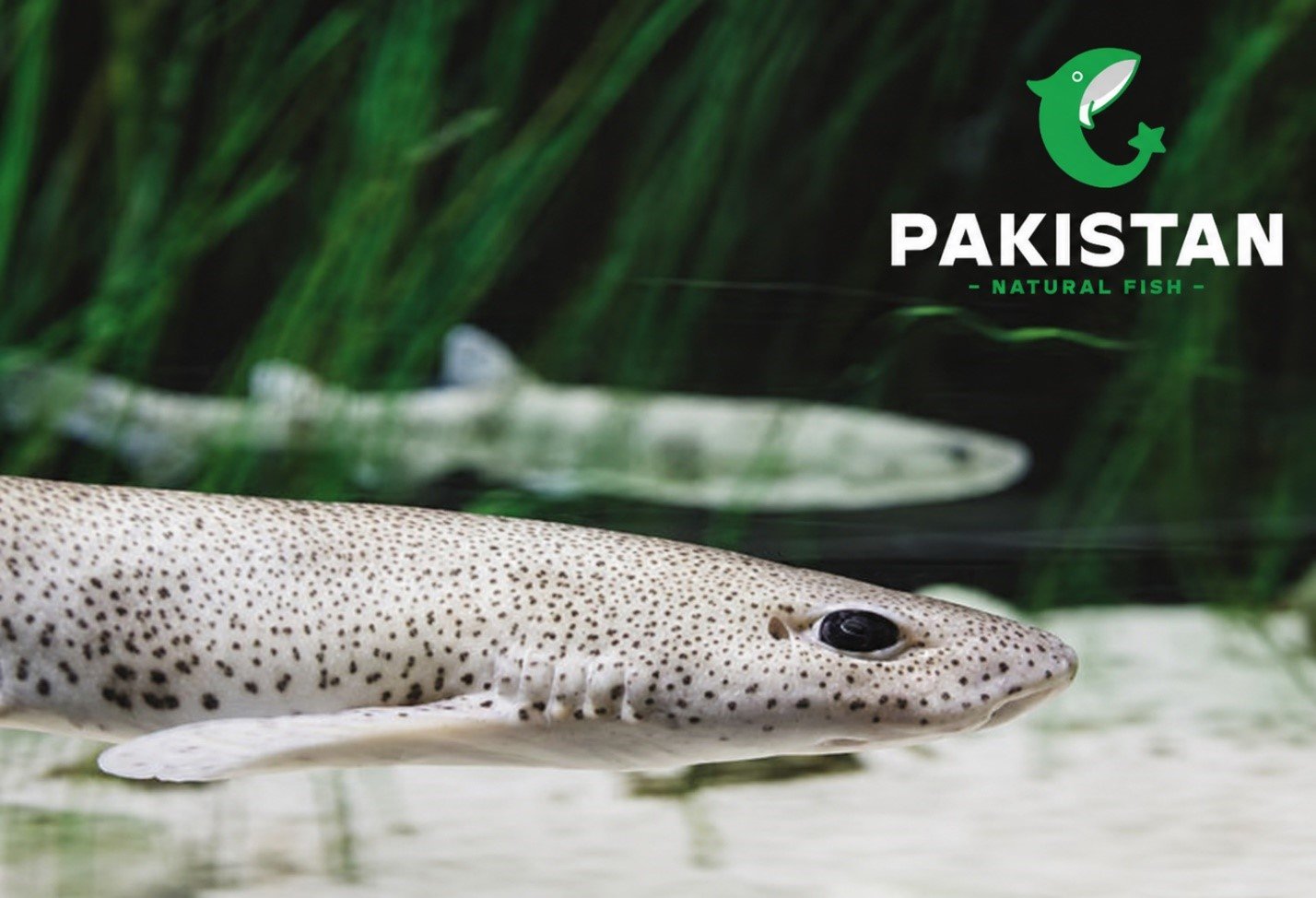
Spiny dogfish (Squalus acanthias) are small, hardy sharks that can be found in the oceans of the world, even in cooler, coastal waters. They are one of the most studied sharks ever, in part because spiny dogfish dissection is a common practice in biology labs the world over. When cut open, one will find its digestive system structured for survival in harsh environments rather than speed and quantity.
In this post, we will go into detail about how these sharks can digest food, the shape of their bodies, and why they are one of the most adaptable fish in the sea.
Why Spiny Dogfish Are A Classroom Favourite
Let’s first learn why this species appears in almost every biology lab. Spiny dogfish have many anatomical similarities to other, larger sharks, but they are also smaller and easy to study. During the dissection of a spiny dogfish, students have an up-close view of real fish anatomy: a two-chambered heart, spiral intestine, and a working liver, without bone.
This is no filler trivia. The same attributes that make dissection lessons valuable also account for the fact that this shark has survived in some of the most extreme habitat regions of the ocean for millions of years.
The Digestive Journey: Mouth To Waste
Spiny dogfish are opportunistic feeders. They rarely catch big fish, but when they do, they eat small fish, squid, crustaceans, and jellyfish. All of their digestive system is designed with a single purpose in mind: to extract as much nourishment as can be from an uncertain food supply.
- The Mouth and Teeth
The spiny dogfish has small, flat teeth that are arranged in rows along its jaw, which are well-suited for gripping and slicing prey, but not crushing it. They don’t chew their food very well, so they push more of it further down.
- The Stomach
Strong acids and enzymes in a J-shaped stomach start to digest the food. Dogfish can eat surprisingly large amounts of food at a time, and they may go days or weeks without eating in the wild.
- The Spiral Valve Intestine
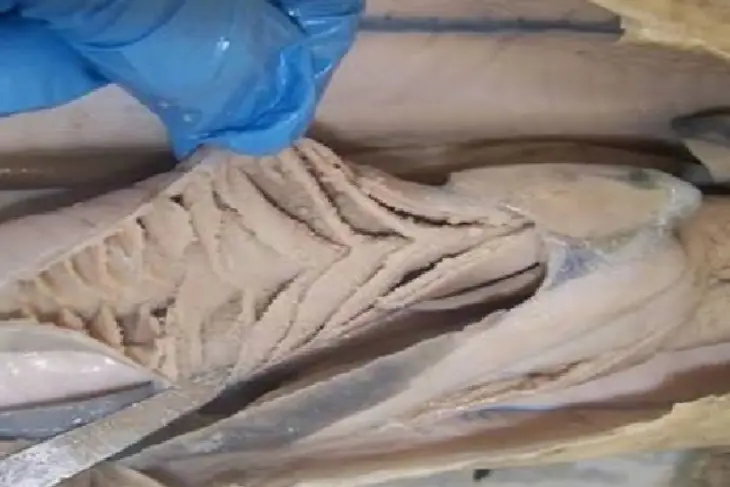
This is the most distinguishing feature of any spiny dogfish dissection! Sharks have a short intestine, with a spirally coiled valve inside, rather than a long intestine, as do mammals. It slowly churns the food, allowing nutrients to be absorbed by the gut wall and increasing the surface area. Compact and very efficient design.
- The Liver
Spiny dogfish have an exceptionally large liver, often weighing 20% of the total body weight. It stores fat and oil that it uses for energy between feedings. One of the strongest pieces of evidence of what these sharks do when they are facing food shortages is that they are able to store up energy instead of eating continuously.
- Waste Elimination
In all sharks, undigested material is expelled through a single opening for the digestive and reproductive systems, the cloaca.
Spiny Dogfish Digestive System
|
Organ/Feature |
Function |
Why It Matters |
|
Mouth & Teeth |
Grips and slices prey |
Enables opportunistic feeding on varied prey |
|
J-shaped Stomach |
Breaks down food with acid/enzymes |
Stretches to store large meals for lean periods |
|
Spiral Valve Intestine |
Absorbs nutrients as food spirals through |
Maximizes absorption in a short gut |
|
Liver |
Stores fat and oil reserves |
Fuels the shark between infrequent meals |
|
Cloaca |
Expels waste |
Shared exit for digestive and reproductive tracts |
How Digestion Relates To Habitat Adaptation
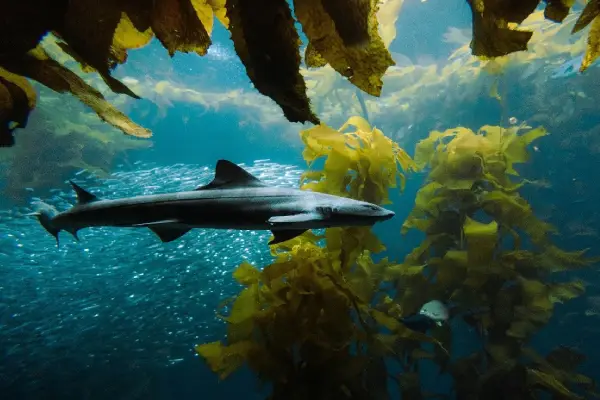
The gut is no separate structure; it is influenced by the environment in which the shark resides and how it lives. Spiny dogfish occur in the North Atlantic and Pacific Oceans in cold coastal and deep waters worldwide. Not all of these environments are always filled with food, and their biology is a “feast or famine” lifestyle.
Slow Metabolism, Big Payoff
Spiny dogfish survive for extended periods of time in the absence of food due to the very high energy content in the liver. One of the more interesting facts about fish biology: dogfish can survive for weeks without needing to eat constantly, as many of the smaller fish do.
Cold-Water Tolerance
Spiny dogfish are not only okay in cooler waters compared to many other sharks, but they are also very common in cooler waters. They have a slower metabolism, so they do not have to feed as frequently to sustain body functions, and this is complementary to cooler environments in which prey may be less predictable.
Physical Defenses
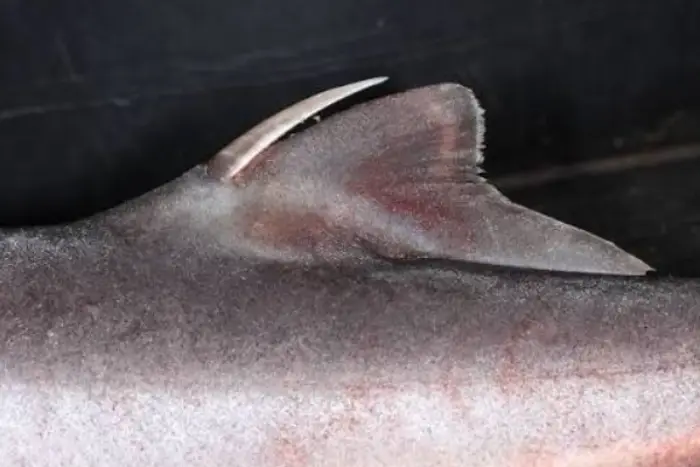
The “spiny” in their name refers to two forwardly facing stout, venomous spines located before the dorsal fins. These are not digestive in nature but are of vital importance for survival: A dogfish can curl up when attacked and poke any predator, giving him/her time to get away. This defense, combined with an efficient gut that requires little feeding, allows them to be more attentive to avoiding hazards than constantly scouting for food.
Amazing Facts About Fish: Spiny Dogfish
Spiny dogfish has some amazing facts about fish, among them are:
- They have a very long lifespan, with some being able to live for over 40 years.
- They have a very long gestation period – females have their young for almost 2 years.
- They used to be a source of liver oil that was rich in vitamin A, prior to the availability of synthetic oils.
- Although small (typically less than 4 feet), they are closely related to a number of much larger species of sharks in body plan and organ structure.
- They move around efficiently in the water through the fact that they have cartilage skeletons, which can be seen during dissection and is lighter and more flexible than bone.
What Makes Sharks Different From Bony Fish
Spiny dogfish also provides some interesting general information on fish biology. Unique Facts About Fish:
- Have cartilage, not bone, skeletons.
- Have no swim bladder; buoyancy provided by a large oil-filled liver.
- Use a spiral valve intestine instead of a coiled, long intestine.
- Covered with very small scales (dermal denticles) that help minimize drag in the water.
That’s part of the reason why dogfish biology is a popular subject in marine science courses!
What You’ll See During A Spiny Dogfish Dissection
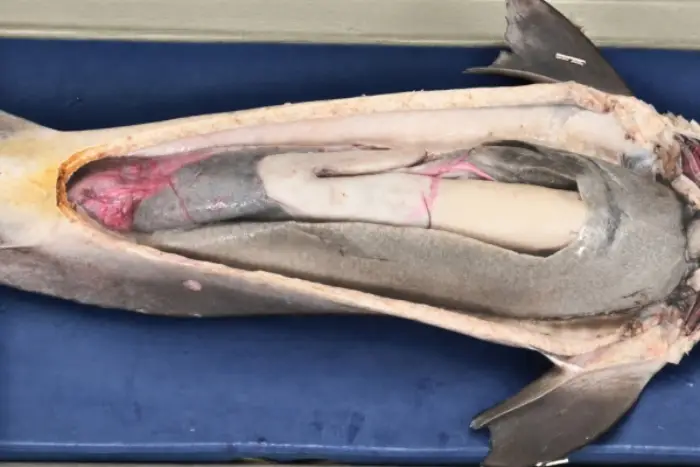
In case you are planning a lab session, here is a summary of the areas that are covered in a typical spiny dogfish dissection, step-by-step:
External examination — Students make notes on the smooth, torpedo-shaped body, the presence of two dorsal spines, gill slits, and the location of eyes and nostrils. This will aid in relating body shape to swimming efficiency and habitat.
Skin and muscle layer — The tough skin with denticles is penetrated to reveal the side-to-side swimming muscles that consist of segmented blocks (myotomes).
Body cavity opening — Depending upon size, the liver is generally the first organ seen after opening the abdominal cavity. The fact that it’s oily makes it easy to guess that it’s designed for energy storage, rather than simply filtering.
Tracing the digestive tract — Students trace the path taken by food from the esophagus through the J-shaped stomach and then through the short intestine containing the spiral valve. When the intestine is opened lengthwise, the corkscrew structure is clearly exhibited.
Heart and circulatory system— The two-chambered heart is located just behind the gills and is simpler than the four-chambered heart of mammals.
Reproductive organs — In males, you can look at claspers, and in females, look at a uterus; spiny dogfish do not lay eggs but give birth to live young.
Where Spiny Dogfish Fit In The Marine Food Web
Spiny dogfish are not only fascinating to dissect, but they are also a part of the ocean’s ecosystem. They are mid-size predators, which helps control the populations of smaller fish and invertebrates, but are also preyed upon by larger sharks, seals, and orcas. They are known to be able to cause a significant effect on local prey populations when passing through an area, due to their tendency to travel in large schools.
Their bodies are also suited for this dual role as predator and prey because of this. When they don’t need to be fed so often, an effective gut allows them to be more efficient in avoiding their predators and less vulnerable while actively pursuing them. An excellent illustration of the interrelatedness of digestion, behavior, and survival in a single species.
Frequently Asked Questions
In schools, what is the primary purpose of the spiny dogfish dissection?
Provide students with hands-on experience with real vertebrate anatomy (heart, liver, spiral intestine, reproductive organs) at a manageable and affordable scale.
What do spiny dogfish eat in the wild?
They feed on small fishes, squid, crabs, and jellyfish. They are opportunistic feeders; that is, they feed on whatever they can find and do not specialize in one particular type of prey.
Why is the liver so large in spiny dogfish?
Fat and oil are stored in the liver, which serves as a reserve of energy. This allows the shark to live on when food is scarce, which is often the case in the shark’s natural habitat.
Are spiny dogfish dangerous to humans?
Not seriously. They have a mild venom in their dorsal spines, which may cause pain if handled improperly, but they are not dangerous to humans in the ocean.
Provide students with hands-on experience with real vertebrate anatomy (heart, liver, spiral intestine, reproductive organs) at a manageable and affordable scale.
They feed on small fishes, squid, crabs, and jellyfish. They are opportunistic feeders; that is, they feed on whatever they can find and do not specialize in one particular type of prey.
Fat and oil are stored in the liver, which serves as a reserve of energy. This allows the shark to live on when food is scarce, which is often the case in the shark’s natural habitat.
Not seriously. They have a mild venom in their dorsal spines, which may cause pain if handled improperly, but they are not dangerous to humans in the ocean.
Final Thoughts
Spiny dogfish are small, but they have a story to tell about surviving in erratic ocean environments. They have a short, efficient gut, a large liver to store energy, and a slow metabolism, which allowed them to survive between meals. Combine those defensive spines with schooling, and you have a species that’s designed to survive.
All spiny dogfish dissections are filled with examples of these adaptations and provide a wonderful opportunity for students and researchers alike to see how form and function relate to each other in the natural world. Understanding dogfish biology isn’t just an academic exercise; it’s a reminder of how resilient and resourceful life in the ocean can be, even in one of its smallest, spikiest residents.