


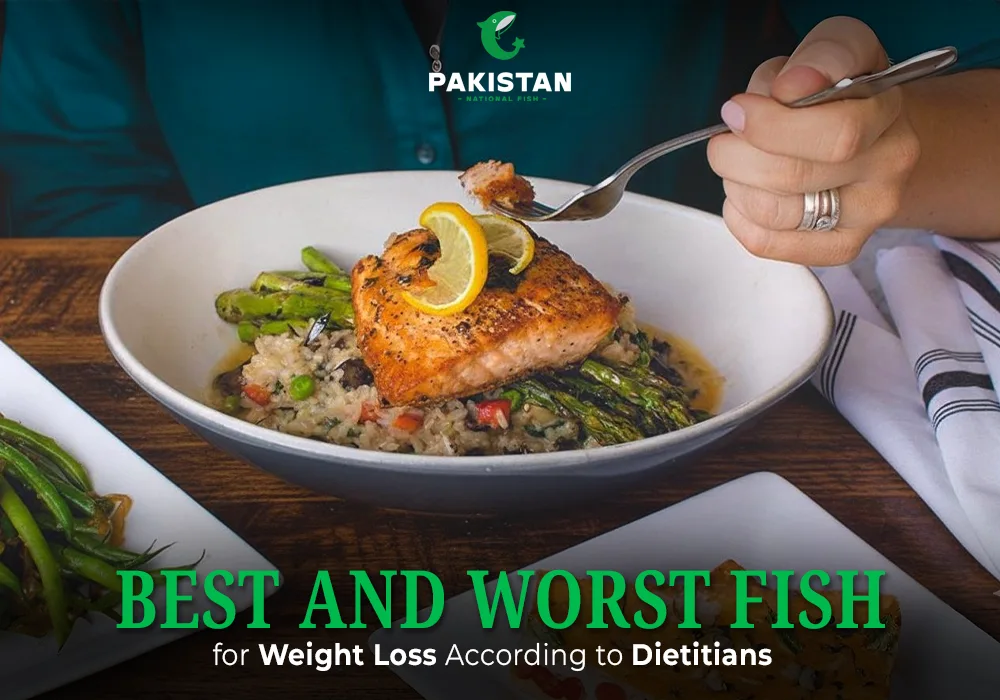
When people search for the best fatty fish for weight loss, they’re usually not looking for perfection; they’re looking for food that actually works in real life. Something filling. Something healthy. Something that doesn’t make weight loss feel like punishment. Fish often comes up in those conversations, but it also creates a lot of confusion. Some fish are fatty, some are lean, some contain mercury, and some are cooked in ways that quietly ruin their health benefits.
So let’s talk about fish the way real people eat it. No extremes. No fear-based advice. Just honest, medically informed guidance you can actually use.
Why Best Fatty Fish Support Weight Loss Without Deprivation
Fish has a unique place in nutrition because it supports weight loss without making you feel deprived. Most fresh fish offers a rare combination of being light on calories while still feeling satisfying.
From a medical perspective, fish helps with weight loss because it:
- It is rich in complete, high-quality protein
- Helps control appetite and hunger hormones
- Supports muscle preservation during fat loss
- Contains healthy fats that reduce inflammation
Many fish are classified as high–protein fish, which means they help you feel full longer. This matters more than people realize. When hunger is under control, weight loss becomes calmer and more sustainable instead of a constant battle.
Fish also supports metabolic health, which is important because weight loss isn’t only about eating less; it’s about how efficiently your body uses energy.
Is Ceviche Good for Weight Loss?
Yes, ceviche can absolutely support weight loss when it’s prepared simply.
Ceviche is made by curing raw fish in citrus juice and mixing it with vegetables like onions, peppers, and herbs. Nutritionally, it’s one of the lightest seafood dishes you can eat.
When made with fresh fish, ceviche is:
- Low in calories
- High in protein
- Naturally low in fat
- Filling without feeling heavy
Dietitians often like ceviche because it delivers protein without oils, butter, or frying. It feels like a full meal but doesn’t leave you sluggish.
The only thing to watch is what you eat it with. Large portions of chips, creamy sauces, or excessive avocado can quietly increase calories. Keep it simple, and ceviche fits beautifully into a weight-loss lifestyle.
Does Seafood Make You Gain Weight?
This question causes a lot of unnecessary fear, so let’s clear it up gently.
Seafood itself does not cause weight gain. Weight gain occurs when full calorie ingestion stays higher than what your body requires. Most seafood, especially low–fat fish, is naturally low in calories.
What usually causes problems is:
- Deep frying
- Heavy breading
- Cream-based sauces
- Oversized portions
Grilled, baked, steamed, or lightly cooked fish supports weight loss. Fried seafood changes the calorie equation, not the fish itself.
Mercury: Why It Comes Up in Weight-Loss Conversations
Mercury is a naturally occurring heavy metal found in water. Fish assimilate it over time, particularly sizeable offensive fish.
From a medical position, long-term influence on broad mercury levels may impact:
- Nervous system
- Thyroid activity
- Hormonal balance
The thyroid assists in modulating metabolism. When thyroid role is discontinuous, weight administration can become difficult over time. That’s why dietitians recommend choosing low mercury fish, particularly if you consume fish regularly.
Do All Fish Contain Mercury?
Yes, most fish contain trace amounts of mercury, but not all fish contain harmful levels.
Smaller, shorter-lived fish tend to contain much less mercury. Larger fish that live longer accumulate more mercury over time.
Choosing low–mercury fish allows you to enjoy seafood frequently without unnecessary health risks.
Best Fish for Weight Loss (Dietitian-Approved)
Salmon
Salmon often scares people because it contains fat, but it’s still one of the best fatty fish for weight loss.
Its omega-3 fatty acids help:
- Reduce inflammation
- Improve insulin sensitivity
- Increase feelings of fullness
When eaten in reasonable portions, salmon supports fat loss rather than weight gain. It’s satisfying, nourishing, and metabolically supportive.
Trout
Trout offers a comfortable balance of protein and healthy fat. It’s rich in vitamin B12 and selenium, nutrients involved in energy metabolism. Many people find trout filling without being heavy.
Sardine
Sardines are small, affordable, and nutritionally dense. They’re naturally low–mercury fish and very filling due to their protein and healthy fat content.
Because they promote satiety, sardines can help reduce cravings later in the day.
Herring
Herring is another fatty fish that supports metabolic health. People often ask about pickled herring calories, and the good news is that pickling doesn’t add fat. Sodium can be higher, so moderation is key.
Sea Bass
Sea bass is lean, mild, and easy to cook. It’s considered a low–fat fish, making it ideal for calorie-controlled diets while still offering quality protein.
Sole Fish
Sole fish is very light and easy to digest. It’s a great option for people who want protein without heaviness, especially during active weight loss phases.
Porgy Fish
Porgy fish doesn’t get much attention, but it deserves it. It provides a strong protein-to-calorie ratio and fits comfortably into balanced weight-loss meal plans.
Fish You Should Limit During Weight Loss
King Mackerel
King Mackerel is nutritious but high in mercury and fat. Frequent consumption may increase mercury exposure, which can interfere with metabolic health.
Large predatory fish like sharks and swordfish fall into the same category and are best eaten rarely.
High Protein Fish vs Low Fat Fish: Which Is Better?
This isn’t about deciding one over another
- High–protein fish supports hunger control and muscular strength
- Low–fat fish maintain calorie consumption easily
The foremost approach is equilibrium. Regarding both throughout the week supports repast comforting without feeling repressing.
What is smash fish and Why Experts Recommend It
You may hear nutrition professionals mention smash fish, which stands for Salmon, Mackerel, Anchovies, Sardines, and Herring.
These fish are:
- Rich in omega-3 fatty acids
- Support heart and metabolic health
- Generally lower in mercury than large predators
They’re excellent choices for weight loss when portion sizes are reasonable.
Why Fresh Fish Matters More Than You Think
Selecting fresh fish over milled seafood forms a perceptible quality.
Fresh fish normally includes:
- Little preservatives
- The least amount of sodium
- Better nutritional value
Prepared fish rarely shrouds extra calories in coatings, oils, and additives. For weight failure, easy is nearly always improved.
Final Thoughts: Eating Fish for Weight Loss without Stress
Fish doesn’t necessarily feel complex or discouraging. When you focus on low mercury fish, balance high protein fish with low fat fish, and include options like salmon, sardines, trout, sea bass, sole fish, and porgy fish, you’re nourishing your body, not fighting it.
Weight loss works top-grade when food feels confirming, not nerve-wracking. Fish, when chosen thoughtfully and prepared simply, fit naturally into a healthy lifestyle.
No fear.
No extremes.
Just better choices, one meal at a time.

