
North Atlantic Cod: Complete Species Guide, Habitat & Nutrition Facts
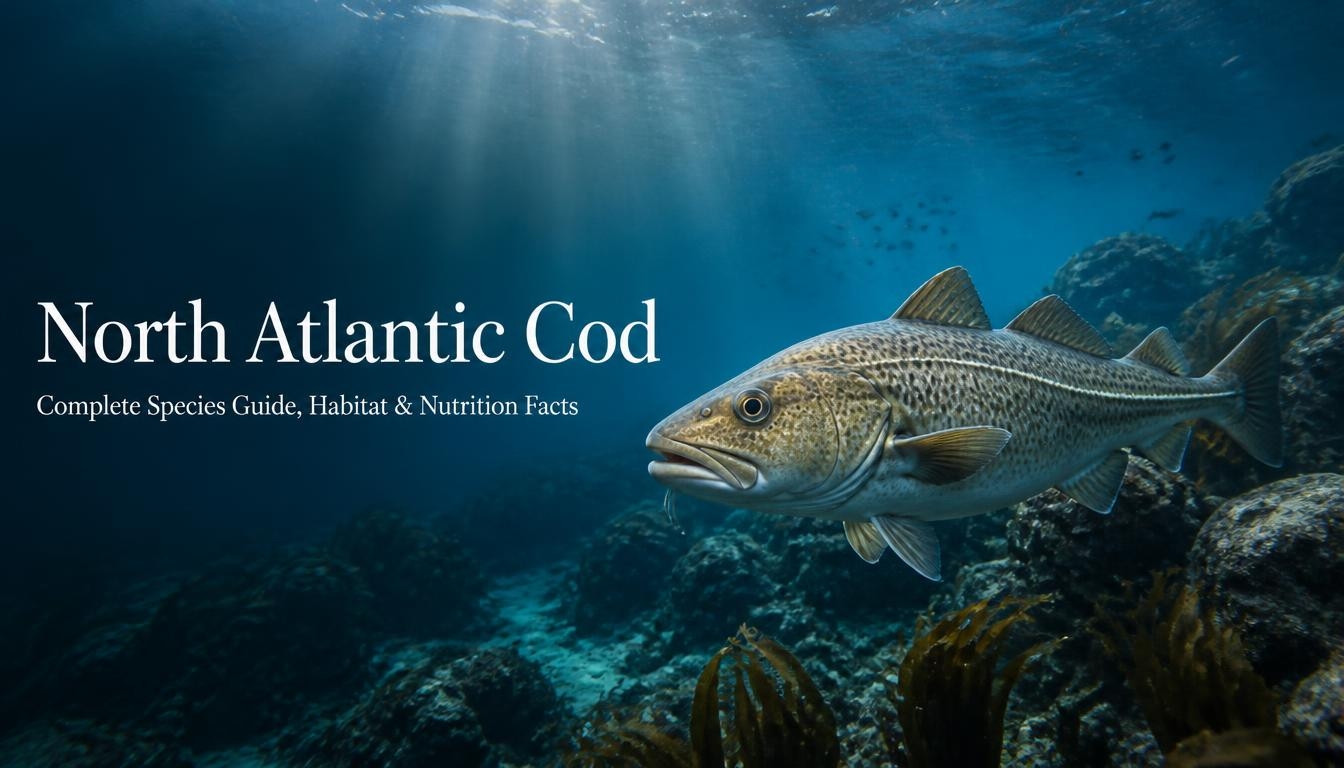
North Atlantic cod is one of the most recognized whitefish species in the world, prized for its mild flavor, flaky texture, and long history as a staple food fish across Europe and North America. While it doesn't swim in Pakistani waters, Atlantic cod regularly appears in supermarkets, restaurants, and imported seafood counters across Pakistan, which means most buyers know the name without knowing much about the fish itself. This guide covers what North Atlantic cod actually is, where it lives, how it behaves, what it offers nutritionally, and how it compares to other whitefish you might find on the same shelf.
What Is North Atlantic Cod?
North Atlantic cod (Gadus morhua) is a cold water marine species belonging to the Gadidae family, the same family that includes haddock and pollock. It has an elongated body, a distinctive barbel (a small whisker like organ) under its chin used to detect prey on the seafloor, and a mottled brown to green coloring with a pale lateral line running down each side. Adult Atlantic cod typically grow between 60 and 100 centimeters, though larger specimens exceeding a meter have historically been recorded before commercial fishing pressure reduced average sizes.
The species is bottom dwelling, or demersal, meaning it spends most of its life near the seafloor rather than in open water. This habit shapes both its diet and the way it's commercially caught, usually via bottom trawling or longline fishing.
Habitat and Range of Atlantic Cod
North Atlantic cod is found, as the name suggests, across the North Atlantic Ocean. Its range stretches from the coasts of North America, including the Gulf of Maine and the Grand Banks off Newfoundland, across to the waters of Iceland, Norway, the Barents Sea, and the North Sea near the UK and Scandinavia.
Cod prefer cold, temperate waters, typically between 0°C and 12°C, and are usually found at depths ranging from shallow coastal waters down to around 600 meters, though they're most commonly caught between 150 and 200 meters. Different regional populations, or stocks, behave somewhat differently: some undertake long seasonal migrations between feeding and spawning grounds, while others remain relatively local year round.
North Atlantic Cod Life Cycle and Behavior
Atlantic cod can live up to 20 25 years in the wild, though most fish caught commercially are considerably younger due to fishing pressure. Growth rate depends heavily on water temperature and food availability, with cod in warmer, food rich areas maturing faster than those in colder northern waters.
Feeding Habits
Cod are opportunistic predators. Juveniles feed mainly on small crustaceans and plankton, while adults shift to a diet of smaller fish such as capelin and herring, along with crabs, shrimp, and mollusks. This adaptable diet is part of why cod populations have historically been so abundant across such a wide range.
Reproduction and Spawning
Female Atlantic cod are highly fecund, capable of releasing anywhere from hundreds of thousands to several million eggs in a single spawning season, depending on the size and age of the fish. Spawning typically occurs in late winter to spring, with eggs and larvae drifting in open water before juveniles settle toward the seafloor as they mature. This high reproductive output is one reason cod stocks can rebound relatively quickly under good management, though the same trait doesn't protect against sustained overfishing.
Nutritional Profile of North Atlantic Cod
One reason North Atlantic cod remains popular worldwide is its nutritional profile. A typical 100 gram cooked serving of Atlantic cod provides:
• Roughly 90 100 calories
• About 20 22 grams of lean protein
• Less than 1 gram of fat
• A good source of vitamin B12, selenium, phosphorus, and iodine
• Moderate omega 3 fatty acid content (lower than oily fish like salmon, but still beneficial)
Because it's low in fat and calories while high in protein, cod is frequently recommended in weight management and heart healthy diets. It's also low in mercury compared to larger predatory fish, making it a reasonably safe choice for regular consumption, including for pregnant women within recommended serving guidelines.
North Atlantic Cod vs Other Whitefish
Buyers often confuse Atlantic cod with other similarly priced whitefish. Here's how it compares:
Feature | North Atlantic Cod | Haddock | Pollock |
Texture | Firm, large flakes | Slightly finer flakes | Softer, smaller flakes |
Flavor | Mild, slightly sweet | Mild, slightly sweeter than cod | Very mild, neutral |
Fat content | Very low | Very low | Very low |
Typical price point | Mid to high | Mid | Lower |
Common uses | Fish and chips, baked fillets | Fish and chips, smoked | Fish sticks, processed fillets |
Cod's firmer flake holds up better to high heat cooking methods like frying and grilling, which is part of why it remains the preferred choice for dishes like classic British fish and chips.
Cooking and Buying North Atlantic Cod
When buying North Atlantic cod, whether fresh or frozen, look for firm, translucent flesh without a strong fishy odor, and avoid fillets with excessive liquid pooling in the packaging, which can indicate poor handling or repeated freezing. Frozen cod, when flash frozen shortly after catch, retains nutritional quality comparable to fresh fillets and is often a more practical option for buyers outside the fish's native range.
Cod's mild flavor and firm texture make it versatile in the kitchen. It bakes well with simple seasoning, holds together during pan frying, and is sturdy enough for stews and chowders without falling apart. Overcooking is the most common mistake, since cod's low fat content means it dries out quickly past the point of opaque, flaky doneness.
Frequently Asked Questions
Is North Atlantic cod the same as regular cod?
"Cod" is a general term covering several related species, but North Atlantic cod (Gadus morhua) is the specific species most commonly sold under the name "cod" in North American and European markets. Pacific cod is a related but distinct species.
Is North Atlantic cod healthy to eat?
Yes. It's a lean source of high quality protein, low in saturated fat, and provides useful amounts of vitamin B12, selenium, and iodine, making it a solid choice for most balanced diets.
How can you tell if Atlantic cod is fresh?
Fresh cod should have firm, moist, translucent flesh, a mild ocean smell rather than a strong fishy odor, and clear, non cloudy eyes if bought whole.
Is North Atlantic cod sustainable?
Sustainability varies significantly by fishing region and stock. Some populations, like Icelandic and Norwegian cod, are considered well managed, while others, such as certain Gulf of Maine stocks, have faced serious depletion. Checking for sustainability certifications when buying is a reliable way to choose responsibly sourced cod.
What does North Atlantic cod taste like?
It has a mild, slightly sweet flavor with a firm, flaky texture, making it less "fishy" tasting than oilier species like mackerel or sardines.
Can you substitute Atlantic cod in recipes calling for other whitefish?
Yes, cod substitutes well for haddock, pollock, or halibut in most recipes, though cooking times may need slight adjustment since cod's texture and thickness can differ from these alternatives.
Conclusion
North Atlantic cod earns its popularity honestly: a mild flavor, firm texture, and strong nutritional profile that suits everything from a simple weeknight bake to classic fish and chips. Whether you're buying it fresh, frozen, or exploring how it stacks up against haddock and pollock, understanding the fish behind the fillet makes for better choices at the market. For more on how Atlantic cod compares to other popular fish, check out our guides on "Halibut vs Flounder" and "Is Trout Healthy to Eat," or browse our full Fish Species & Guides library for more species profiles.