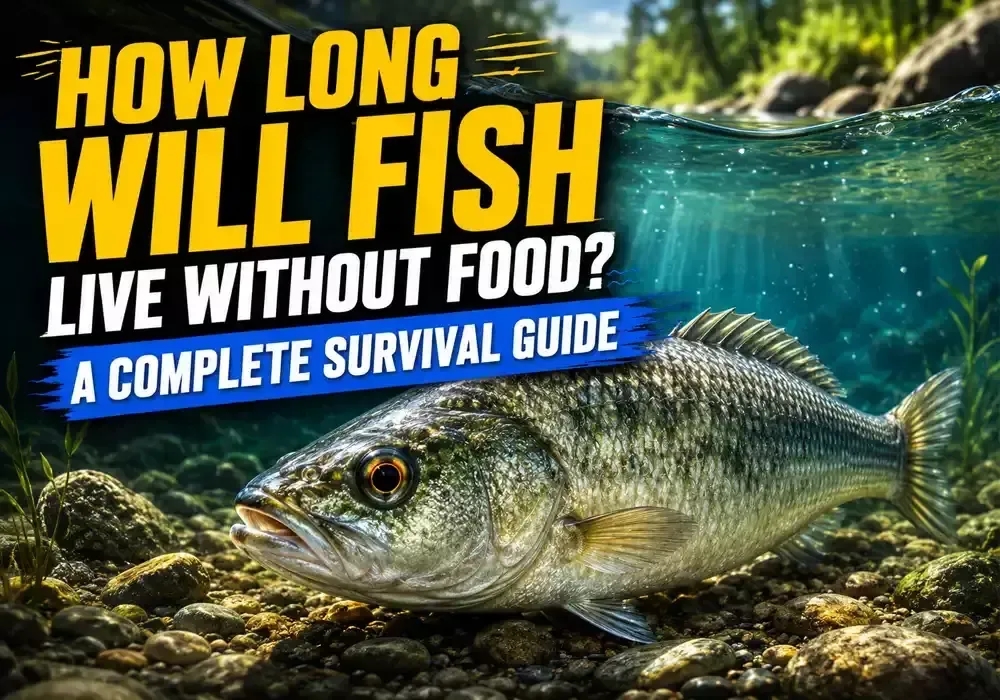
The usual “no feed” period for fish would be a few days to a few weeks, depending on the fish species, age, size, condition, water quality, and fish energy reserves.
With proper conditions, a few tough fish can survive for weeks or months, but how long will fish live without food healthy fish over 12 months will only last 7–14 days off feed. But, if they skip meals for long periods of time, they can suffer a decrease in the immune system, growth, and health.
Fish owners can use this information on fish that are not managing their fish during a crisis, vacation, or unexpected feeding issues, to keep their fish healthy and happy all the time.
How Long Can Fish Live Without Eating?
The length of time fish how long will fish live without food varies by species, metabolic, energy storage, and feeding requirements vary among all fish. Some of these can be fed on larder days, while others may need to be fed regularly for good health.
Fish can vary in how long they can go without eating. Fish do not have the same level of metabolic and energy storage, nor do they have the same feeding requirements.
| Fish Type | Average Survival Without Food |
| Small tropical fish | 3–7 days |
| Common aquarium fish | 7–14 days |
| Goldfish | 2–3 weeks |
| Betta fish | 7–14 days |
| Large predatory fish | Several weeks |
| Wild freshwater fish | Weeks to months (depending on conditions) |
How Long Can Fish Survive Without Food?
Indeed, the question “How long can fish live without food?” comes to the minds of many fish owners. This will vary with the species, environment, and feeding history.
An adult fish, if well fed, stores energy, which will allow it to live for a short time without feeding. But small fish, breeding fish, and fish with high metabolic rates need frequent feeds as energy is utilized quickly.
For example:
- Goldfish can survive for 2-3 weeks without food if healthy and grown.
- A betta fish can live for 1-2 weeks, but it could impact the betta’s health.
- Some carp and catfish are large freshwater fish that may be able to survive for extended periods.
- Generally, the smaller tropical fish are affected earlier as they have less stored energy.
The fish survival timeline is not set in stone, as each fish has different nutritional requirements.
Fish Survival Timeline Without Food
Here’s what typically occurs when fish don’t get fed.
Time Without Food | What Happens | ||
First 1–3 days | Fish use stored energy and usually show no visible problems | ||
3–7 days | Hunger increases, activity may decrease, and feeding behavior changes | ||
1–2 weeks | Weight loss begins, stress increases, and immunity may weaken | ||
2–4 weeks |
| ||
One month or longer | Severe starvation can cause organ damage and death |
The Factors Which Influence Fish Survival In The Absence Of Food
1. Fish Species
There are different types of fish and different species have different survival capacities.
For example:
- Carp may be able to fast longer.
- Smaller tropical fish need to be fed more often.
- Predatory fish survive longer in nature, as they do naturally have intervals between meals.
2. Age and Size of Fish
Adult fish can go for longer without eating than juvenile fish because they are still growing; young fish need to be fed frequently:
- Bones
- Muscles
- Organs
- Immune defenses
3. Water Temperature
The fish metabolism is directly affected by temperature.
In warmer water:
- Fish expend their energy more quickly.
- They require additional feeding.
- Starvation occurs sooner.
In cooler water:
- Metabolism slows.
- Fish have lower energy costs.
- They might be able to live on for longer without eating.
4. Fish Health Before Starvation
Healthy, well fed fish have a greater survival rate than weak or sick fish. Fish can suffer from: poor diet, disease and stressful conditions.
- Faster weight loss
- Reduced immunity
- Some people report not being able to recover from starvation.
5. Water Quality
Survival of fish depends upon clean water. Stress is exacerbated and effects of starvation are further compounded by poor water conditions.
Important factors include:
- Oxygen levels
- Ammonia levels
- Water temperature
- PH balance
- Tank cleanliness
If the fish is not eating, it will survive for some time, but in poor water quality, for a short time.
When There Is No Food: What Changes Does the Fish's Behavior Undergo?
Fish are more likely to alter their activity when they are hungry. These indications will alert the owner to the presence of hunger or stress in the fish. Without food, common fish behaviors are:
Increased Searching Activity
Fish can continuously move around in the tank for food. May venture into corners, look around near plants, or remain near feeding areas.
Aggressive Feeding Response
Hungry fish could be more aggressive when feeding or quick to rise.
Hiding More Often
Weak fish may hide as a result of their low energy level due to starvation.
Fish Starvation Symptoms
Early detection of fish starvation signs can help avoid major health issues. Common signs include:
Symptom | Explanation |
Weight loss | The body uses stored fat and muscle for energy |
Sunken belly | Common sign of prolonged lack of nutrition |
Weak swimming | Reduced energy levels |
Loss of color | Stress and poor health may affect appearance |
Reduced appetite | Long starvation periods can affect the feeding response |
Increased hiding | Fish become less active to save energy |
If the above symptoms are shown, don’t feed the fish too much in one go. After fasting, sudden binges may result in digestive issues.
Fish Survival Without Food: Species Comparison
Fish Species | Average Survival Without Food | Reason for Survival Ability |
Goldfish | 2–3 weeks | Slow metabolism and strong adaptability |
Betta Fish | 7–14 days | Can tolerate short fasting periods |
Guppy | 7 days | Small body size requires regular nutrition |
Molly Fish | 7–14 days | Hardy species with moderate metabolism |
Platy Fish | 7–14 days | Adaptable freshwater fish |
Zebra Danio | 7–10 days | Active fish with faster metabolism |
Neon Tetra | 5–7 days | Small size means limited energy storage |
Angelfish | 1–2 weeks | Moderate survival ability |
Discus Fish | 5–10 days | Sensitive species needing stable nutrition |
Oscar Fish | 2–3 weeks | A larger body stores more energy |
Koi Fish | Several weeks to months | Slow metabolism in cooler water |
Common Carp | Several weeks | Naturally adapted to changing food availability |
Catfish | Weeks | Bottom feeders with flexible diets |
Pleco | 1–2 weeks | Can use algae and plant matter sources |
Guppy Fry | Few days | Requires frequent nutrition for growth |
Cichlids | 1–3 weeks | Strong and adaptable species |
Arowana | Several weeks | Large body stores significant energy |
Clownfish | 1–2 weeks | Moderate fasting ability |
Lionfish | Weeks | Slow metabolism and predatory nature |
Salmon | Weeks | Natural survival adaptations |
Trout | Days to weeks | Depends on the temperature and condition |
Tilapia | Weeks | Hardy freshwater species |
Mahseer | Weeks (depending on conditions) | Strong river fish adapted to changing environments |
Arapaima | Several weeks | Large size and energy reserves |
Pufferfish | 1–2 weeks | Moderate fasting tolerance |
Swordtail Fish | 7–14 days | Similar to other community fish |
Gourami | 1–2 weeks | Hardy tropical species |
Tang Fish | Several days | Requires regular feeding due to active nature |
Marine Goby | Days to weeks | Depends on species and environment |
Note: These are general estimates. Fish survival on an individual basis is related to health, age, water quality, temperature, and preformed conditions.
Wild Fish Vs Aquarium Fish: Survival Differences
Wild fish survival rate is significantly different from the aquarium fish survival rate when no food is provided.
- Small insects
- Algae
- Plants
- Small aquatic organisms
- Natural microorganisms
However, aquarium fish are highly dependent on their owners because their environment is restricted.
Factor | Wild Fish | Aquarium Fish |
Food availability | Can search for natural sources | Depends on the owner’s feeding |
Environment | Larger natural habitat | Limited tank space |
Adaptability | Usually higher | Depends on species |
Survival during a shortage | Often longer | Usually shorter |
Stress levels | Lower if the ecosystem is balanced | Higher if tank conditions change |
In the case of species like Mahseer, that play an important role in the river system of Pakistan, there are several natural food sources which will support their survival. Safeguarding these habitats is vital to a balanced stock of fish.
Can Starvation Cause Fish to Recover?
Yes, fish can live without eating for a short while if they are not sick, and if the period of starvation is not too long.
Recovery, however, must be done with care. A fish is not as active when it hasn’t eaten for a few days, or even a few weeks. Too much food at one time can put more stress.
Recover by doing the following:
1. Feed small meals
2. Provide High-Quality Food
These could be:
- Quality pellets
- Frozen foods
- Live foods (where appropriate)
- Species-specific diets
3. Monitor Fish Behavior
Symptoms of a healthy recovery are:
- Increased swimming activity
- Better appetite
- Normal body shape
- Improved color
4. Ensure Excellent Water Quality
The Effect Of Starvation On Fish Health
Starvation can lead to several fish health issues. Food is necessary for growth, energy, and disease resistance.
Fish deprived of sufficient nutrition may suffer from:
Reduced Growth
Young fish might not develop normally as they do not have the nutrients in their body.
Muscle Loss
When in a state of starvation, fish start to utilize their body resources, such as fat and muscle tissue.
Reproductive Problems
Long-term food shortages for adults can have an impact on their ability to reproduce.
Increased Disease Risk
Fish that are malnourished are more prone to be affected by parasites and infections.
Tips For Vacation Feeding: Maintaining Fish Health While Away
Fish owners start getting worried while away because of their desire to give food to their dear fishes. The adult fish, however, being healthy, are usually able to live for short periods without feeding.
Before leaving:
Prepare and feed in advance
Avoid overfeeding fish before departure. Additional food may contaminate the water and bring about dangerous conditions.
Use Automatic Feeders
When you’re out for extended periods, automatic feeders can control the amount of food that is given.
Seek expert advice on getting help
If it’s a lengthy excursion, have someone knowledgeable about fish care visit the aquarium.
Test Water Quality
Before leaving, ensure:
- Filters are in good working order
- The water parameters are stable.
- Temperature is suitable
- Tank is clean
How Frequently Should Fish Be Fed?
Fish Type | Feeding Frequency |
Adult aquarium fish | Once or twice daily |
Young fish | Multiple small meals daily |
Goldfish | 1–2 times daily |
Betta fish | Once or twice daily |
Predatory fish | Depends on species and size |
Herbivorous fish | Frequent plant-based feeding |
A stable feeding schedule will keep them from getting too much or too little.
Some Common Feeding Mistakes To Avoid
Proper feeding of fish is one of the most important aspects of fish keeping. Many fish owners may wonder how long their fish can go without being fed, but overfeeding is one of the common problems that can be encountered with regard to fish health.
Excessive feeding can cause water quality problems, and underfeeding can cause health issues if it occurs over long periods of time.
Here are some frequent feeding errors to steer clear of:
1. Overfeeding Fish
Many fish owners think that an empty fish needs more food. However, fish may respond to food when they are full.
If an overfeeding occurs, the following can result:
- Dirty aquarium water
- Increased ammonia levels
- Algae growth
- Digestive problems
- Higher disease risk
The general guideline is to only offer your fish what they will eat in a matter of minutes.
2. Wrong Type of Food
Various types of fish require various diets.
For example:
- Plants are the food source for herbivorous fish.
- Carnivorous fish need a diet high in protein.
- Specialized tropical fish pellets or flakes may be required.
The improper use of food may result in nutritional deficiencies and lower the fish’s resistance.
3. Irregular Feeding Schedule
Fishes prefer a consistent environment with a regular schedule; this helps them maintain:
- Healthy metabolism
- Proper growth
- Normal activity levels
4. Giving Too Much Food Before a Trip
A common error is to give too much food before travelling. Fish don’t have much fat in their bodies. Rather, uneaten food can spoil and contribute to water pollution.
A better way is:
- Feed as usual before departure.
- If necessary, feed using an automatic feeder.
- When you are traveling for a long time, have someone watch the aquarium.
5. Ignoring Fish Behavior
Feeding changes can be signs of issues.
Pay attention to your fish:
- Stop eating
- Hide frequently
- Swim unusually
- Lose weight
- Show less activity
These signs can represent starvation, stress, or another health problem.
Effective Strategies For Maintaining Fish Health During Food Shortages
Keep Water Conditions Stable
Aquatic conditions reduce fish stress and conserve fish energy.Maintain:- Proper filtration
- Adequate oxygen
- Suitable temperature
- Clean surroundings
Avoid Unnecessary Disturbance
In times of food shortages, do not eat:- Moving fish unnecessarily
- Complete aquarium change out
- Tank mates
Consider using natural food sources if possible
Small food items that are available naturally in some aquariums include:- Algae
- Plant material
- Small microorganisms
FAQs
- How many days will fish live without being fed?
Most healthy, adult aquarium fish can live 7-14 days without eating, and some are bigger and tougher. Most healthy, adult aquarium fish will survive 7-14 days without feeding, and others will be bigger and tougher and can live for several weeks. The species, age, health, water quality, and temperature are all factors of survival.
- What are some of the signs of starvation in fish?
The normal indicators of fish starvation include weight loss, a hunched back, reduced activity, poor swimming speed, loss of color, and hiding. Early diagnosis leads to serious health problems from being avoided.
- Is it possible for fish to come back from starvation?
Yes, fish can recover from short-term starvation if they are cared for properly after the starvation. Offer them the proper healthy food in small quantities; do not overfeed them; keep the water clean so that they can get their energy and health back.
- Does the temperature influence the fish’s longevity without food?
Yes. As the temperature rises, fish will consume more energy – that is, they are more active. Lower temperatures will decrease metabolism and can prolong survival, but extreme temperatures can cause further stress.
Final Thoughts:
Fish owners can use this knowledge about the period to help in decision making during no food situations like holidays, feeding problems, and emergencies.
Some fish will be able to live for some time without food, but people who are inactive for longer periods of time may have other health issues, lose weight, and have a weakened immune system.
Each species has a particular diet and some particular behavior requirements which need to be known to accommodate your fish. Balanced nutrition, clean water, and good care result in improved health and longevity in aquarium species and water species.
It will be useful in conserving aquatic ecosystems and for maintaining the survival of important species like Mahseer in their natural water courses of Pakistan.