
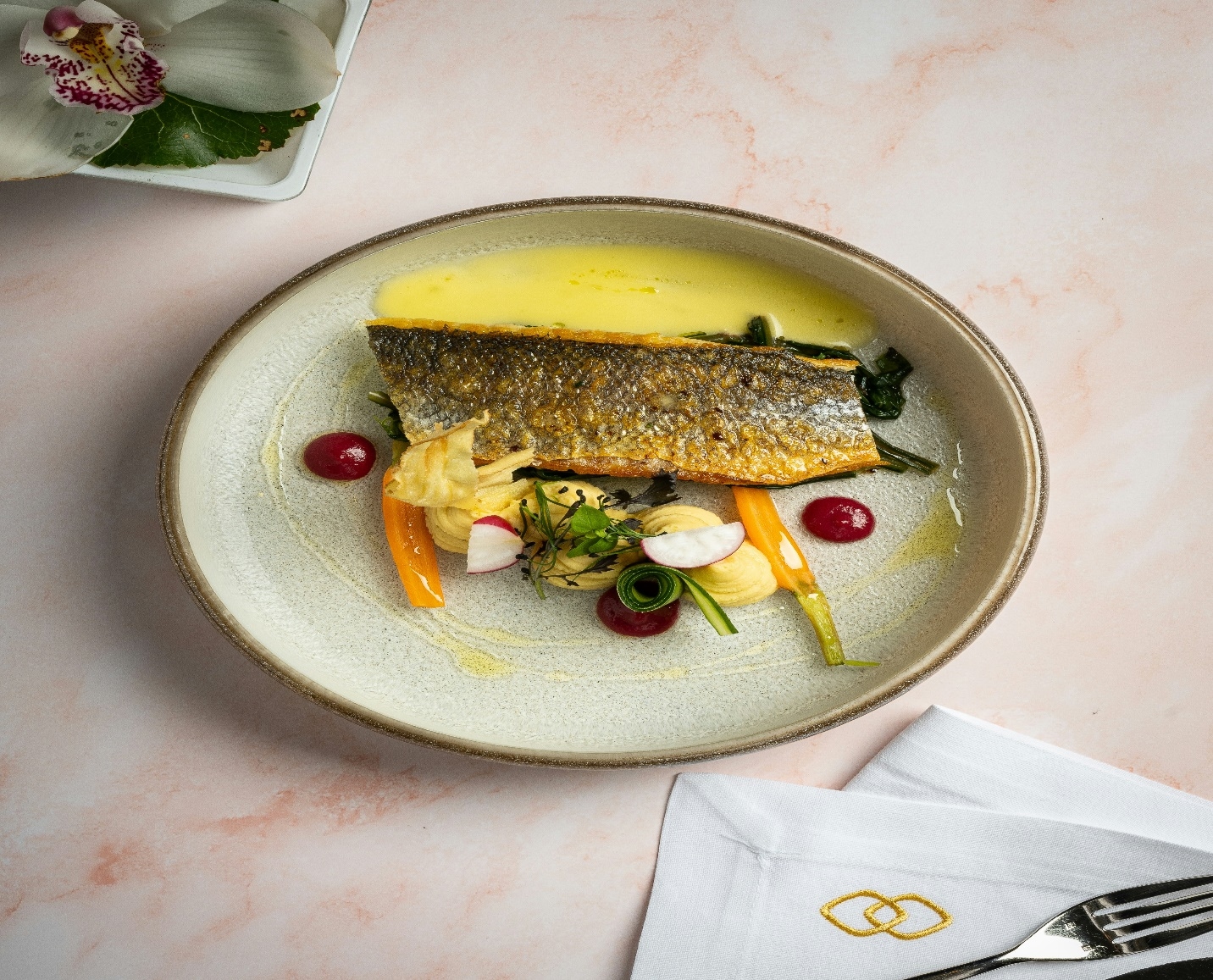
Is trout healthy? Yes, eating trout is healthy. Low mercury content, contains plenty of omega 3s, and is safe for most to eat 2, 3 times weekly.
However, the answer to the question, "Is trout safe to eat?" is not the same for everyone. The mercury facts must also be known by pregnant women, young children, and heavy fish eaters.
This guide explains trout mercury levels and what that means, any actual health risks, and the comparison between trout and other types of fish. Exactly what you need to choose.
What Is Making The Trout Healthy?

Trout isn't only safe. It's really nutritious. A typical 3 ounce serving of rainbow trout, cooked, provides these nutrients:
Nutrient | Amount | Why It Matters |
|---|---|---|
Protein | ~20 g | Builds and repairs muscle |
Omega 3 fatty acids | ~1 g | Supports heart and brain health |
Vitamin B12 | 125% DV | Boosts energy, nerve function |
Vitamin D | 20% DV | Strengthens bones, immunity |
Potassium | 450mg | Regulates blood pressure |
Calories | ~130 | Lean, low calorie protein source |
This is why trout is such a common fish on "healthy fish" lists. It is a compact, low calorie package that's loaded with nutrients.
Trout and Heart Health
Trout contains omega 3s that help reduce triglycerides. They also decrease inflammation in blood vessels.
The American Heart Association recommends eating two servings of fish per week. Trout does very well with that guideline.
Trout And Brain Function
Omega 3s are not only beneficial for the heart. They also assist brain cells in their structure.
Regularly consuming omega 3s has been associated with better memory and reduced age related memory loss. Trout is one of the less expensive means to obtain that benefit.
Trout for Weight Management
Lean and filling trout. A 3oz portion provides 20g of protein at approximately 130cal.
This protein to calorie ratio will help you go longer between meals. If you're on a calorie controlled diet, it's a good alternative for getting real nutrients.
Is Trout High in Mercury?
One of the lower mercury fish is No. Trout.
Mercury accumulates in fish throughout their life. The more predator fish grow, the longer they live, the more they will get.
Trout are smaller in size and shorter lived. This helps to maintain low levels of mercury in their bodies, as compared to the ocean predators.
Trout Mercury Levels: The Actual Numbers
According to FDA and EPA testing data, average mercury levels look like this:
Fish Type | Mercury Level (ppm) | Risk Category |
|---|---|---|
Rainbow Trout (farmed) | 0.01–0.05 | Low |
Freshwater Trout (wild) | 0.05–0.10 | Low |
Salmon | 0.02–0.09 | Low |
Tilapia | 0.01–0.05 | Low |
Tuna (canned light) | 0.13 | Moderate |
Tuna (albacore) | 0.35 | Moderate High |
Swordfish | 0.99 | High |
King Mackerel | 0.73 | High |
Shark | 0.98 | High |
Trout is in the "low mercury" tier. In fact, it is safer than most of the tuna that is eaten weekly.
Mercury In Fish List: Where Trout Ranks

Not all fish carry the same risk. Seafood is classified by health agencies into three easy categories.
Best choices (2 to 3 times a week):
- Trout
- Salmon
- Sardines
- Anchovies
- Tilapia
- Catfish
Good choices (1 serving/week)
- Canned light tuna
- Halibut
- Snapper
- Mahi mahi
Limiting/avoiding choices:
- Shark
- Swordfish
- King mackerel
- Tilefish (Gulf of Mexico)
- Bigeye tuna
Trout finishes in the top tier. It's because of this that nutritionists highly recommend it.
Fish Mercury Health Risks: What Actually Happens
So what happens when a person eats a lot of mercury contaminated fish?
Mercury is a neurotoxic chemical. Over time, too much of this can cause harm to the nervous system.
It's not a single meal that poses a risk, but the cumulative effect of the long term build up. High exposures are the risk, because mercury is slowly eliminated from the body.
Some Individuals Need To Take Extra Care
Mercury exposure is more dangerous for some groups:
- Pregnant and breastfeeding women
- Children under 12
- Women planning pregnancy
- People who eat fish every day over the years
Mercury may cause damage to fetal brain development. That is why doctors prescribe certain guidelines for pregnant women about fish.
Symptoms of Mercury Buildup
Exposure to high levels of mercury may lead to:
- Loss of feeling in the hands or feet
- Muscle weakness
- Trouble with coordination
- Problems with remembering or focusing attention
- Vision changes
These symptoms are unusual and typically associated with the consumption of high mercury fish and for years. This will not result from occasional meals of trout.
Why Trout Avoids These Risks
Mercury exposure is a math problem and not a fish problem. It's a cumulative amount over time.
Trout is already at a low baseline level of mercury and if it were to become an issue, one would have to eat very high levels of it, regularly, for many years. That's not the outcome for nearly anybody.
Is Trout Safe to Eat During Pregnancy?
Yes. Trout is on the FDA's "Best Choices" list for pregnant women.
FDA and EPA advise pregnant women to eat low mercury fish per week. There is no need to be concerned about trout.
Just be sure it is thoroughly cooked. There are other bacterial risks in raw or undercooked fish, besides the risk of mercury poisoning.
Are Farmed Trout And Wild Trout Different With Respect To Mercury Levels?

Trout raised on farms tend to contain a little more mercury than wild trout.
This is because farmed trout are fed controlled feed. Wild trout will feed on whatever is present in their native waters and this is dependent on each region.
Either way, they are both classified as low mercury. The difference is not significant enough to sway your purchasing decision.
Where Wild Trout Is Caught Matters
Polluted and industrial waters can have a higher concentration of contaminants in trout. This can be more than mercury — it can be other pollutants as well.
When fishing for trout, follow local fish advisories. Numerous states have water specific safety information.
Another Indicator Is Farm Raised Quality
Not all trout farms are equal. Water is tested regularly on regulated farms, and feed is regularly tested.
If you are purchasing trout, check with the supplier to make sure they are transparent about their sourcing methods. It is true for all types of buyers – local consumers in the US, Pakistan and elsewhere with a developing aquaculture sector.
How To Add Trout To A Healthy Diet
Trout is an easy to prepare and versatile fish. These are some tips for getting the most nutrition out of it:
- Bake or grill it. Frying adds unnecessary fat and calories
- Serve as a side dish with vegetables, which not only balances the meal but also provides fibre
- Eat it 2 3 times per week – which is the recommended amount for heart health, without excess mercury
Change the type of fish you eat. Rotate trout with salmon, sardines, and tilapia.
Farmed trout from regulated farms are more likely to be of good quality.
Trout vs Other Popular Fish: Quick Comparison
Factor | Trout | Salmon | Tuna | Tilapia |
Mercury Level | Low | Low | Moderate High | Low |
Omega 3s | High | Very High | Moderate | Low |
Protein (per 3oz) | 20g | 22g | 25g | 21g |
Price | Moderate | Higher | Moderate | Lower |
Best For | Weekly meals | Heart health | Occasional meals | Budget meals |
Trout is a viable competitor to salmon in terms of nutrition and is sometimes less expensive.
The Final Word On Trout Safety
One of the safest and healthiest fish to regularly eat is trout. Low in mercury but high in nutritional value. Assuming you aren't consuming excessive amounts of wild trout from a contaminated source, mercury isn't a concern.
Frequently Asked Questions
Is trout healthy to eat every week?
Yes. The normal guidelines for heart health (two to three servings of trout each week) are still within safe limits of mercury.
Does trout have more mercury than tuna?
No. Trout contains much less mercury than most types of tuna, such as canned light and albacore.
Is it safe for pregnant women to eat trout?
Yes. Trout is a "Best Choice" fish for pregnant and breastfeeding women, according to the FDA, when fully cooked.
Are farmed trout better than wild trout?
Both are very low in mercury. Farmed trout is slightly lower, but it's not a significant difference.
Which fish should I steer clear of due to mercury?
Shark, swordfish, king mackerel, and bigeye tuna should be avoided. These are the highest mercury containing seafoods.
What's a good amount of trout to eat per week?
Most health guidelines recommend a limit of 2–3 servings of fish per week. Consumption of trout at this level will not result in any serious mercury exposure.
Conclusion
Trout is a fish that has a reputation for being healthy. Low in mercury, rich in omega 3s, and convenient for a weekly diet. Trout is one of the safer options compared to other fish such as tuna or swordfish. With moderate serving sizes, kids and everyday eaters can enjoy it without worry.
The true health threat from mercury is from consuming high levels of mercury in fish over the years, not from the trout you eat tonight. For maximum nutritional benefit, try pairing trout with diverse meals, and be sure to cook it thoroughly.