
Why Is Hamachi Fish the Star of Japanese Cuisine in 2025?
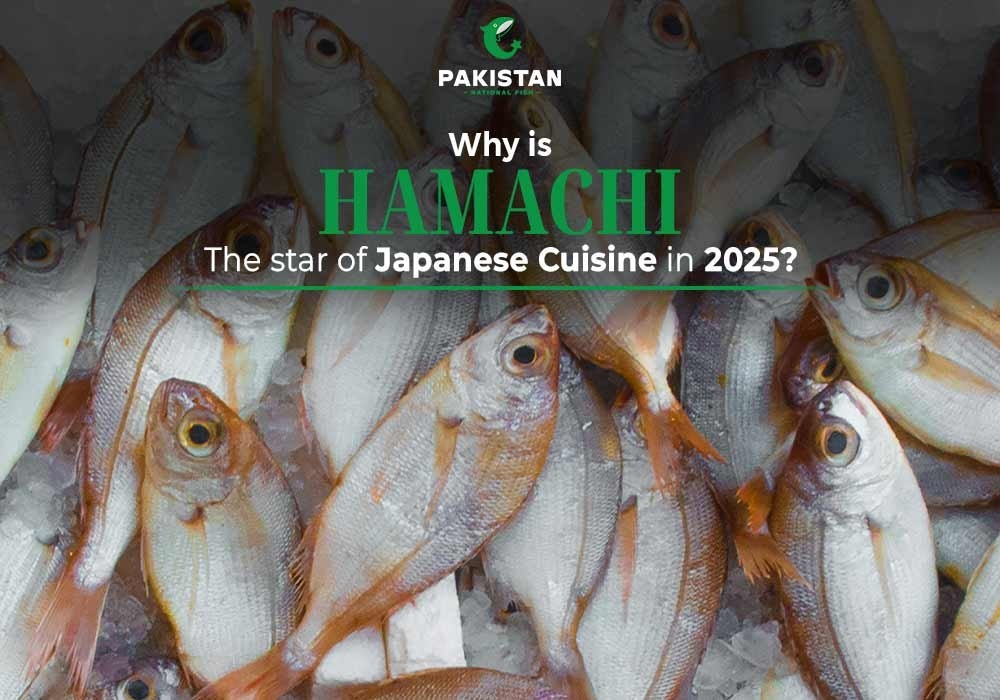
In the vibrant world of Japanese seafood, the
Japanese Yellowtail Amberjack Fish
—known as
Hamachi Fish
—stands out as a culinary gem. Whether you're a sushi aficionado or a curious diner, understanding the allure of Hamachi offers a deeper appreciation for this delicacy.
Table of Contents
What Is Hamachi?
Hamachi
refers to the young Japanese Amberjack, scientifically known as
Seriola quinqueradiata
. In Japan, the fish is called
Hamachi
when young and
Buri
when mature. This fish is native to the northwest Pacific Ocean and is a staple in Japanese cuisine.
Names for Hamachi in Different Regions:
NameRegionStage of GrowthHamachiJapan (common)Young (up to 2 years)BuriJapan (winter)Adult (over 2 years)YellowtailU.S. & GlobalMarket name
How Does Hamachi Taste?
Hamachi boasts a rich, buttery flavor with a delicate sweetness. Its high-fat content gives it a melt-in-the-mouth texture, making it a favorite for sushi and sashimi enthusiasts. The taste is often compared to that of the finest tuna, offering a luxurious experience with each bite.
What Is Hamachi Sushi?
Hamachi sushi features thin slices of raw yellowtail placed atop vinegared rice, known as
nigiri
. The fish's buttery texture and subtle flavor make it a sought-after choice in sushi bars worldwide. It's also commonly served as
sashimi
, where the fish is enjoyed without rice, highlighting its pure taste.
Why Is Hamachi So Popular in Sushi?
Hamachi is a sushi superstar because of:
✔ Buttery texture – Melts in your mouth
✔ Mild sweetness – Less fishy than tuna
✔ Rich fat content – Perfect for toro Hamachi (fatty cut)
Hamachi Roll Sushi & Other Dishes
- Hamachi sashimi (thinly sliced)
- Hamachi nigiri (on pressed rice)
- Hamachi roll (with avocado, cucumber)
What Is a Hamachi Roll?
A Hamachi roll, or
Negihama Maki
, combines chopped yellowtail with scallions, rolled in seaweed and rice. The freshness of the scallions complements the rich flavor of the Hamachi, creating a balanced and flavorful roll that's both refreshing and satisfying.
What Are the Health Benefits of Yellowtail?
Yellowtail is not only delicious but also nutritious. It's a great source of omega-3 fatty acids, which are essential for heart health and brain function. Additionally, it provides high-quality protein and essential vitamins and minerals, making it a healthy addition to your diet.
Why Is Japanese Fish So Highly Regarded?
Japanese fish, including Hamachi, are renowned for their freshness and quality. Traditional techniques like
ikejime
, which involves a precise method of killing the fish to preserve its flavor and texture, contribute to the superior quality. Moreover, Japan's commitment to sustainable fishing practices ensures that the fish are not only delicious but also responsibly sourced.
What Is the Most Eaten Fish in Japan?
While tuna and salmon are popular, the Japanese Yellowtail, or
Buri
, holds a special place in Japanese cuisine. It's especially favored during the winter months when the fish is at its fattest and most flavorful.
Buri
is often enjoyed in various preparations, from sushi and sashimi to grilled dishes.
Where Can You Find Buri Fish in the U.S?
Buri fish, known as Hamachi in its younger form, is widely available in the U.S., especially in Japanese restaurants and specialty seafood markets. It's often imported from Japan, ensuring authenticity and quality. With the growing popularity of Japanese cuisine, many sushi bars across the country feature Hamachi prominently on their menus.
Hamachi vs. Buri: What’s the Difference?
While both come from the same fish (Seriola quinqueradiata), the names differ based on age:
- Hamachi = Young, farmed (softer, fattier)
- Buri = Wild, mature (firmer, stronger flavor)
Where to Find Buri Fish Sale in the US?
Specialty seafood markets and high-end Japanese restaurants often sell Buri fish, especially during winter when it’s in peak season.
Hamachi in Japanese Culture & History
- Symbol of Winter: Buri (adult Hamachi) is a winter delicacy in Japan.
- Cultural Significance: Eaten during celebrations for good luck.
- Farming Boom: Japan perfected Hamachi farming, ensuring year-round supply.
FAQs
Is Yellowtail Healthy?
Yes, yellowtail is rich in omega-3 fatty acids, high-quality protein, and essential nutrients, making it a healthy choice for most diets.
Is Yellowtail Good for You?
Absolutely. Its nutritional profile supports heart health, brain function, and overall well-being.
What Does Buri Fish Taste Like?
Buri
offers a rich, buttery flavor with a delicate sweetness, especially when enjoyed during the winter months when the fish is at its peak.
Why Is Japanese Fish So Good?
The combination of traditional fishing techniques, commitment to freshness, and sustainable practices contribute to the exceptional quality of Japanese fish.
What Is the Most Eaten Fish in Japan?
The Japanese Yellowtail, or
Buri
, is among the most consumed fish in Japan, cherished for its flavor and versatility in various dishes. In summary, Hamachi, or Japanese Yellowtail Amberjack, is a culinary treasure that offers both exquisite taste and nutritional benefits. Its prominence in Japanese cuisine and growing popularity worldwide make it a must-try for seafood enthusiasts.