
Is Tuna Fish Halal?
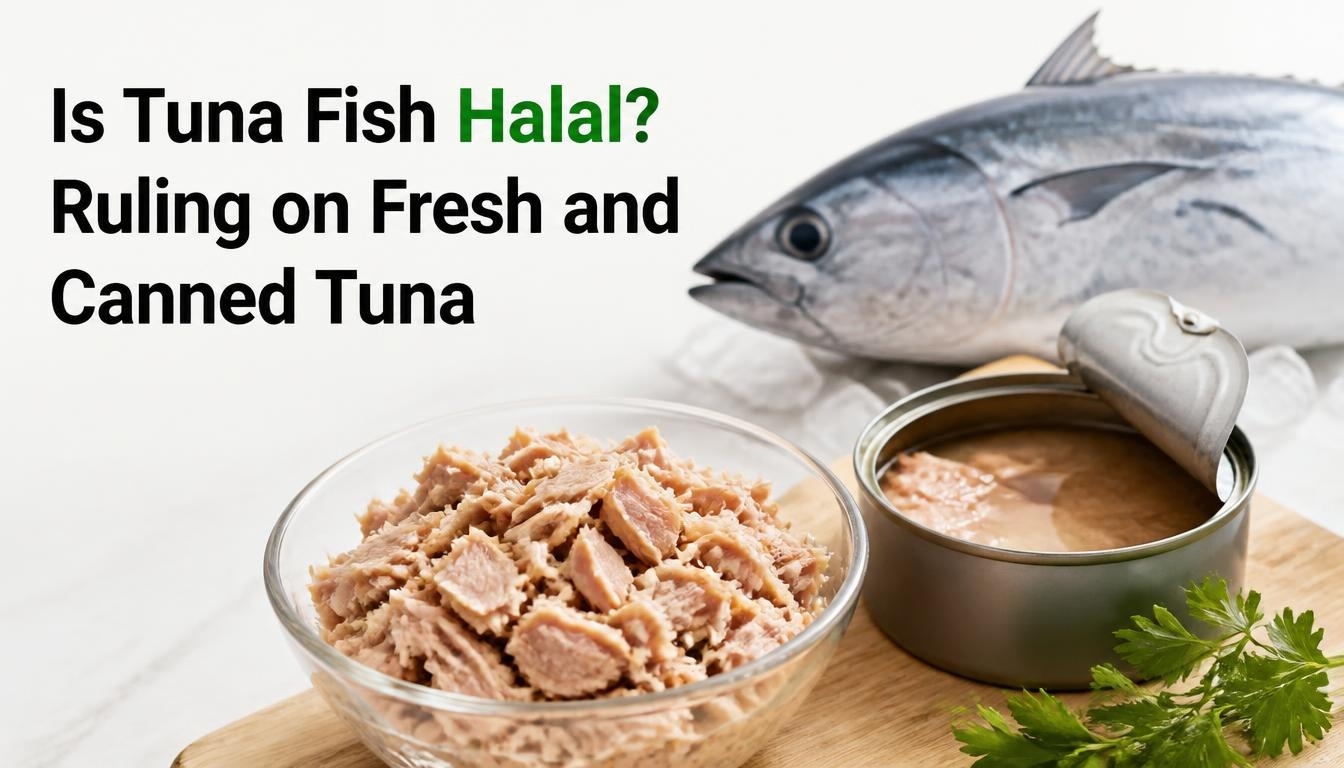
Tuna is one of the most popular fish in the world, and a tin of it sits in almost every Pakistani kitchen. So it is natural to ask: is tuna fish halal? The short answer is yes. Tuna is considered halal in all the major schools of thought, and you do not need to slaughter it the way you would a chicken or a goat. What deserves a closer look is canned tuna, where the oil, broth or sauce inside the tin can sometimes raise questions.
This guide gives you the ruling, the reasoning, and a simple label checklist. It is part of our wider halal fish list, which covers fish and seafood one by one.
Is Tuna Fish Halal? The Short Answer
Yes, tuna fish is halal. This is the answer to both "is tuna halal in Islam?" and the search many people type as "tuna halal or haram." It is halal, not haram.
Why tuna is halal
Surah Al Ma'idah (5:96) permits the game of the sea and its food. The Prophet (peace be upon him) also said the sea's water is pure and its dead is lawful. Because of this, fish do not need ritual slaughter. A tuna that is caught and dies is halal to eat, as long as it is fresh and safe.
What the schools say
Tuna is a true fish with small scales, so scholars do not treat it as a doubtful sea creature like crab or lobster.
• Hanafi, Shafi'i, Maliki and Hanbali: halal.
• Ja'fari: halal, because tuna counts as a scaled fish.
That agreement is why tuna sits in the safe category of our guide, next to salmon. If you are curious about another everyday fish, read is salmon halal.
Is Canned Tuna Halal? What to Check
The tuna itself is halal, so canned tuna is halal in principle. The question is what else is in the tin. Most cans contain only tuna plus water, brine or oil, which is fine. Problems are rare but worth checking, especially with flavoured products.
Water, brine, oil or sauce
• Water or brine: no concern.
• Vegetable, olive or sunflower oil: no concern.
• Flavoured or ready meal tuna: read the label for sauces, stock or seasoning.
Ingredients to watch
• Alcohol based flavourings: some "natural flavours" use alcohol as a carrier.
• Animal derived additives: unusual in tuna, but check the ingredient list if it is long.
• Wine, sake or mirin: sometimes found in marinated or Asian style tuna.
• Halal certification: a trusted halal mark settles the question quickly.
In most cases, plain tuna in water or vegetable oil is a straightforward halal choice. If the label lists only tuna, oil or water, and salt, you can eat it with confidence.
Tuna Types in Pakistan and Eating Tuna Safely
Tuna is caught in the Arabian Sea as well as imported in cans. Common types include skipjack, yellowfin, albacore and bigeye, and they are all halal.
Tuna type | Halal? | Mercury note |
Skipjack (often "light" tuna) | Yes | Generally lower |
Albacore ("white" tuna) | Yes | Moderate |
Yellowfin | Yes | Moderate |
Bigeye and bluefin | Yes | Generally higher |
Halal status is the same for all of them. The difference is mercury, which builds up more in large, long lived tuna. Skipjack is usually the better everyday choice. Children, pregnant women and anyone who eats tuna often should keep portions moderate and vary their fish. For safer options, see our guide to low mercury fish, linked in the FAQ below.
Frequently Asked Questions
Is tuna halal in Islam?
Yes. Tuna is halal in Islam and is accepted in all major schools of thought, including Hanafi, Shafi'i, Maliki, Hanbali and Ja'fari. It is a scaled fish, and fish do not require ritual slaughter. The Quran allows the game of the sea and its food.
Is canned tuna halal?
Yes, in most cases. The tuna is halal, so plain canned tuna in water, brine or vegetable oil is halal. Flavoured or ready made products should be checked for alcohol based flavourings or animal derived additives, and a halal certification mark makes it easy to be sure.
Does the oil or sauce in canned tuna change the ruling?
The fish stays halal, but the oil or sauce can change whether the product is halal. Vegetable, olive and sunflower oil are fine. Sauces, stocks and flavourings need a label check for alcohol or animal derived ingredients, and if you cannot confirm them, choose a plain or certified product.
Is tuna safe to eat often?
Tuna is nutritious, but it can contain mercury, especially larger types such as bigeye and bluefin. Light or skipjack tuna is usually the lower mercury choice, and variety is wise. For safer everyday options, read our guide to low mercury fish.
Conclusion
Is tuna fish halal? Yes. Fresh, frozen and plain canned tuna are all halal in every major school, and the only real checks are the extras in flavoured or ready made cans. Choose skipjack or light tuna for everyday meals, read the label, and look for a halal mark when in doubt.