
Is lobster halal?
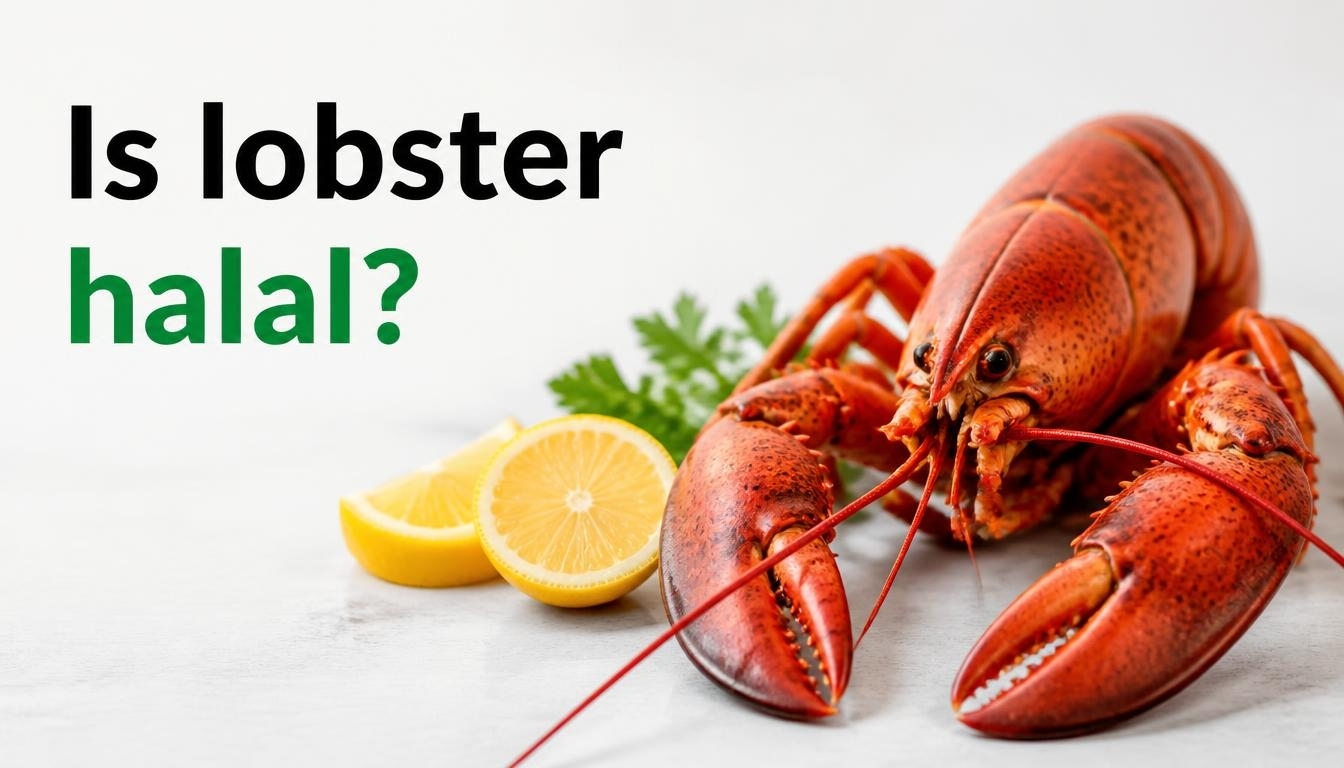
Is Lobster Halal? What the Islamic Schools of Thought Say
Few seafood questions divide opinion like this one: is lobster halal? Ask a Hanafi scholar and a Shafi'i scholar and you may hear different answers, even though both point to the same verse of the Quran. In Pakistan, where most Sunni Muslims follow the Hanafi school, the question comes up at restaurants, weddings and family dinners. This guide gives the short answer, explains why scholars differ and suggests what to do next. It is general information, not a fatwa, so please confirm with a qualified scholar you trust.
Is Lobster Halal? The Short Answer
The honest answer is that it depends on the school of thought you follow. Asking whether lobster is halal or haram has no single answer accepted by every Muslim:
• Most Maliki, Shafi'i and Hanbali scholars consider lobster halal, because it is a creature of the sea.
• Many traditional Hanafi scholars do not consider it permissible, though some contemporary Hanafi scholars take a more permissive view.
• Ja'fari (Shia) scholars generally permit only scaled fish, so lobster is not permitted in that school.
The disagreement comes from the same source text. The Quran (5:96) permits the game of the sea and its food, and another verse (16:14) mentions fresh meat from the sea. A well known hadith also says the sea's dead animals are lawful. Scholars agree on these texts. They differ on whether "the sea" means every sea creature or only fish.
It also helps to separate two questions. The first is whether a sea creature is permitted. The second is whether the food on your plate is free from other problems, such as alcohol in the sauce. A fish can pass the first test and fail the second, so both matter.
What the Different Schools of Thought Say About Lobster
School | General view on lobster |
Hanafi | Traditionally not permissible, though some contemporary scholars allow it |
Maliki | Generally halal |
Shafi'i | Generally halal |
Hanbali | Generally halal |
Ja'fari (Shia) | Not permitted, as only scaled fish are allowed |
Each school also has finer details and exceptions, so treat this table as a starting point, not a ruling.
Is lobster halal in Hanafi fiqh?
Classical Hanafi texts limit permissible sea animals to fish. Under this reading, other sea creatures such as lobster and crab are not permissible, and scholars describe them as either makruh tahrimi (a dislike at the level of prohibition) or haram. Many Hanafi scholars do allow shrimp, treating it as a kind of fish, though not all agree.
That is not the end of the discussion. Some contemporary Hanafi scholars and fatwa bodies argue that the Quranic verse is broad enough to cover all sea life, and they allow lobster. Because most Sunni Muslims in Pakistan are Hanafi, you will hear both views. If you follow the Hanafi school, ask the dar ul ifta or scholar you normally rely on, and follow their guidance.
This is also why Pakistani families sometimes differ at the same table. One cousin may eat prawns and another may not, and both are following a scholar they trust. Respecting that difference is part of good hosting.
Maliki, Shafi'i and Hanbali views
These three schools generally take the verse broadly, so sea creatures are permitted, with a few debated exceptions such as frogs. Lobster falls inside the permitted category for most scholars in these schools. If you are travelling and eat with Muslims from these traditions, you may find lobster served without any concern.
Is Shellfish Halal? Crab, Shrimp and Practical Tips
Crab, shrimp and other shellfish
"Shellfish" covers two groups: crustaceans such as lobster, crab and shrimp, and molluscs such as oysters, clams and mussels. The rulings follow the same split described above. Schools that permit all sea creatures permit shellfish. Many traditional Hanafi scholars permit shrimp but not most other shellfish, and Ja'fari scholars generally allow only scaled fish, with shrimp accepted by many of them.
So are crab and lobster halal? Within each school they are usually given the same ruling, because both are crustaceans that are not fish. If you accept the Hanafi position, you would avoid both. If you follow another school, you would generally permit both.
Molluscs raise their own questions. Oysters, clams and mussels are not fish, so under the traditional Hanafi reading they are generally not permitted, while the schools that allow all sea life permit them. If a dish is listed as a "seafood mix," ask what is in it, because it may combine fish, crustaceans and molluscs.
Before you buy or order
A few habits make this easier in everyday life:
• Know which scholar or school you follow. If you are unsure, ask before the meal, not after.
• Check how it is cooked. Even permitted seafood can become a problem if it is cooked in wine or alcohol based sauces, or on a grill or fryer shared with non halal food.
• Ask about ingredients. Restaurants can tell you what is in a sauce or broth. A polite question is normal.
• Remember that fresh or frozen makes no difference. Whether seafood is sold live, chilled or frozen does not change the school based rulings above.
• Choose fish that every school accepts. Scaled fish such as Rohu and pomfret are generally accepted across the schools. Our guide to the best kinds of fish to eat in Pakistan is a good place to start, and our pomfret fish in Pakistan guide covers one of the most popular choices.
Frequently Asked Questions
1. Is lobster halal or haram?
It depends on the school of thought you follow. Maliki, Shafi'i and Hanbali scholars generally consider lobster halal, while many traditional Hanafi scholars and Ja'fari scholars do not. Some contemporary Hanafi scholars take a more permissive view, so it is best to ask a qualified scholar you trust.
2. What do the different schools of thought say about lobster?
The Maliki, Shafi'i and Hanbali schools generally permit sea creatures, including lobster. The Hanafi school traditionally permits fish and, for many scholars, shrimp, but not other sea creatures such as lobster and crab. The Ja'fari school permits only scaled fish.
3. Is crab halal?
Crab is usually given the same ruling as lobster. It is generally considered halal by Maliki, Shafi'i and Hanbali scholars, and not permissible according to many traditional Hanafi and Ja'fari scholars. Opinions differ, so ask your own scholar.
4. Is shellfish halal?
Shellfish includes crustaceans such as lobster, crab and shrimp, and molluscs such as oysters and mussels. Scholars who permit all sea creatures allow shellfish. Many traditional Hanafi scholars allow shrimp but not most other shellfish, and Ja'fari scholars generally allow only scaled fish.
Conclusion
Is lobster halal? For many Muslims the answer is yes, and for many others, especially those who follow the Hanafi school, the answer is no. Both positions come from careful readings of the same texts, and neither is a reason to look down on the other. Decide which scholar you follow, ask them directly and keep this page for the next time the question comes up. If you are ever unsure at the table, a polite question is better than a guess. If you would like ideas for fish that fit every table, you can explore the guides on Pakistan National Fish, or contact us with a question.