
Haddock vs Cod: Which White Fish Reigns Supreme in 2025?
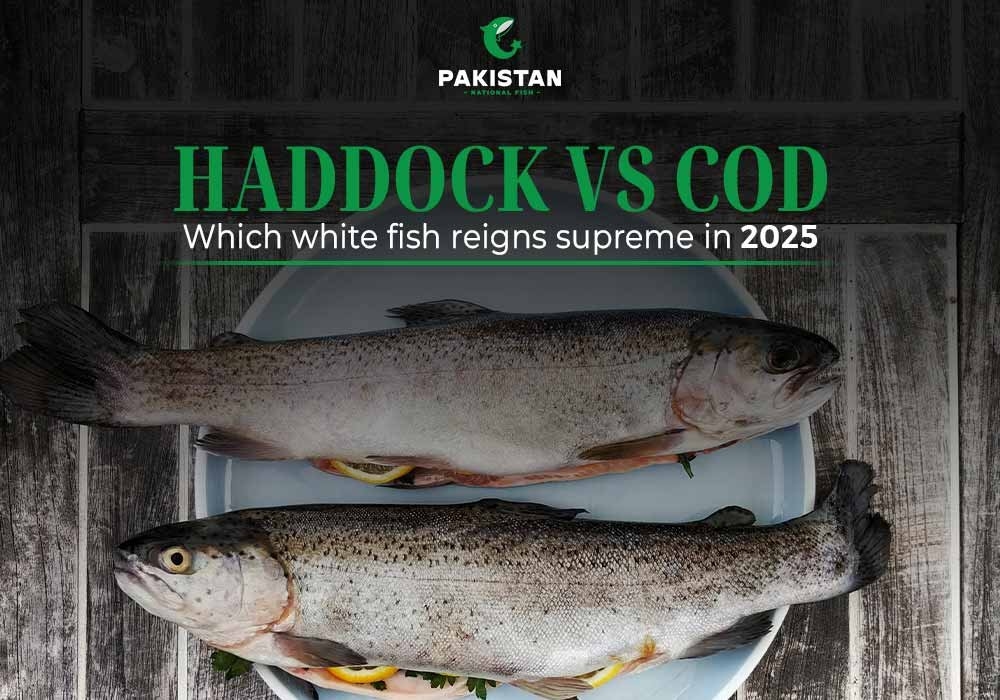
When it comes to
, two names often dominate the conversation: haddock and cod. Both are staples in seafood cuisine, but how do they compare in terms of taste, nutrition, and sustainability? Let's dive into the details.
Quick Review: Haddock vs Cod in 2025
FeatureHaddockCodTasteRich, slightly sweet, more "fishy"Mild, clean, subtleTextureFlaky, tenderFirm, meatyBest ForFrying, fish and chipsGrilling, bakingNutritionHigh protein, low fat, moderate sodiumLower calories, less sodium, more omega-3SustainabilityWidely certified, abundantUnder recovery in some regionsWhere CaughtNorth Atlantic, Georges BankNorth Atlantic, Gulf of MaineFillet Size14–30 inches (avg), up to 44 inchesUp to 51 inches
What Is Haddock Fish?
Haddock (
Melanogrammus aeglefinus
) is a marine fish belonging to the cod family, Gadidae. It's predominantly found in the North Atlantic Ocean, especially around Georges Bank and the Gulf of Maine. Haddock are bottom dwellers, preferring habitats with gravel, pebbles, and hard sand.

Is Haddock Healthy?
Absolutely. A 3.5-ounce (100g) serving of cooked haddock contains:
- Calories: 90
- Protein: 20g
- Fat: 0.6g
- Carbohydrates: 0g
- Omega-3 Fatty Acids: 0.166g
Haddock is also an excellent source of vitamin B12, vitamin B6, selenium, and phosphorus. Its low mercury levels make it a safe choice for regular consumption
Is Cod or Haddock Better?
Both fish have their merits:
- Taste: Haddock offers a richer, slightly sweeter flavor, making it ideal for dishes like fish and chips. Cod has a milder taste, suitable for a variety of preparations.
- Texture: Haddock's flaky texture is perfect for frying, while cod's firmer flesh holds up well to grilling and baking.
- Nutrition: Cod is lower in calories and sodium, with higher levels of omega-3 fatty acids, making it a heart-healthy option.
Where Is Haddock Caught?
Haddock are primarily caught in the North Atlantic Ocean, with significant populations around Georges Bank and the Gulf of Maine. They inhabit depths ranging from 130 to 500 feet and prefer temperatures below 45°F.
Understanding Haddock Species and Size
Haddock typically measure between 14 to 30 inches in length and weigh between 2 to 7 pounds. However, they can grow larger, with some individuals reaching up to 44 inches and nearly 40 pounds.
Fishing for Haddock: Tips for 2025
For those interested in fishing for haddock:
- Best Locations: Georges Bank and the Gulf of Maine are prime spots.
- Depths: Target depths between 130 to 500 feet.
- Bait: Use clams, squid, or cut fish as bait.
- Gear: Medium to heavy tackle is recommended due to the depths and potential size of the catch.
Atlantic Cod Fish: A Brief Overview
Atlantic cod (
Gadus morhua
) is another member of the Gadidae family. Historically abundant, its populations have declined due to overfishing. Efforts are underway to rebuild stocks, with plans aiming for recovery by 2033.
Haddock Fish Fillet: Culinary Uses
Haddock fillets are versatile and can be prepared in various ways:
- Baked: A healthier alternative to frying, baked haddock retains its moisture and flavor.
- Fried: A classic preparation, especially in fish and chips.
- Grilled: While less common, grilling can impart a smoky flavor to the fillets.
For a delicious baked haddock recipe, consider this option:
Sustainability: Choosing the Right Fish
When selecting between haddock and cod, consider sustainability:
- Haddock: Generally considered a sustainable choice, especially when sourced from certified fisheries.
- Cod: Due to past overfishing, some cod populations are still recovering. Ensure your cod is sourced from sustainable fisheries.
What’s the Best Way to Cook Haddock? (Try This Simple Recipe)
Whether you're new to seafood or a seasoned fish lover, haddock is one of the easiest white fish meat options to cook at home. Here's a
quick, delicious, and healthy baked haddock recipe
that brings out the rich flavor of this
unique fish species
.
Baked Lemon Herb Haddock Recipe
Prep TimeCook TimeTotal TimeServings10 minutes15 minutes25 minutes4
Ingredients:
- 4 fresh haddock fish fillets (about 6 oz each)
- 2 tablespoons olive oil
- 2 tablespoons lemon juice (freshly squeezed)
- 1 teaspoon garlic powder
- 1 teaspoon paprika
- 1 teaspoon dried parsley
- ½ teaspoon black pepper
- ½ teaspoon salt
- Optional: lemon zest and lemon wedges for serving
Instructions:
- Preheat oven to 400°F (200°C). Line a baking tray with parchment paper or lightly grease it.
- Rinse and pat dry your haddock fillets. Place them on the baking tray.
- In a small bowl, whisk together olive oil, lemon juice, garlic powder, paprika, parsley, salt, and pepper.
- Brush or spoon the mixture generously over each fillet, making sure to coat them well.
- Bake for 12–15 minutes, or until the fish flakes easily with a fork. Thicker fillets may take slightly longer.
- Serve immediately with lemon wedges, steamed vegetables, or wild rice.
Chef’s Tips:
- You can substitute haddock with wild cod or Atlantic cod fish using the same recipe.
- For a crispy finish, turn on the broiler for the last 2 minutes.
- Perfect for meal prep: refrigerate leftovers for up to 3 days.
Haddock vs Cod: Nutrition Face-Off (Per 100g Cooked, Skinless Fillet)
NutrientHaddockAtlantic Cod FishCalories90 kcal82 kcalProtein20.6 g18 gFat0.6 g0.7 gSaturated Fat0.1 g0.1 gOmega-3 Fatty Acids0.2 g0.2 gCholesterol57 mg43 mgSodium213 mg54 mgPotassium378 mg413 mgCalcium11 mg16 mgIron0.3 mg0.4 mgVitamin B121.2 µg0.9 µgSelenium29.7 µg27.6 µg
Which Fish Wins? Key Takeaways:
- Protein Punch: Haddock packs slightly more protein.
- Lower Sodium: Cod is a better choice for low-sodium diets.
- Heart-Healthy: Both offer similar Omega-3 fatty acids, essential for cardiovascular health.
- Calories & Fat: Very close—both are lean, low-fat options.
- Vitamin B12 & Selenium: Slight edge to Haddock for brain and immune health.
Verdict:
Both haddock and cod are
nutritionally rich, low-calorie white fish meats
perfect for healthy eating. Choose
haddock
if you want a richer flavor and higher protein; go for
cod
if you're watching sodium intake or prefer a milder taste.
Conclusion: Haddock or Cod – Which Fish Deserves a Spot on Your Plate in 2025?
Both haddock and cod have rightfully earned their place as stars of the sea — and your kitchen. Whether you're aiming for sustainable choices, a protein-rich diet, or just a delicious dinner, both white fish meat options deliver exceptional health benefits, versatility, and taste.
If you prefer a mild, flaky texture, Atlantic cod fish might be your favorite. But if you crave something with a slightly stronger flavor and richer protein content, haddock fish fillet is your go-to. They’re both low in fat, quick to cook, and suitable for everything from fish tacos to heart-healthy baked meals.
Understanding the haddock species, their sizes, where haddock is caught, and how to enjoy them responsibly through sustainable fishing helps us make smarter, future-focused food choices.
So, whether you’re fishing for haddock, experimenting with a new cod recipe, or simply choosing between the two at your local market — you now have the full picture. Let your plate reflect your palate and your principles.