
Can Eating Fish Help With Weight Loss?
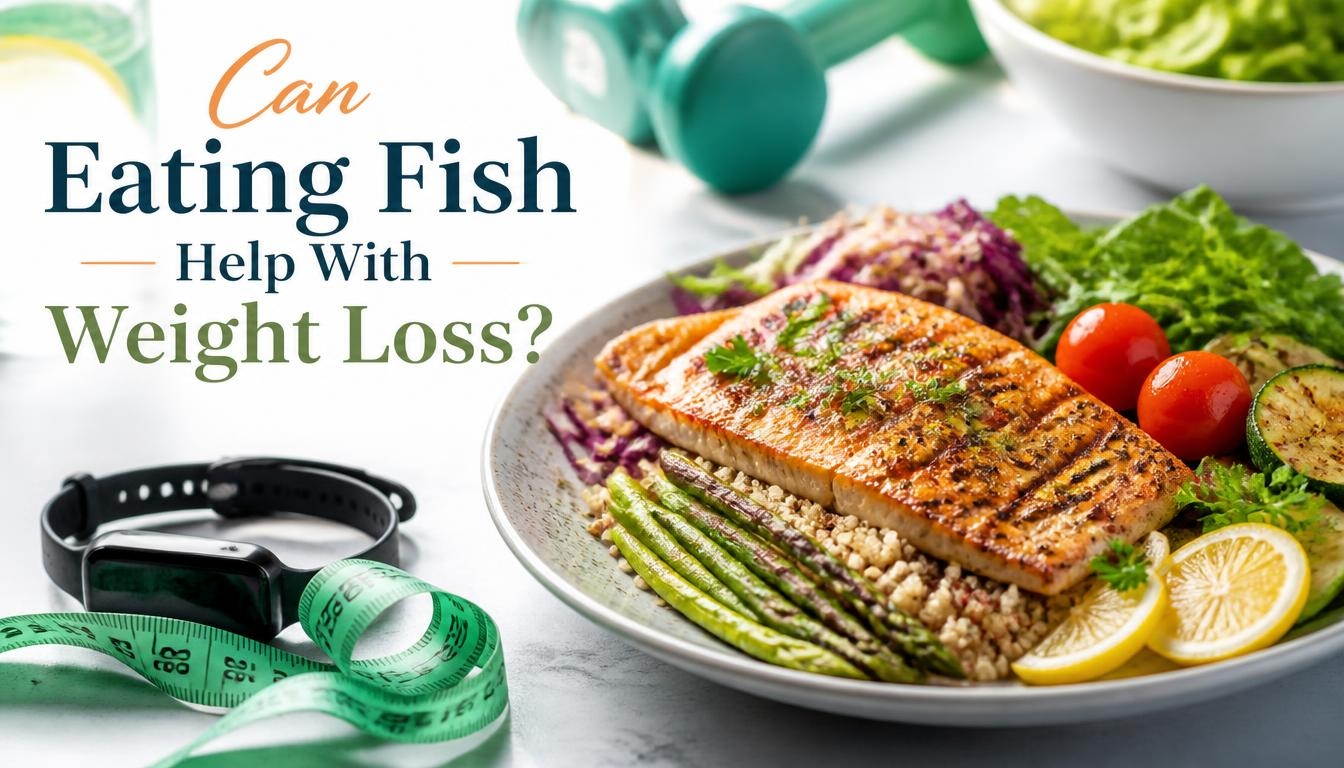
If you're looking at fish as part of a weight loss plan, the short answer is: yes, it can genuinely help but not because any fish has some special fat burning property. Fish supports weight loss the same way other lean proteins do, by helping you feel full on fewer calories, while bringing along nutritional benefits many other protein sources don't. Here's what actually makes fish useful for weight loss, which types work best, how to prepare it, and what the research actually says versus what gets oversold online.
Can Eating Fish Help With Weight Loss? The Short Answer
Yes fish for weight loss works well as part of an overall calorie appropriate diet, though it's not a shortcut or a food that burns fat on its own. Most fish is high in protein and relatively low in calories compared to many other protein sources, which makes it easier to feel satisfied while eating fewer total calories. The benefit comes from what fish helps you do eat less overall while still feeling full rather than any unique metabolic effect.
Why Fish Works Well for Weight Loss
- High protein, high satiety. Protein is the most filling macronutrient per calorie, and most fish delivers 20g or more of protein per 100g serving, helping curb hunger between meals.
- Generally low calorie density. Many popular fish cod, tilapia, halibut are lean and relatively low in calories, meaning you can eat a satisfying portion without a large calorie cost.
- Healthier fat profile. Where fish does contain fat, as in salmon or trout, it's largely unsaturated and includes omega 3 fatty acids, a healthier alternative to the saturated fat found in many other animal proteins.
- Nutrient density. Fish brings vitamin D, B12, iodine, and selenium along with its protein, which isn't directly related to weight loss but supports overall diet quality while cutting calories.
Best Fish for Weight Loss (Lowest Calorie, Highest Protein)
Fish | Calories (100g) | Protein (100g) | Fat (100g) |
Cod | ~105 | ~23g | ~1g |
Tilapia | ~128 | ~26g | ~3g |
Halibut | ~140 | ~27g | ~2.5g |
Tuna (canned in water) | ~116 | ~26g | ~1g |
Salmon | ~208 | ~20g | ~13g |
Cod, tilapia, and canned tuna in water are among the leanest, highest protein options, making them especially efficient choices when the goal is maximizing fullness per calorie. Salmon has notably more calories and fat, but that fat is largely the beneficial omega 3 type a good regular addition to a weight loss diet, just not the lowest calorie option on the list if that's the specific priority.
How to Prepare Fish for Weight Loss (and What to Avoid)
How fish is cooked matters just as much as which fish you choose. Preparation methods that keep the calorie count low and the protein benefit intact include:
- Baking or roasting with minimal oil and herbs or citrus for flavor.
- Grilling, which adds flavor without extra calories from oil or batter.
- Steaming or poaching, especially good for delicate white fish like cod or tilapia.
What tends to undercut fish's weight loss benefits is the preparation, not the fish itself deep frying, heavy breading, and rich cream or butter based sauces can easily double or triple the calorie count of an otherwise lean piece of fish. Portion size also matters as it would with any protein; pairing a reasonable portion of fish with vegetables and whole grains, rather than large starchy sides, tends to support weight loss goals more effectively than the fish choice alone.
Fish and Weight Loss: What the Research Says
Research on protein and satiety generally supports the idea that higher protein meals including those built around fish help people feel fuller and may reduce overall calorie intake across the day compared to lower protein meals of similar calories. Some research has also looked at omega 3 fatty acids in relation to metabolic health markers, though the evidence for omega 3s directly driving fat loss on their own is much weaker than the evidence for protein and satiety.
The honest framing is that fish supports weight loss the way any high protein, moderate calorie food does by making a calorie deficit easier to sustain rather than through any special fat burning mechanism. Claims that specific fish "melt belly fat" or work through some unique metabolic pathway aren't well supported by current research.
FAQ
Is fish good for weight loss?
Yes, fish is generally a good choice for weight loss thanks to its high protein content and relatively low calorie density in many varieties, which can help you feel full while eating fewer total calories.
What is the best fish to eat for weight loss?
Lean, high protein options like cod, tilapia, halibut, and canned tuna in water are among the best choices for weight loss due to their low calorie and fat content relative to their protein content.
How much fish should I eat per week for weight loss?
General dietary guidance often suggests around two servings of fish per week as part of a balanced diet, though exact amounts for weight loss depend on individual calorie and protein needs, which a doctor or dietitian can help determine.
Is fried fish still good for weight loss?
Not as much frying significantly increases the calorie and fat content of fish, often offsetting much of the benefit that makes fish a good weight loss choice in the first place; baked, grilled, or steamed preparations are better suited to weight loss goals.
Does fish burn belly fat?
No single food, including fish, directly burns fat in a specific area of the body; fish supports weight loss as part of an overall calorie appropriate diet, but targeted fat loss from any one food isn't supported by current research.