
Best Lake Fish Species to Know Before You Cast
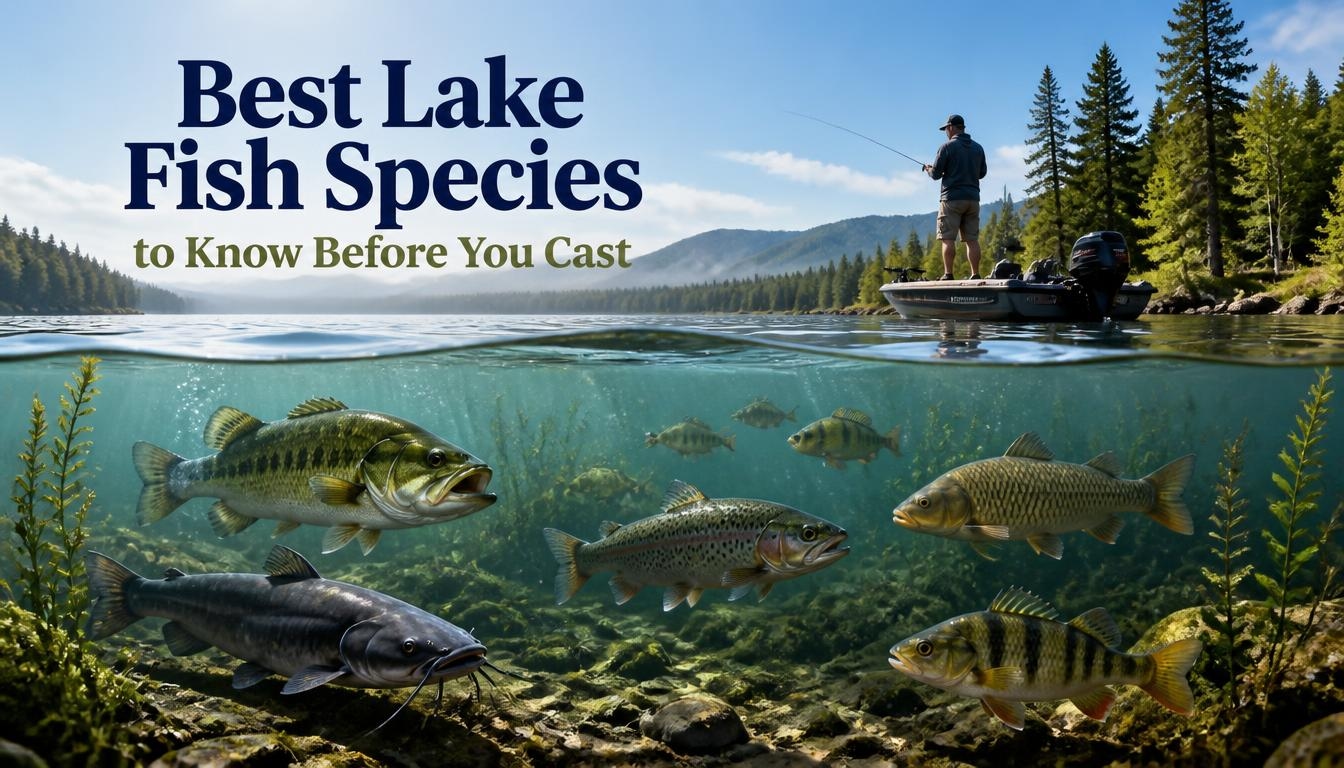
Every lake holds a different mix of fish, and knowing which lake fish you're actually after changes everything the bait you tie on, the depth you fish, and the time of day you show up. This guide covers the most popular lake fish species anglers target worldwide, from classic North American gamefish to the reservoir species common across Pakistan's lakes, along with quick identification tips and the tackle that works best for each.
What Makes a Good Lake Fish to Target
Before picking a species to chase, it helps to know what separates an easy first catch from a species that takes years to master. Beginner friendly lake fish tend to be abundant, aggressive, and forgiving of imperfect technique think bluegill or crappie. Species like muskellunge or trophy lake trout reward patience and specialized gear, but can go hours or days between bites even for skilled anglers.
Largemouth and Smallmouth Bass
Bass are the most targeted lake fish in North America, and for good reason they're aggressive, widespread, and readily hit both live bait and artificial lures. Largemouth bass prefer weedy, warmer, slower moving water and are identified by their large upper jaw extending past the eye. Smallmouth bass favor cooler, rockier lakes and have a jaw that stops roughly level with the eye, along with vertical bars instead of the largemouth's horizontal stripe.
The IGFA all tackle world record largemouth bass stands at 22 lb 4 oz, caught by George Perry in Georgia's Montgomery Lake in 1932 and tied in 2009 a record that has stood for nearly a century. The smallmouth bass record, 11 lb 15 oz, was set in 1955 at Dale Hollow Lake and has similarly gone unbroken for decades.
Walleye
Walleye are prized both as a gamefish and as table fare, identified by their large, glassy, light reflective eyes (which give them strong low light vision) and a white tip on the lower lobe of the tail fin. They favor deeper, cooler water and feed most actively at dawn, dusk, and overnight, making them a favorite target for anglers willing to fish off hours.
Northern Pike and Muskellunge
These two toothy predators are often confused, but a few marks separate them: northern pike have light spots on a dark body and rounded tail lobes, while muskellunge (muskie) have dark spots or bars on a lighter body and pointed tail lobes. Both are ambush predators that hold near weed beds and structure, and both require wire or heavy fluorocarbon leaders their teeth will cut straight through standard fishing line.
Panfish: Bluegill and Crappie
Bluegill and black or white crappie are the easiest lake fish for beginners and kids to catch, making them a common entry point into fishing. Bluegill are small, disc shaped sunfish with a distinctive dark spot near the gill cover, while crappie are slightly larger, silvery, and often caught in schools suspended around submerged brush or docks. Light tackle and simple bait like worms or small jigs are usually enough for both.
Lake Trout, Catfish, and Carp
Lake trout inhabit deep, cold lakes and are identified by pale spots on a dark, forked tail body; they're a popular cold water target in northern reservoirs and glacial lakes. Channel catfish, recognizable by their forked tail and barbels (whiskers), are bottom feeders that respond well to cut bait or stink bait. Common carp, widespread in lakes and reservoirs worldwide, are large, hardy, and increasingly targeted by anglers specifically for their size and fighting strength rather than as an incidental catch.
In Pakistan, lake and reservoir fishing follows a similar pattern with regionally important species: rainbow and brown trout are stocked in cold northern lakes like Saif ul Malook, while major carp species Rohu, Catla, and Mrigal dominate reservoirs such as Tarbela and Mangla, alongside mahseer in select rivers and lakes.
Quick Species Comparison
Species | Typical Weight | Best Habitat | Difficulty |
Largemouth bass | 1–8 lbs (record 22 lb 4 oz) | Weedy, warm shallows | Beginner friendly |
Smallmouth bass | 1–5 lbs (record 11 lb 15 oz) | Rocky, cooler water | Beginner friendly |
Walleye | 1–10 lbs | Deep, cool water | Intermediate |
Northern pike | 2–15 lbs | Weed beds, structure | Intermediate |
Muskellunge | 10–40+ lbs | Weed beds, deep structure | Advanced |
Bluegill | Under 1 lb typically | Shallow, weedy areas | Beginner friendly |
Lake trout | 5–20+ lbs | Deep, cold lakes | Intermediate |
Common carp | 5–30+ lbs | Warm, weedy lakes and reservoirs | Intermediate |
FAQs
What is the easiest lake fish to catch for beginners?
Bluegill and other panfish are widely considered the easiest lake fish for beginners, since they're abundant, aggressive, and easy to catch with simple bait and light tackle.
How do you tell largemouth and smallmouth bass apart?
A largemouth bass's upper jaw extends past its eye and it has a horizontal stripe, while a smallmouth bass's jaw stops near the eye and it shows vertical bars instead.
What time of day is best for catching walleye?
Walleye feed most actively at dawn, dusk, and at night, thanks to their light sensitive eyes, which is why many anglers target them specifically during low light hours.
What's the difference between a pike and a muskie?
Northern pike have light spots on a dark body with rounded tail lobes, while muskellunge have dark spots or bars on a lighter body with pointed tail lobes.
What lake fish are common in Pakistan?
Major carp species like Rohu, Catla, and Mrigal dominate reservoirs such as Tarbela and Mangla, while stocked rainbow and brown trout are popular in cold northern lakes like Saif ul Malook.
What tackle do you need for northern pike or muskie?
Both species have sharp teeth capable of cutting standard fishing line, so a wire or heavy fluorocarbon leader is essential when targeting either species.
Conclusion
Whether you're after an easy first catch like bluegill or working toward a trophy muskie or lake trout, knowing what to expect from each lake fish species how it feeds, where it holds, and what tackle it demands makes the difference between a slow day and a good one. Match your target species to your skill level and the lake you're fishing, and the rest of your setup follows naturally.
For more on the science behind fish populations in lakes and reservoirs, see our guide to What Is Fisheries Science?, or browse our full Fish Species & Guides section.